
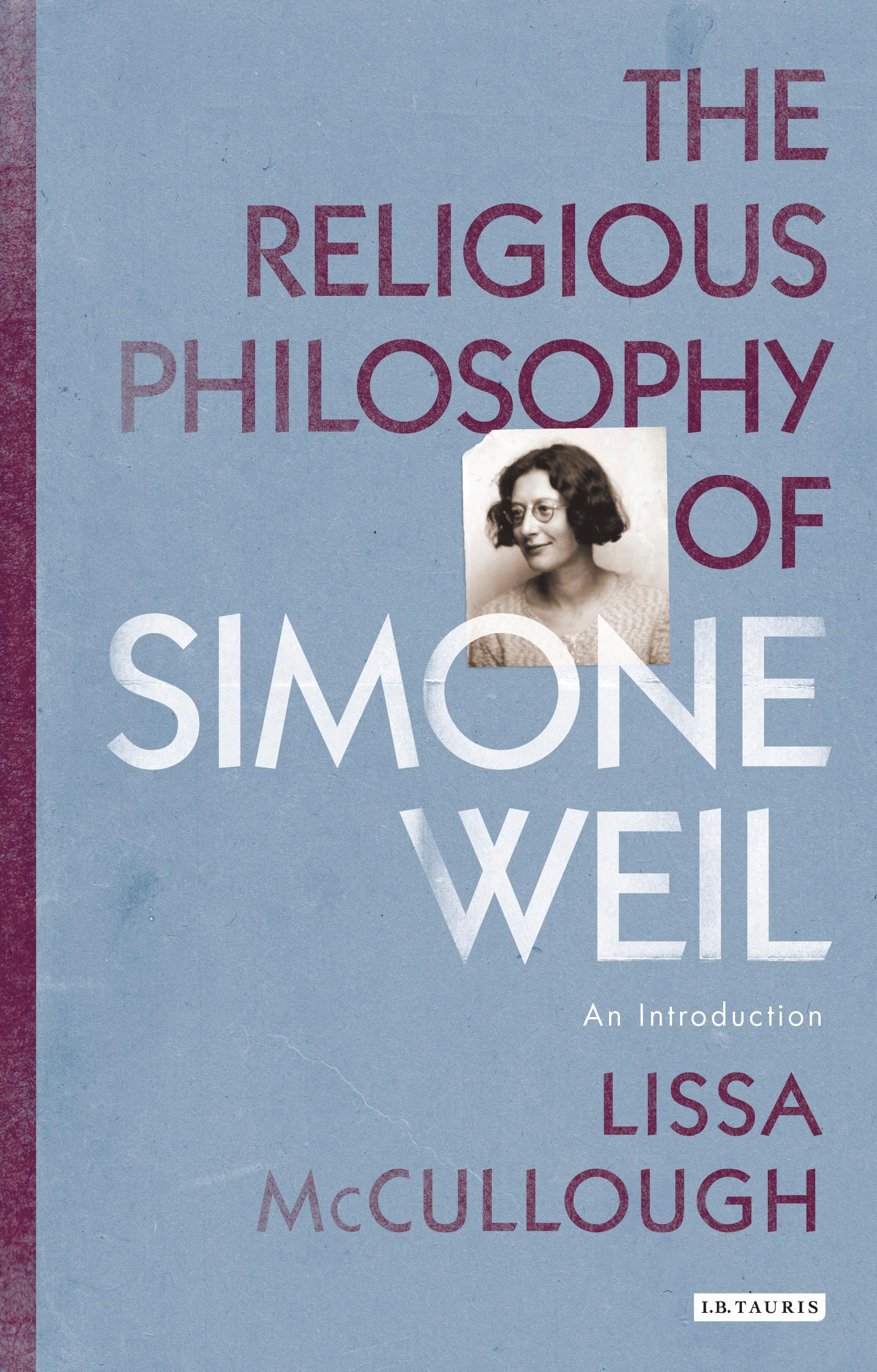
The French philosopher Simone Weil (1909-1943), a contemporary of Simone de Beauvoir and Jean-Paul Sartre, remains in every way a thinker for our times. She was an outsider, in multiple senses, defying the usual religious categories: at once atheistic and religious; mystic and realist; sceptic and believer. She speaks therefore to the complex sensibilities of a rationalist age. Yet despite her continuing relevance, and the attention she attracts from philosophy, cultural studies, feminist studies, spirituality and beyond, Weil's reflections can still be difficult to grasp, since they were expressed in often inscrutable and fragmentary form. Lissa McCullough here offers a reliable guide to the key concepts of Weil's religious philosophy: good and evil, the void, gravity, grace, beauty, suffering and waiting for God. In addressing such distinctively contemporary concerns as depression, loneliness and isolation, and in writing hauntingly of God's voluntary 'nothingness', Weil's existential paradoxes continue to challenge and provoke. This is the first introductory book to show the essential coherence of her enigmatic but remarkable ideas about religion.
Betal nemt med kort, Klarna, Apple Pay eller Google Pay. Ikke tilfreds? Du har altid 14 dages fortrydelsesret. Læs mere i vores vilkår. Har du spørgsmål, så send os en mail på hello@memmo.org.
Memmo gør det nemmere at studere – uanset hvor du er i verden. Hos os samler du dine kursusbøger og smarte studieværktøjer ét sted: resuméer, quizzer, podcasts og flashcards. Og så er der Ted, din studieven, der svarer på alt, du undrer dig over. Over 50 000 studerende studerer allerede her – bygget til at hjælpe dig med at lære hurtigere og stresse mindre.