
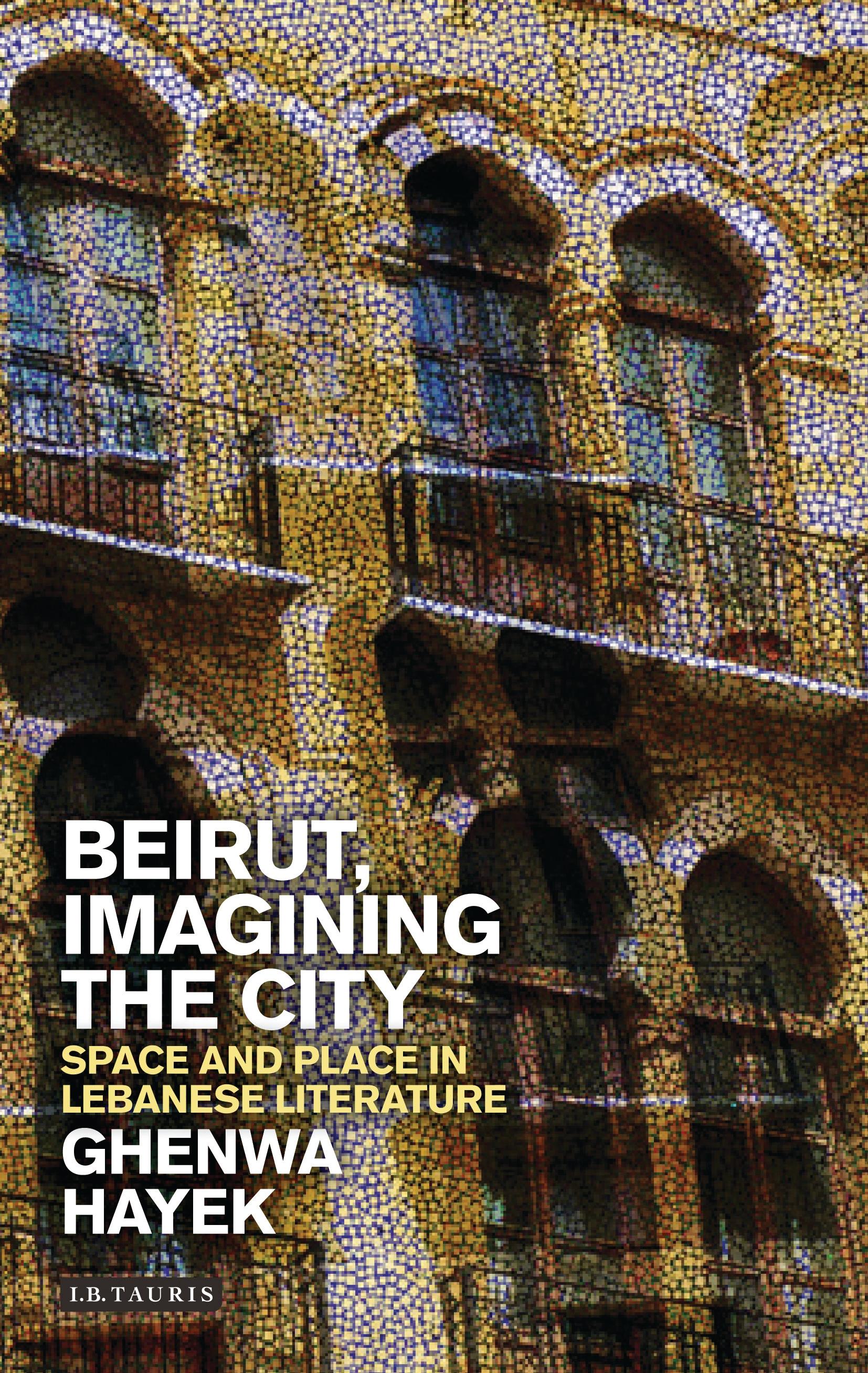
Beirut is the cultural, commercial and economic hub of Lebanon. But to what extent has the city affected and shaped the formation and perceptions of Lebanese national identity? Ghenwa Hayek here explores how anxieties over the past, present and future of Beirut have been articulated through a sense of dislocation present in Lebanese writing since the 1960s. Drawing on theories of cultural studies, geography and history, the author uses an interdisciplinary framework to explore the role that spaces - from rural to urban - have played and continue to play in the defining, and re-defining, of national identity in the seventy years since the creation of the Lebanese nation state. This theoretical perspective coupled with a close reading of little-explored contemporary writings lead Hayek to question the predominant assumption that Lebanese novelists only became engaged in discourses about place identity and individual and social belonging with the start of the fifteen-year civil war and the destruction of Beirut's city centre.
Instead, the book shows that particular geographical imaginaries have been mobilized to describe, question and debate Lebanese identity since the 1960s and that some go back even further into the late nineteenth century. This re-reading calls for a re-evaluation of some of the most predominant assumptions about Lebanon and the processes of Lebanese identity formation across the country's modern history. Examining a wide range of modern and contemporary literature, Hayek charts the rise to cultural prominence of the city of Beirut as a significant player in shaping perceptions of Lebanese culture and identity.
Instead, the book shows that particular geographical imaginaries have been mobilized to describe, question and debate Lebanese identity since the 1960s and that some go back even further into the late nineteenth century. This re-reading calls for a re-evaluation of some of the most predominant assumptions about Lebanon and the processes of Lebanese identity formation across the country's modern history. Examining a wide range of modern and contemporary literature, Hayek charts the rise to cultural prominence of the city of Beirut as a significant player in shaping perceptions of Lebanese culture and identity.
Betal nemt med kort, Klarna, Apple Pay eller Google Pay. Ikke tilfreds? Du har altid 14 dages fortrydelsesret. Læs mere i vores vilkår. Har du spørgsmål, så send os en mail på hello@memmo.org.
Memmo gør det nemmere at studere – uanset hvor du er i verden. Hos os samler du dine kursusbøger og smarte studieværktøjer ét sted: resuméer, quizzer, podcasts og flashcards. Og så er der Ted, din studieven, der svarer på alt, du undrer dig over. Over 50 000 studerende studerer allerede her – bygget til at hjælpe dig med at lære hurtigere og stresse mindre.