
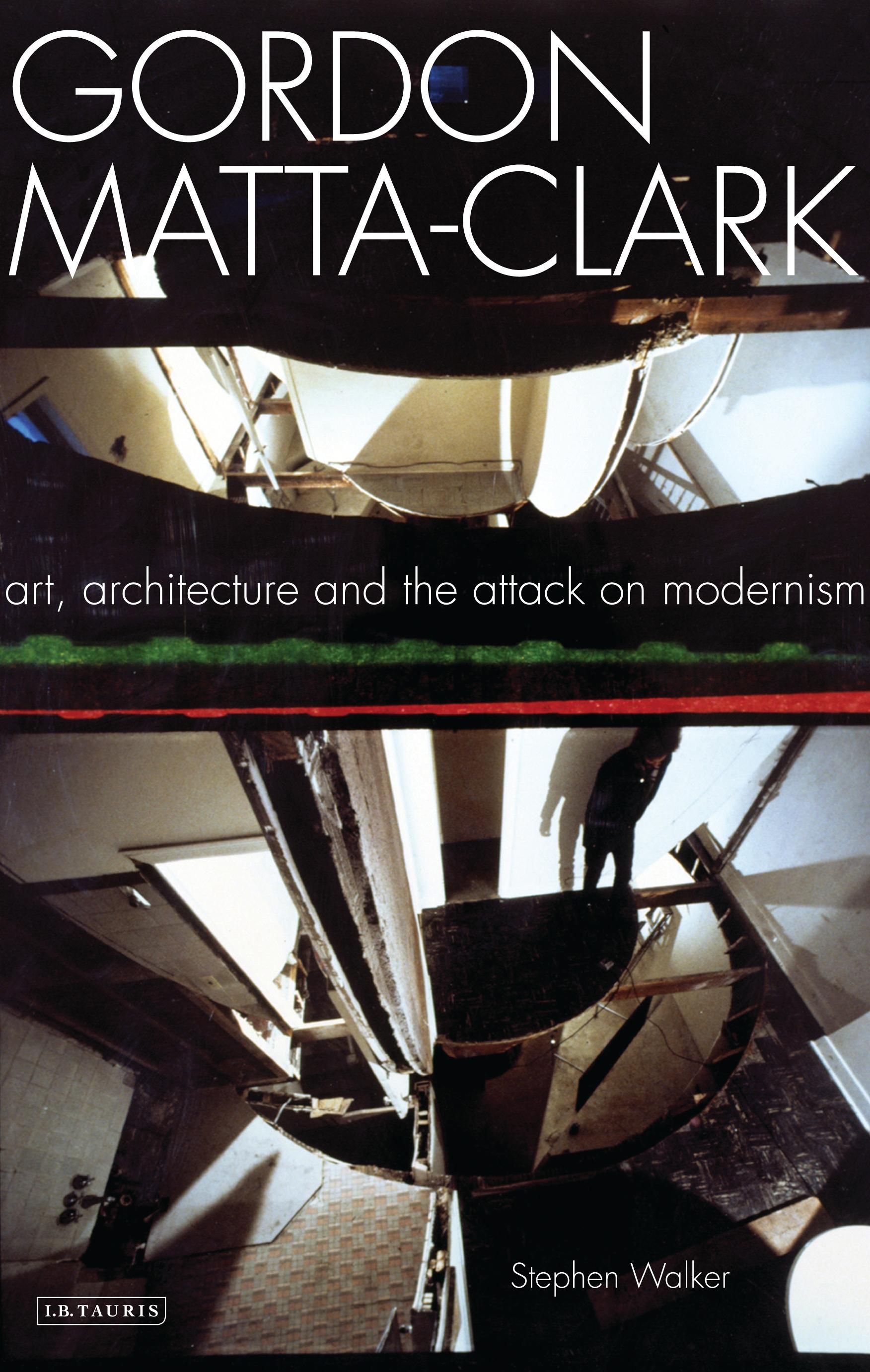
Known for - and even overshadowed by - his brutal and spectacular building cuts, Gordon Matta-Clark's oeuvre is unique in the history of American art. He worked in the 1970s on the boarders between art and architecture and his diverse practice is often understood as an outright rejection of the tenets of high modernism. Stephen Walker argues instead for the artist's ambivalent relationship with the architectural heritage he is often claimed to disavow, thus making this the first book to extrapolate Matta-Clark's thinking beyond its immediate context.Walker considers the broad range of Matta-Clark's ephemeral practice, from montage to actual interventions and from performance art and installation to drawing, film and video. Bringing to the fore the consistent themes and issues explored through this broad range of media, and in particular the complex notion of the 'discreet violation', he reveals the continued relevance of Matta-Clark's artistic and theoretical oeuvre to the reception of artistic and architectural work today.
Betal nemt med kort, Klarna, Apple Pay eller Google Pay. Ikke tilfreds? Du har altid 14 dages fortrydelsesret. Læs mere i vores vilkår. Har du spørgsmål, så send os en mail på hello@memmo.org.
Memmo gør det nemmere at studere – uanset hvor du er i verden. Hos os samler du dine kursusbøger og smarte studieværktøjer ét sted: resuméer, quizzer, podcasts og flashcards. Og så er der Ted, din studieven, der svarer på alt, du undrer dig over. Over 50 000 studerende studerer allerede her – bygget til at hjælpe dig med at lære hurtigere og stresse mindre.