
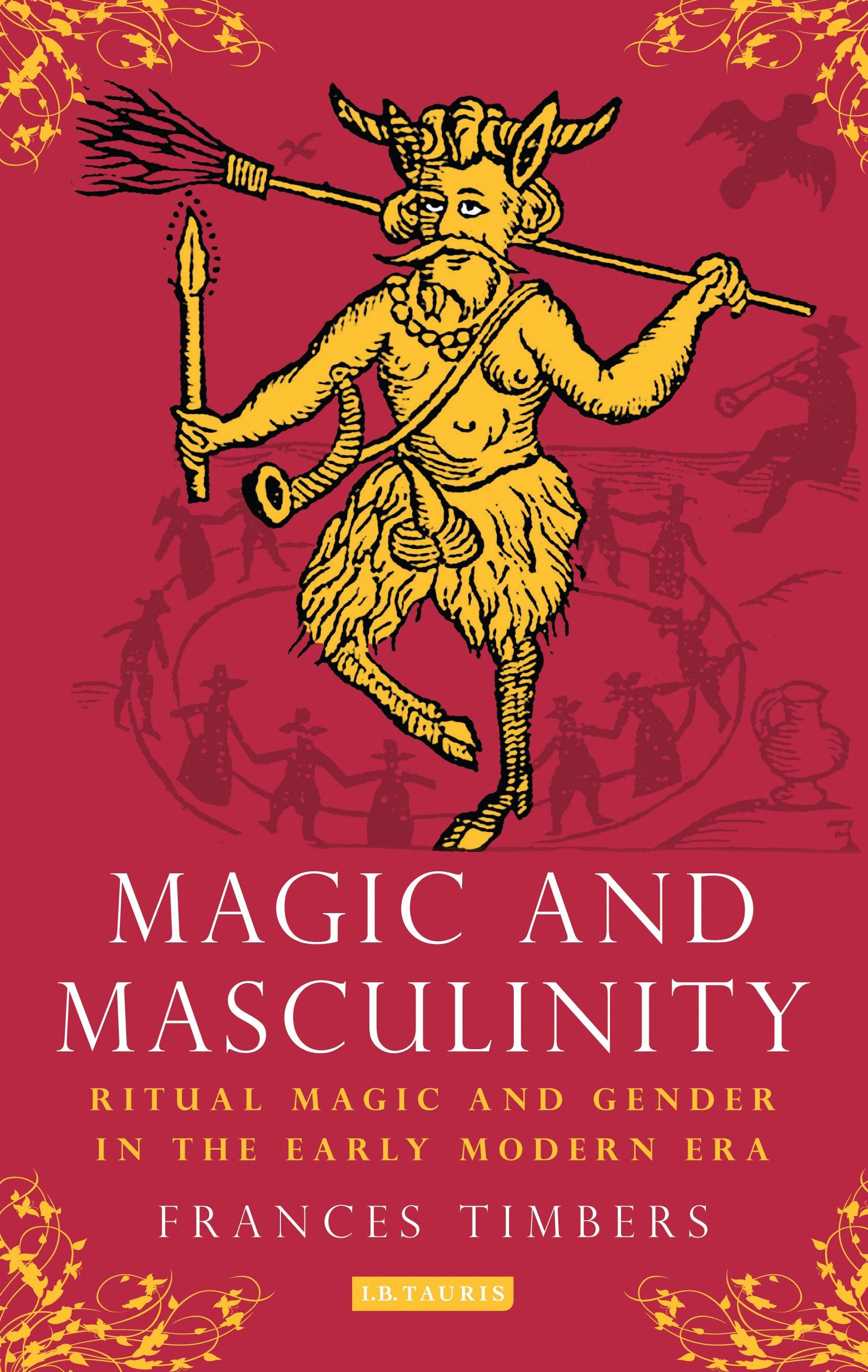
In early modern England, the practice of ritual or ceremonial magic - the attempted communication with angels and demons - both reinforced and subverted existing concepts of gender. The majority of male magicians acted from a position of control and command commensurate with their social position in a patriarchal society; other men, however, used the notion of magic to subvert gender ideals while still aiming to attain hegemony. Whilst women who claimed to perform magic were usually more submissive in their attempted dealings with the spirit world, some female practitioners employed magic to undermine the patriarchal culture and further their own agenda. Frances Timbers studies the practice of ritual magic in the sixteenth and seventeenth centuries focusing especially on gender and sexual perspectives. Using the examples of well-known individuals who set themselves up as magicians (including John Dee, Simon Forman and William Lilly), as well as unpublished diaries and journals, literature and legal records, this book provides a unique analysis of early modern ceremonial magic from a gender perspective.
Betal nemt med kort, Klarna, Apple Pay eller Google Pay. Ikke tilfreds? Du har altid 14 dages fortrydelsesret. Læs mere i vores vilkår. Har du spørgsmål, så send os en mail på hello@memmo.org.
Memmo gør det nemmere at studere – uanset hvor du er i verden. Hos os samler du dine kursusbøger og smarte studieværktøjer ét sted: resuméer, quizzer, podcasts og flashcards. Og så er der Ted, din studieven, der svarer på alt, du undrer dig over. Over 50 000 studerende studerer allerede her – bygget til at hjælpe dig med at lære hurtigere og stresse mindre.