
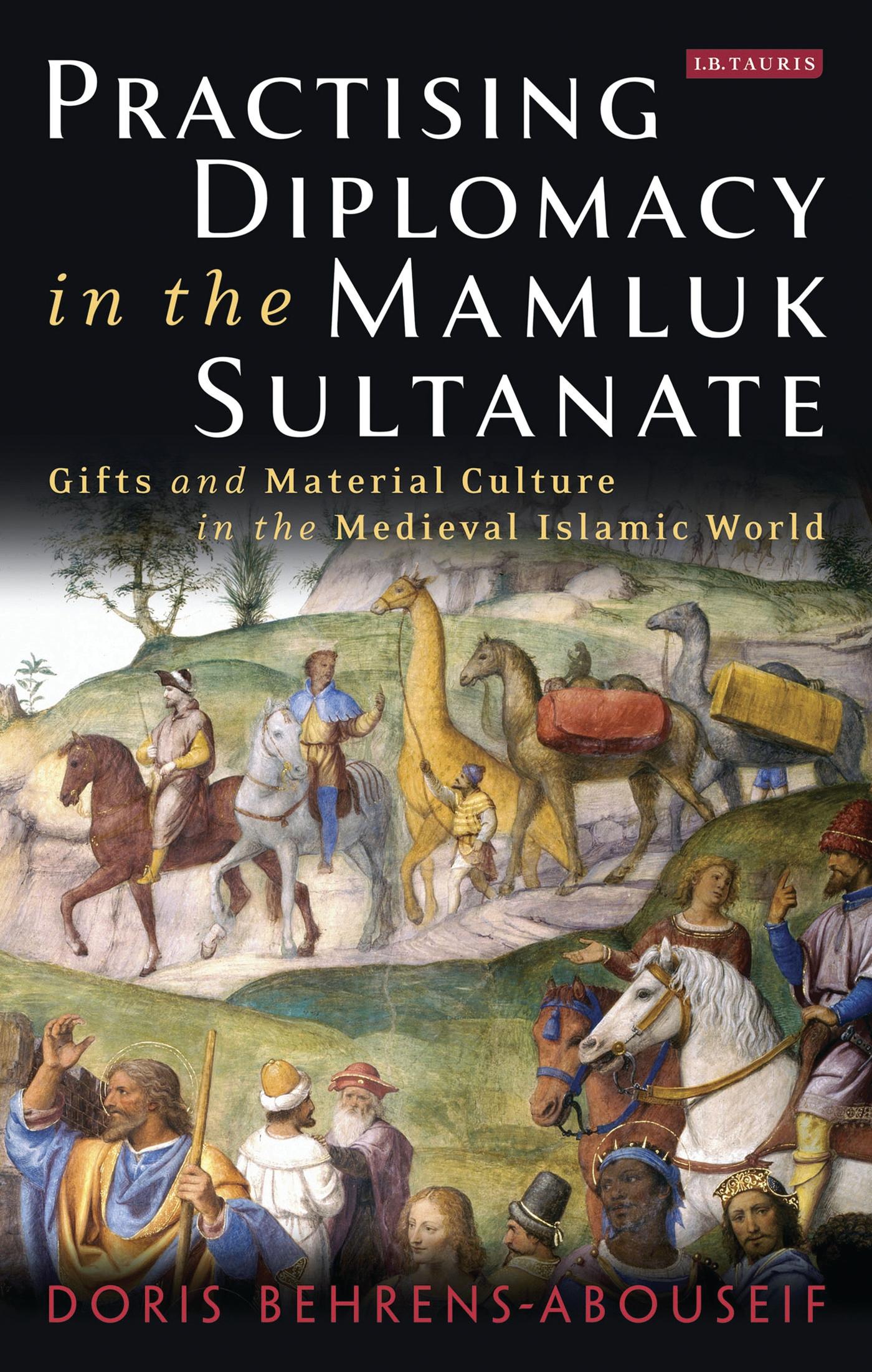
Elaborate and sensational gifts were the hallmark of Mamluk diplomacy. From Cairo, where they controlled the medieval spice trade and the holy sites of Christianity and Islam, the Mamluk Sultans - conscious of their humble slave origins - augmented their claims to legitimacy through brilliant displays of diplomatic gift-giving, creating a celebrated reputation for the Sultanate from Europe to the Far East. From spices, ceremonial textiles and military objects to elephants and giraffes, and even humans - either living or as severed heads - the offerings varied in combination and emphasis according to the status and circumstances of giver and receiver, but always created a sensation. Through an unparalleled study of primary sources and rigorous fieldwork, this original book - richly illustrated in colour - explores the unpredictable and nuanced art of the regal gift in the Mamluk Sultanate from 1250-1517. Doris Behrens-Abouseif not only provides the first study of this subject, but makes an important contribution to the study of diplomacy, economics, visual arts and material culture in the medieval period.
Betal nemt med kort, Klarna, Apple Pay eller Google Pay. Ikke tilfreds? Du har altid 14 dages fortrydelsesret. Læs mere i vores vilkår. Har du spørgsmål, så send os en mail på hello@memmo.org.
Memmo gør det nemmere at studere – uanset hvor du er i verden. Hos os samler du dine kursusbøger og smarte studieværktøjer ét sted: resuméer, quizzer, podcasts og flashcards. Og så er der Ted, din studieven, der svarer på alt, du undrer dig over. Over 50 000 studerende studerer allerede her – bygget til at hjælpe dig med at lære hurtigere og stresse mindre.