
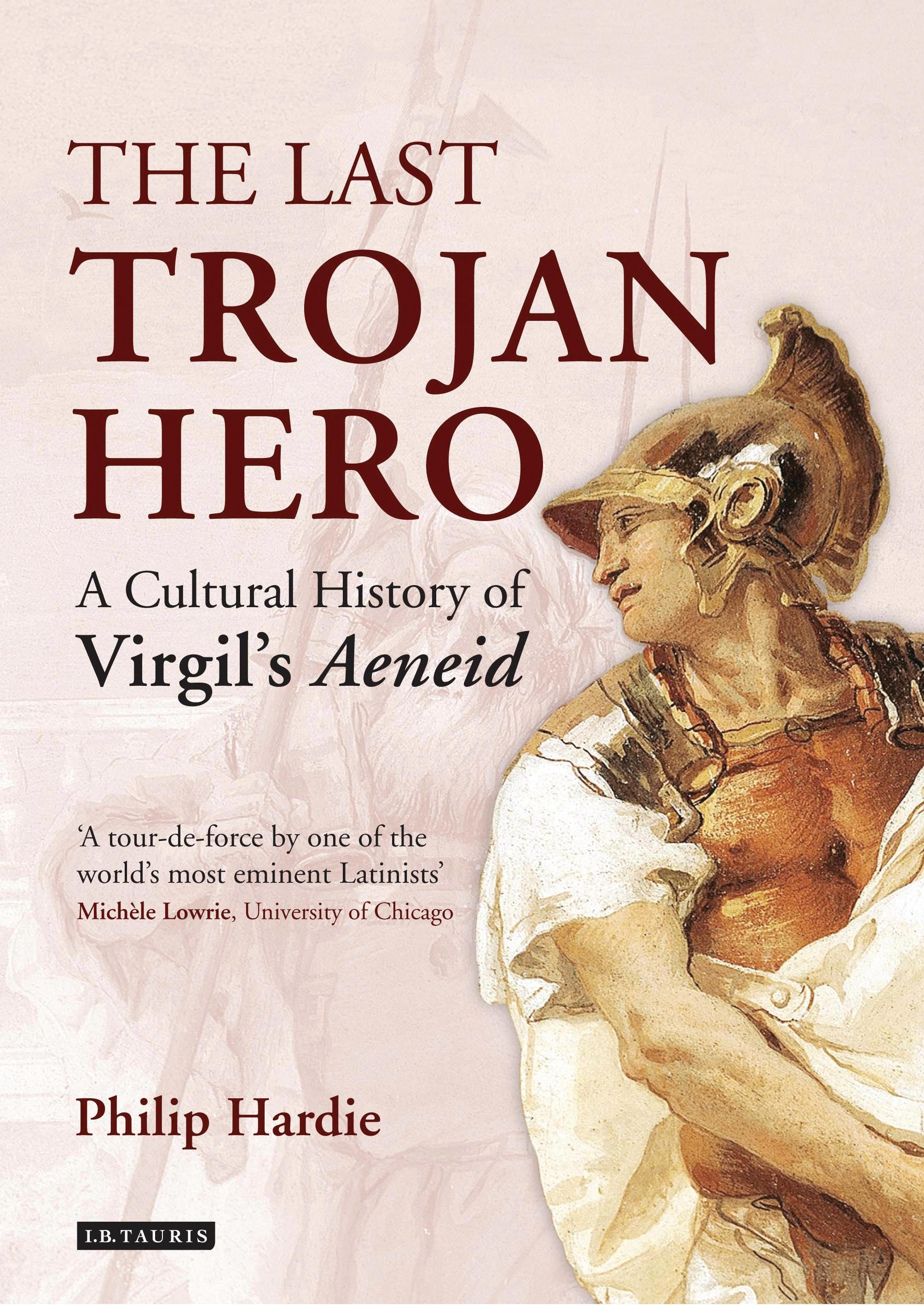
“I sing of arms and of a man: his fate had made him fugitive: he was the first to journey from the coasts of Troy as far as Italy and the Lavinian shores.” The resonant opening lines of Virgil's Aeneid rank among the most famous and consistently recited verses to have been passed down to later ages by antiquity. And after the Odyssey and the Iliad, Virgil's masterpiece is arguably the greatest classical text in the whole of Western literature. This sinuous and richly characterised epic vitally influenced the poetry of Dante, Petrarch and Milton. The doomed love of Dido and Aeneas inspired Purcell, while for T S Eliot Virgil's poem was 'the classic of all Europe'. The poet's stirring tale of a refugee Trojan prince, 'torn from Libyan waves' to found a new homeland in Italy, has provided much fertile material for writings on colonialism and for discourses of ethnic and national identity. The Aeneid has even been viewed as a template and a source of philosophical justification for British and American imperialism and adventurism. In his major new book Philip Hardie explores the many remarkable afterlives - ancient, medieval and modern - of the Aeneid in literature, music, politics, the visual arts and film.
Betal nemt med kort, Klarna, Apple Pay eller Google Pay. Ikke tilfreds? Du har altid 14 dages fortrydelsesret. Læs mere i vores vilkår. Har du spørgsmål, så send os en mail på hello@memmo.org.
Memmo gør det nemmere at studere – uanset hvor du er i verden. Hos os samler du dine kursusbøger og smarte studieværktøjer ét sted: resuméer, quizzer, podcasts og flashcards. Og så er der Ted, din studieven, der svarer på alt, du undrer dig over. Over 50 000 studerende studerer allerede her – bygget til at hjælpe dig med at lære hurtigere og stresse mindre.