
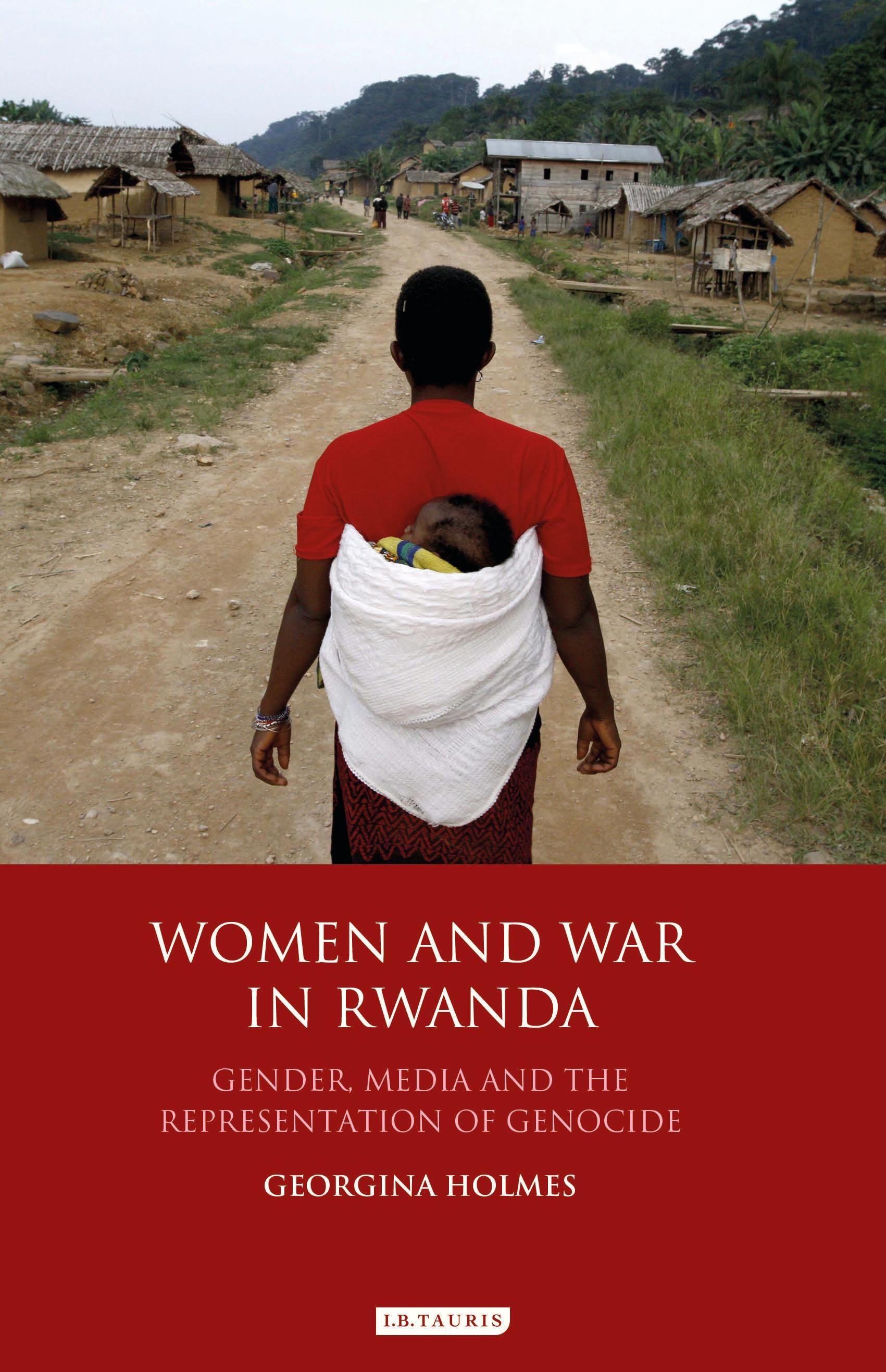
Focusing on television media reporting of the 1994 genocide in Rwanda and its aftermath, this book explores how African states directly involved in conflict, western states with geopolitical interests in Africa's Great Lakes region, militia groups, human rights activists and NGOs use gendered media narratives strategically, often engaging in politics of revisionism and denial, to change the behaviour of other actors in the international system.
Critically analysing BBC documentary films and news features and drawing on interviews with British, Rwandan and Congolese journalists, filmmakers, political commentators and human rights activists Georgina Holmes argues that documentary films and political discussion programmes are postcolonial contact zones, wherein competing actors perform in an attempt to influence international political decision-making on military and humanitarian intervention and public perceptions of genocide and war.
The book breaks new ground in understanding how Rwandan and Congolese women actively engage in producing and shaping international public discourse on genocide and war, despite being depicted as silent, passive victims of conflict. This book is essential reading on the gendered dynamics of media reporting on conflicts and will appeal to anyone with an interest in Feminist Security Studies, Political Communication, Media and Film Studies, African Studies, Genocide Studies and International Relations.
Critically analysing BBC documentary films and news features and drawing on interviews with British, Rwandan and Congolese journalists, filmmakers, political commentators and human rights activists Georgina Holmes argues that documentary films and political discussion programmes are postcolonial contact zones, wherein competing actors perform in an attempt to influence international political decision-making on military and humanitarian intervention and public perceptions of genocide and war.
The book breaks new ground in understanding how Rwandan and Congolese women actively engage in producing and shaping international public discourse on genocide and war, despite being depicted as silent, passive victims of conflict. This book is essential reading on the gendered dynamics of media reporting on conflicts and will appeal to anyone with an interest in Feminist Security Studies, Political Communication, Media and Film Studies, African Studies, Genocide Studies and International Relations.
Betal nemt med kort, Klarna, Apple Pay eller Google Pay. Ikke tilfreds? Du har altid 14 dages fortrydelsesret. Læs mere i vores vilkår. Har du spørgsmål, så send os en mail på hello@memmo.org.
Memmo gør det nemmere at studere – uanset hvor du er i verden. Hos os samler du dine kursusbøger og smarte studieværktøjer ét sted: resuméer, quizzer, podcasts og flashcards. Og så er der Ted, din studieven, der svarer på alt, du undrer dig over. Over 50 000 studerende studerer allerede her – bygget til at hjælpe dig med at lære hurtigere og stresse mindre.