
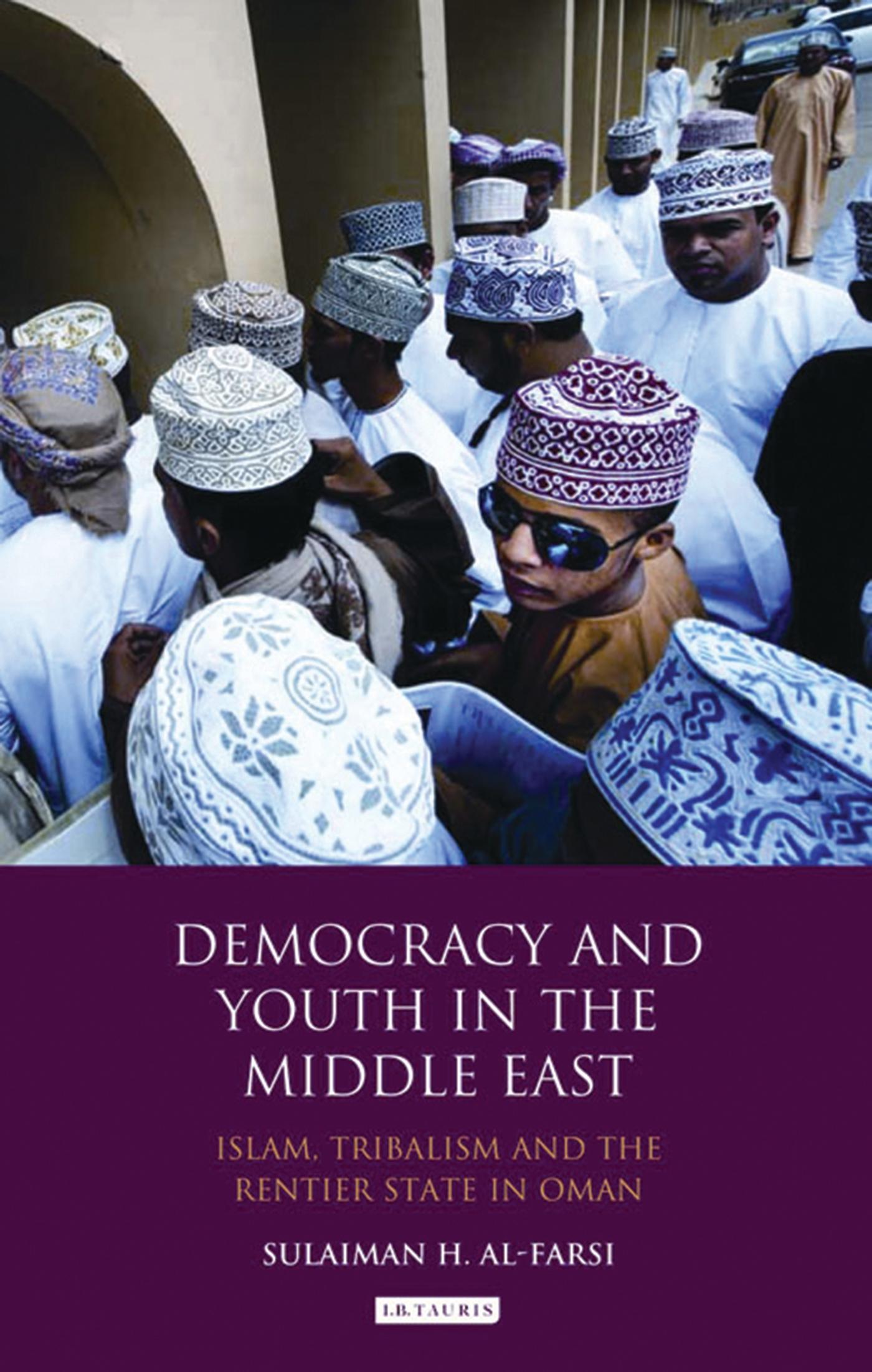
The leaders of the oil-rich rentier states of the Middle East, and in particular in the Gulf, have hitherto often predicated their legitimacy on a tacit social contract with their (much poorer) populations. This social contract consists of little or no direct taxation, with some sort of subsidised living. But the casualty of this tacit agreement is often political participation, an issue which has come to the forefront in the Middle East following the 'Arab Spring' of 2011. Here, Sulaiman Al-Farsi looks at the impact the rentier nature of the Gulf States has on political participation, focusing on the nexus between tribe, religion and a new generation of young, highly educated citizens that is present in Oman. Specifically exploring the concept of shura (consultation), and how nascent concepts of democracy in the practice of shura have impacted and shaped the process of democratisation, Al-Farsi's book is vital in the examination of the political discourse surrounding democratisation across one of the most strategically important, but little understood states in the Middle East.
Betal nemt med kort, Klarna, Apple Pay eller Google Pay. Ikke tilfreds? Du har altid 14 dages fortrydelsesret. Læs mere i vores vilkår. Har du spørgsmål, så send os en mail på hello@memmo.org.
Memmo gør det nemmere at studere – uanset hvor du er i verden. Hos os samler du dine kursusbøger og smarte studieværktøjer ét sted: resuméer, quizzer, podcasts og flashcards. Og så er der Ted, din studieven, der svarer på alt, du undrer dig over. Over 50 000 studerende studerer allerede her – bygget til at hjælpe dig med at lære hurtigere og stresse mindre.