
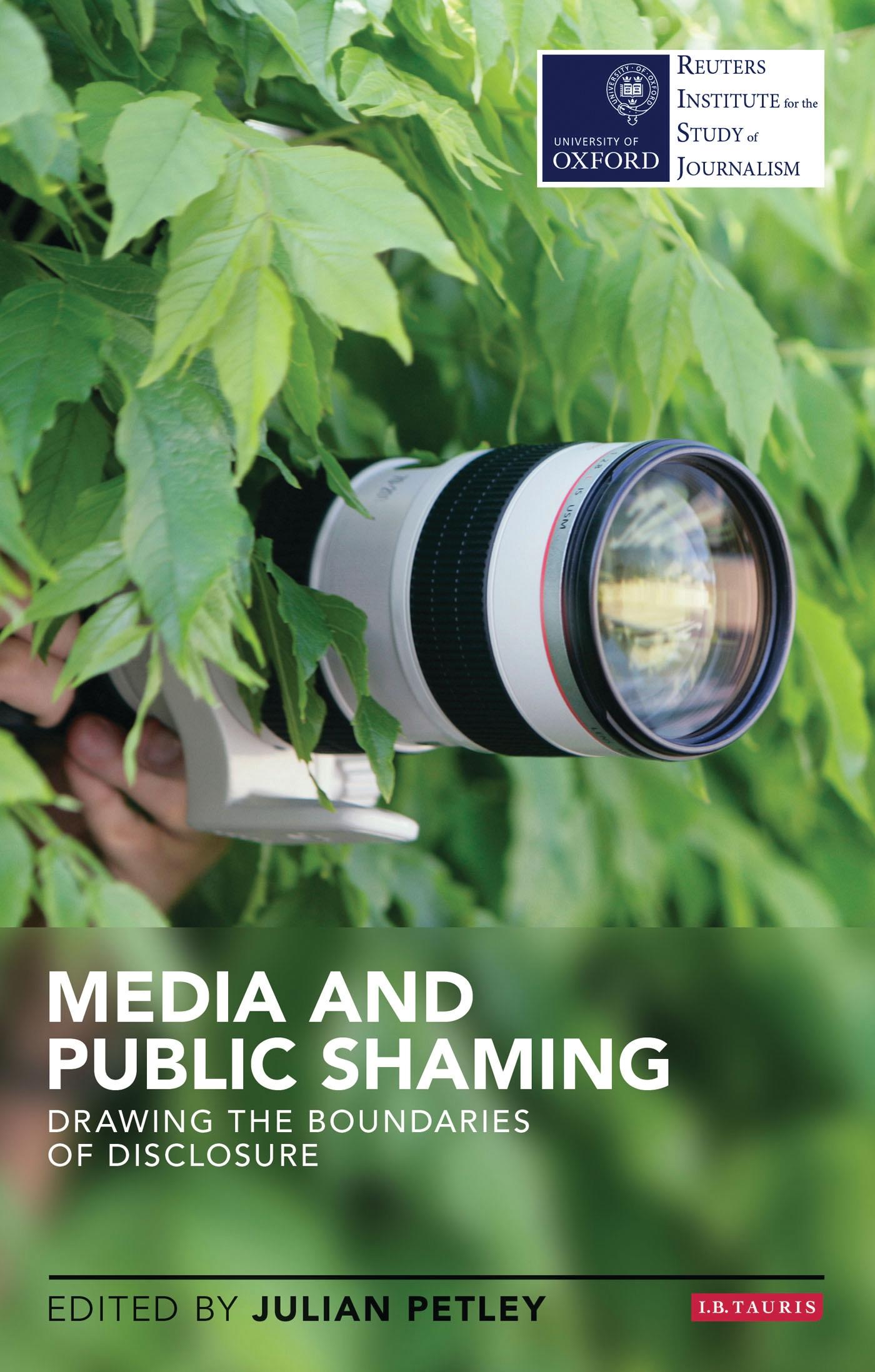
The media today, and especially the national press, are frequently in conflict with people in the public eye, particularly politicians and celebrities, over the disclosure of private information and behaviour. Historically, journalists have argued that 'naming and shaming' serious wrong-doing and behaviour on the part of public officials is justified as being in the public interest. However, when the media spotlight is shone on perfetly legal personal behaviour, family issues and sexual orientation, and when, in particular this involves ordinary people, the question arises of whether such matters are really in the 'public interest' in any meaningful sense of the term. In this book, leading academics, commentators and journalists from a variety of different cultures consider the extent to which the media are entitled to reveal details of people's private lives, the laws and regulations which govern such relations, and whether these are still relevant in the age of social media.
Betal nemt med kort, Klarna, Apple Pay eller Google Pay. Ikke tilfreds? Du har altid 14 dages fortrydelsesret. Læs mere i vores vilkår. Har du spørgsmål, så send os en mail på hello@memmo.org.
Memmo gør det nemmere at studere – uanset hvor du er i verden. Hos os samler du dine kursusbøger og smarte studieværktøjer ét sted: resuméer, quizzer, podcasts og flashcards. Og så er der Ted, din studieven, der svarer på alt, du undrer dig over. Over 50 000 studerende studerer allerede her – bygget til at hjælpe dig med at lære hurtigere og stresse mindre.