
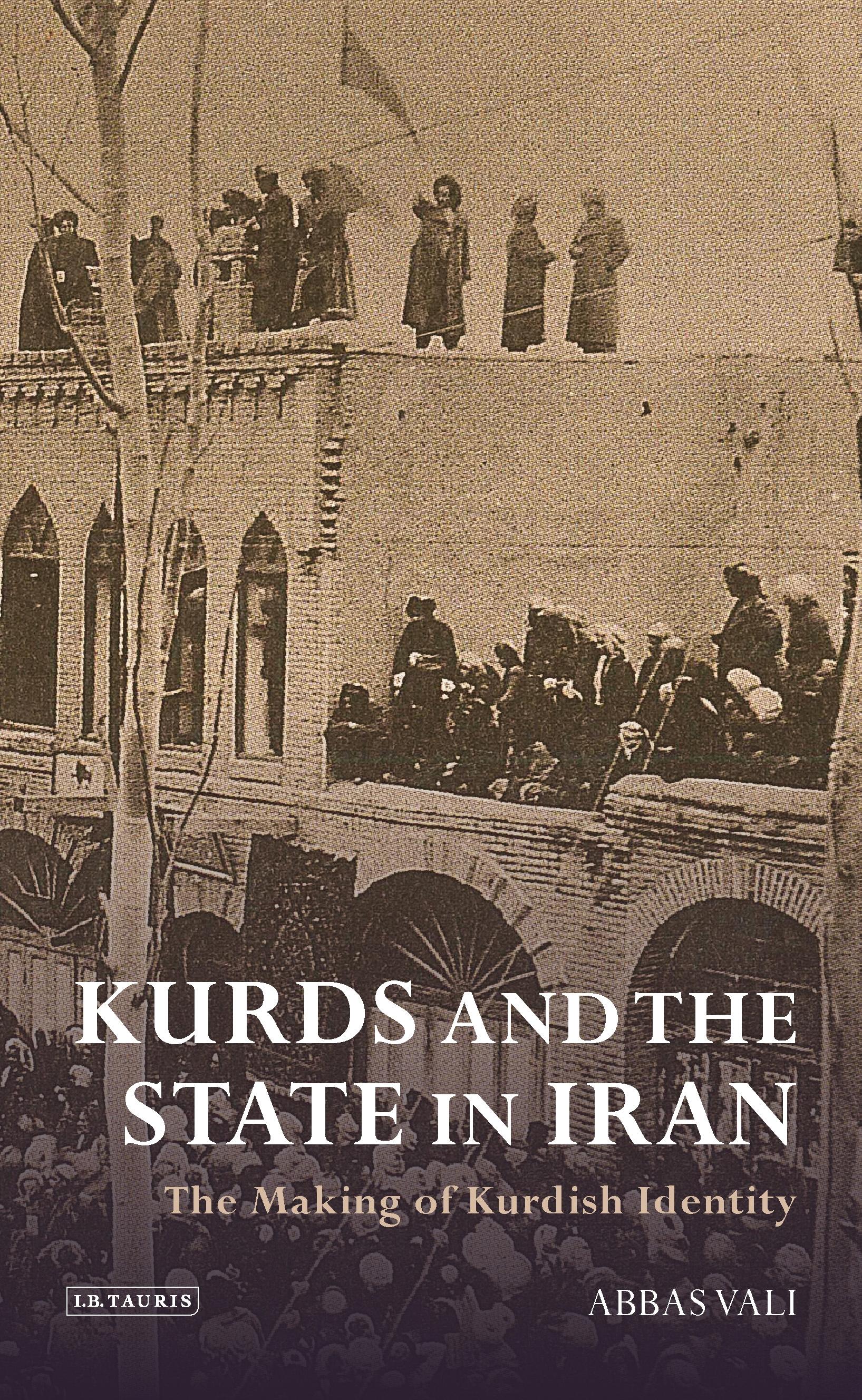
In early 1946, Kurds declared an independent republic in north-west Iran. The Mahabad Republic, as it became known, was the first time that the Kurds experienced self-rule in the modern era. Although short-lived, the Republic had a formative influence on the subsequent development of Kurdish nationalist movements in Iran and the wider region. Here, Abbas Vali disputes the conventional view that the Kurdish Republic was the result of a Soviet conspiracy to dismember Iran, a side-effect of the Cold War. Instead he emphasizes the diversity of the internal Iranian and Kurdish factors that led to the formation of the Republic, arguing that the Republic represents the culmination of a new and modern Kurdish national identity.
This was an identity which emerged in response to the exclusionary effects of the political and discursive processes and practices of the construction of a modern Iranian nation-state and national identity since the Constitutional Revolution of 1906, which often excluded and attempted to override a Kurdish one. Vali contends that this process, largely due to the socio-economic and cultural impact of the rule of Pahlavis, in reality forced the Kurdish people of Iran to form and reinforce their own ethno-linguistic and ethno-national community. The expressions of this separate identity can be traced through the formation and dissolution of Kurdish national parties, such as the Kurdistan Democratic Party of Iran (KDPI).
'Kurds and the State in Iran' offers an analysis of the formation and effects of the concepts of the state, the nation, nationalism and ethnic identity, which go beyond current ethnicist and constructivist theories, thus making it essential reading for anyone interested in the Kurds or the development of national and state identities in the Middle East.
This was an identity which emerged in response to the exclusionary effects of the political and discursive processes and practices of the construction of a modern Iranian nation-state and national identity since the Constitutional Revolution of 1906, which often excluded and attempted to override a Kurdish one. Vali contends that this process, largely due to the socio-economic and cultural impact of the rule of Pahlavis, in reality forced the Kurdish people of Iran to form and reinforce their own ethno-linguistic and ethno-national community. The expressions of this separate identity can be traced through the formation and dissolution of Kurdish national parties, such as the Kurdistan Democratic Party of Iran (KDPI).
'Kurds and the State in Iran' offers an analysis of the formation and effects of the concepts of the state, the nation, nationalism and ethnic identity, which go beyond current ethnicist and constructivist theories, thus making it essential reading for anyone interested in the Kurds or the development of national and state identities in the Middle East.
Betal nemt med kort, Klarna, Apple Pay eller Google Pay. Ikke tilfreds? Du har altid 14 dages fortrydelsesret. Læs mere i vores vilkår. Har du spørgsmål, så send os en mail på hello@memmo.org.
Memmo gør det nemmere at studere – uanset hvor du er i verden. Hos os samler du dine kursusbøger og smarte studieværktøjer ét sted: resuméer, quizzer, podcasts og flashcards. Og så er der Ted, din studieven, der svarer på alt, du undrer dig over. Over 50 000 studerende studerer allerede her – bygget til at hjælpe dig med at lære hurtigere og stresse mindre.