
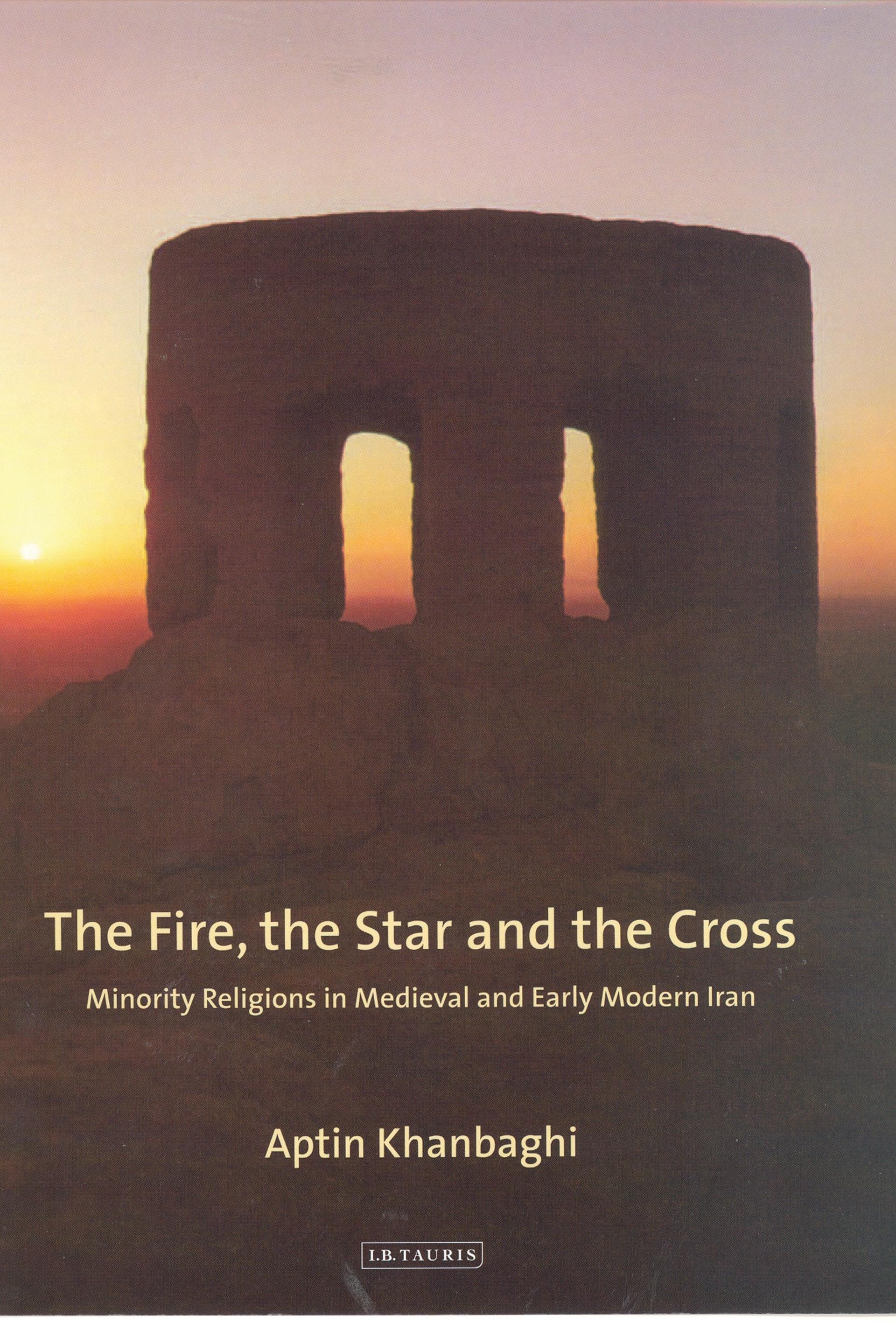
Contemporary political events have generated a strong interest in minorities in the Middle East. Although today the region is mostly identified with Islam, it has been home to many other great cultures, and the civilization of the Islamic world is itself indebted to the various peoples that the Arabs subdued in the 7th and 8th centuries. Far from fading away after the Arab conquest, the inhabitants of the Iranian plateau and of Mesopotamia were central players in the lives of their regions. However, the magnitude of their contribution to the emergence of the early Islamic world has hitherto been neglected. In this fascinating and groundbreaking study, Khanbaghi offers a comprehensive discussion of those groups that resisted assimilation to the new Islamic order yet continued to participate actively in the socio-political life of their homeland. He concentrates on Iran, which due to its complex religious history offers unique opportunities for the study of non-Muslim communities, specifically of Zoroastrians, Jews and Christians.
Aptin Khanbaghi has written an important and fascinating book which aims to present a thorough evaluation of the historical contributions made by religious minorities – Zoroastrians, Jews and Christians – to the societal and cultural physiognomy of the lands of Iran in pre-modern and early modern times. His general perspective and his broad treatment of the topic are quite new, while his use of sources and of the secondary literature is genuinely impressive. The Fire, the Star and the Cross makes a very significant and original contribution to our knowledge and understanding of Iranian history and civilization during an era when the foundations were laid for the emerging modern Iranian state.'
BERT G FRAGNER, Director of the Institute of Iranian Studies,
Austrian Academy of Sciences, Vienna
Aptin Khanbaghi has written an important and fascinating book which aims to present a thorough evaluation of the historical contributions made by religious minorities – Zoroastrians, Jews and Christians – to the societal and cultural physiognomy of the lands of Iran in pre-modern and early modern times. His general perspective and his broad treatment of the topic are quite new, while his use of sources and of the secondary literature is genuinely impressive. The Fire, the Star and the Cross makes a very significant and original contribution to our knowledge and understanding of Iranian history and civilization during an era when the foundations were laid for the emerging modern Iranian state.'
BERT G FRAGNER, Director of the Institute of Iranian Studies,
Austrian Academy of Sciences, Vienna
Sider: 288
Kategori: Religion & Teologi
e-ISBN: 9780857733054
Forsendelsesvægt: 1.2 kg
Sendes inden for: 1-2 dage
Betal nemt med kort, Klarna, Apple Pay eller Google Pay. Ikke tilfreds? Du har altid 14 dages fortrydelsesret. Læs mere i vores vilkår. Har du spørgsmål, så send os en mail på hello@memmo.org.
Memmo gør det nemmere at studere – uanset hvor du er i verden. Hos os samler du dine kursusbøger og smarte studieværktøjer ét sted: resuméer, quizzer, podcasts og flashcards. Og så er der Ted, din studieven, der svarer på alt, du undrer dig over. Over 50 000 studerende studerer allerede her – bygget til at hjælpe dig med at lære hurtigere og stresse mindre.