
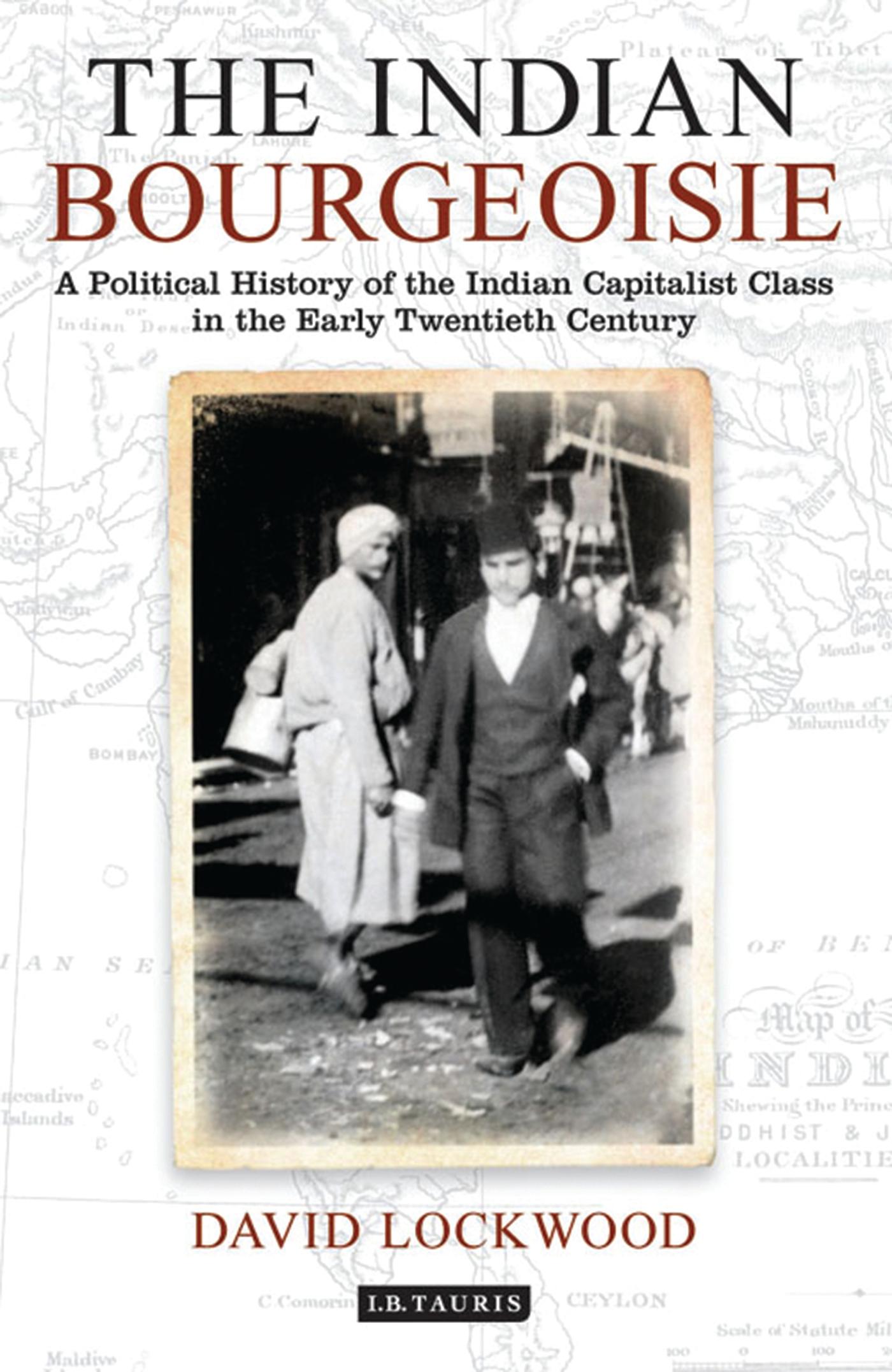
The complex and hard-fought movement for political freedom in India coincided with the rise of a wealthy capitalist class of Indian industrialists who had profited under British rule. By 1947, these prominent businessmen had forged a partnership with the socialist-led Indian National Congress, and supported Jawaharlal Nehru's implementation of a centrally-planned economy. In this political history of modern India, David Lockwood traces the roots of this capitalist class, concentrated in Bombay, Calcutta and the west Bengal coal mining region, and examines British economic policy in the nineteenth century. Indian capitalists, such as J.R.D Tata of Tata Steel, established powerful relationships with domestic governments throughout the period, holding indigenous industrial conferences and supporting the swadeshi movement which aimed to promote Indian-manufactured goods. The Indian Bourgeoisie is a unique and important contribution to the lively debate on the role of India's capitalists during the Raj and throughout the early years of independence.
Betal nemt med kort, Klarna, Apple Pay eller Google Pay. Ikke tilfreds? Du har altid 14 dages fortrydelsesret. Læs mere i vores vilkår. Har du spørgsmål, så send os en mail på hello@memmo.org.
Memmo gør det nemmere at studere – uanset hvor du er i verden. Hos os samler du dine kursusbøger og smarte studieværktøjer ét sted: resuméer, quizzer, podcasts og flashcards. Og så er der Ted, din studieven, der svarer på alt, du undrer dig over. Over 50 000 studerende studerer allerede her – bygget til at hjælpe dig med at lære hurtigere og stresse mindre.