
I.B.Tauris in association with the Institute of Ismaili Studies
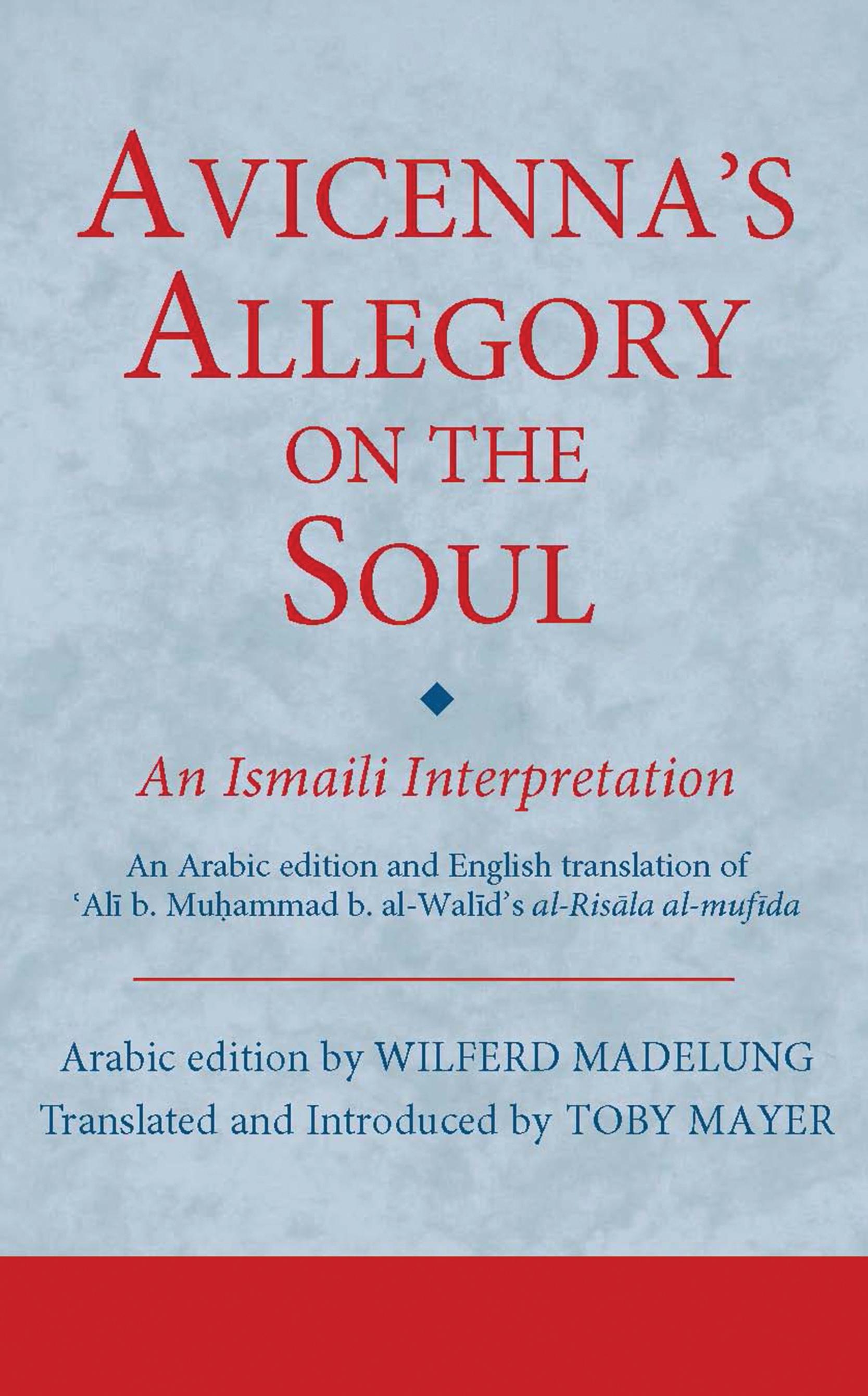
The Persian philosopher Ibn Sina (d. 1037), known in Europe as Avicenna, was arguably the greatest master of Aristotelian thought in the Muslim world. The symbolical Poem on the Soul (Qasidat al-nafs), which portrays all earthly human souls as in temporary exile from heaven, is traditionally attributed to Avicenna, and was received with enthusiasm by its commentators. A highly significant commentary on the Qasida was written by ?Ali b. Muhammad b. al-Walid (d. 1215 CE), a major early representative of the Tayyibi Ismaili tradition, which emerged and flourished in medieval Yemen. In his view, the poem encapsulated Tayyibi beliefs, whose doctrines bear striking parallels with late antique Gnosticism. Avicenna s Allegory on the Soul presents the first edition of the Arabic text of Ibn al-Walid s commentary, The Useful Epistle (al-Risala al-mufida), alongside an English translation and extended introduction. It offers invaluable insight into the intricacies of Muslim thought and a deeper understanding of Avicenna s substantial intellectual legacy."
The Persian philosopher Ibn Sina (d. 1037), known in Europe as Avicenna, was arguably the greatest master of Aristotelian thought in the Muslim world. The symbolical Poem on the Soul (Qasidat al-nafs), which portrays all earthly human souls as in temporary exile from heaven, is traditionally attributed to Avicenna, and was received with enthusiasm by its commentators. A highly significant commentary on the Qasida was written by ?Ali b. Muhammad b. al-Walid (d. 1215 CE), a major early representative of the Tayyibi Ismaili tradition, which emerged and flourished in medieval Yemen. In his view, the poem encapsulated Tayyibi beliefs, whose doctrines bear striking parallels with late antique Gnosticism. Avicenna s Allegory on the Soul presents the first edition of the Arabic text of Ibn al-Walid s commentary, The Useful Epistle (al-Risala al-mufida), alongside an English translation and extended introduction. It offers invaluable insight into the intricacies of Muslim thought and a deeper understanding of Avicenna s substantial intellectual legacy."
Betal nemt med kort, Klarna, Apple Pay eller Google Pay. Ikke tilfreds? Du har altid 14 dages fortrydelsesret. Læs mere i vores vilkår. Har du spørgsmål, så send os en mail på hello@memmo.org.
Memmo gør det nemmere at studere – uanset hvor du er i verden. Hos os samler du dine kursusbøger og smarte studieværktøjer ét sted: resuméer, quizzer, podcasts og flashcards. Og så er der Ted, din studieven, der svarer på alt, du undrer dig over. Over 50 000 studerende studerer allerede her – bygget til at hjælpe dig med at lære hurtigere og stresse mindre.