
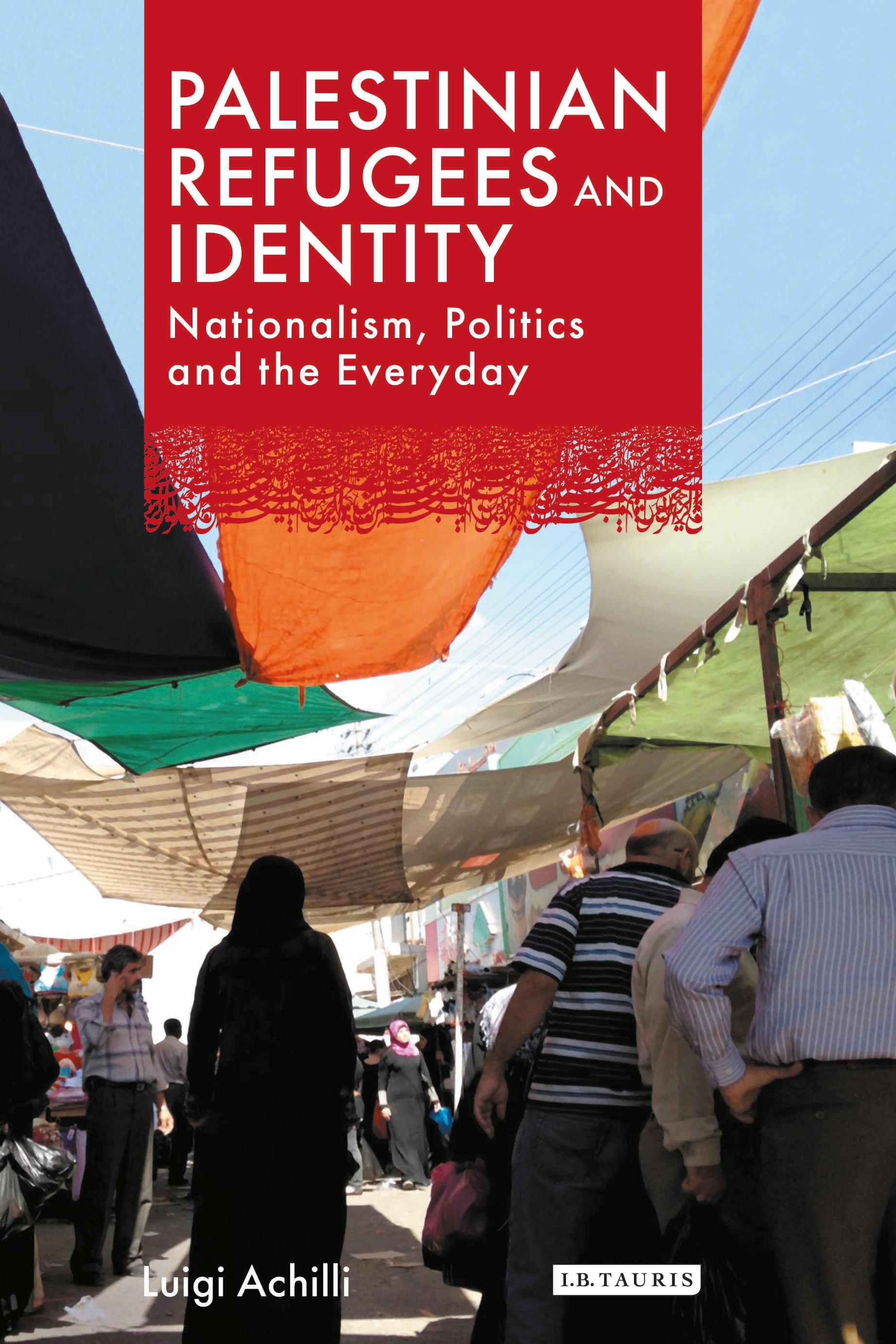
After the creation of the State of Israel in 1948, Palestinian refugees fled over the border into Jordan, which in 1950 formally annexed the West Bank. In the wake of the 1967 War, another wave of Palestinians sought refuge in the Hashemite kingdom. Today, 42 per cent of registered Palestinian refugees live in Jordan. As a result of this historical context, one might expect Palestinian refugee camps to be highly politicised spaces. Yet Luigi Achilli argues in this book that there is in fact a relative absence of political activity. Instead, what is prevalent is a desire to live an 'ordinary life'. It is within the framework of the performing and creating everyday life – working, praying, relaxing, watching football matches, surfing the internet, or idling in barber shops – that Achilli examines nationalism and identity.
Palestinian refugees have been traditionally depicted by the Western media as inherently political beings, ready to fight and resist all attempts to quash their nationalist struggle. But except for occasional political demonstrations and events, neither the political turmoil in Gaza and the West Bank, nor the uprisings throughout the Middle East of 2011, have roused refugees out of what they described as the ordinary course of daily life in the camp. Achilli argues instead that refugee daily life in many ways revolves around the practice of suspending the political.
The performative and reiterative dimensions of ordinary activities have not, however, precluded refugees from feeling an affinity for many of the meanings, ideals, and values of Palestinian nationalism. Achilli holds that it is through the desire for an 'ordinary life' that these Palestinian refugees are able to assert their own meanings and understandings of national identity against the more inflexible interpretations provided by the political systems in Gaza and the West Bank. Examining the concepts of 'everyday' Islam as well as the construction of masculine identity in the camps, Achilli offers vital analysis of the complexities and ambiguities of camp-dwellers' experience of the political in ordinary times.
Palestinian refugees have been traditionally depicted by the Western media as inherently political beings, ready to fight and resist all attempts to quash their nationalist struggle. But except for occasional political demonstrations and events, neither the political turmoil in Gaza and the West Bank, nor the uprisings throughout the Middle East of 2011, have roused refugees out of what they described as the ordinary course of daily life in the camp. Achilli argues instead that refugee daily life in many ways revolves around the practice of suspending the political.
The performative and reiterative dimensions of ordinary activities have not, however, precluded refugees from feeling an affinity for many of the meanings, ideals, and values of Palestinian nationalism. Achilli holds that it is through the desire for an 'ordinary life' that these Palestinian refugees are able to assert their own meanings and understandings of national identity against the more inflexible interpretations provided by the political systems in Gaza and the West Bank. Examining the concepts of 'everyday' Islam as well as the construction of masculine identity in the camps, Achilli offers vital analysis of the complexities and ambiguities of camp-dwellers' experience of the political in ordinary times.
Betal nemt med kort, Klarna, Apple Pay eller Google Pay. Ikke tilfreds? Du har altid 14 dages fortrydelsesret. Læs mere i vores vilkår. Har du spørgsmål, så send os en mail på hello@memmo.org.
Memmo gør det nemmere at studere – uanset hvor du er i verden. Hos os samler du dine kursusbøger og smarte studieværktøjer ét sted: resuméer, quizzer, podcasts og flashcards. Og så er der Ted, din studieven, der svarer på alt, du undrer dig over. Over 50 000 studerende studerer allerede her – bygget til at hjælpe dig med at lære hurtigere og stresse mindre.