
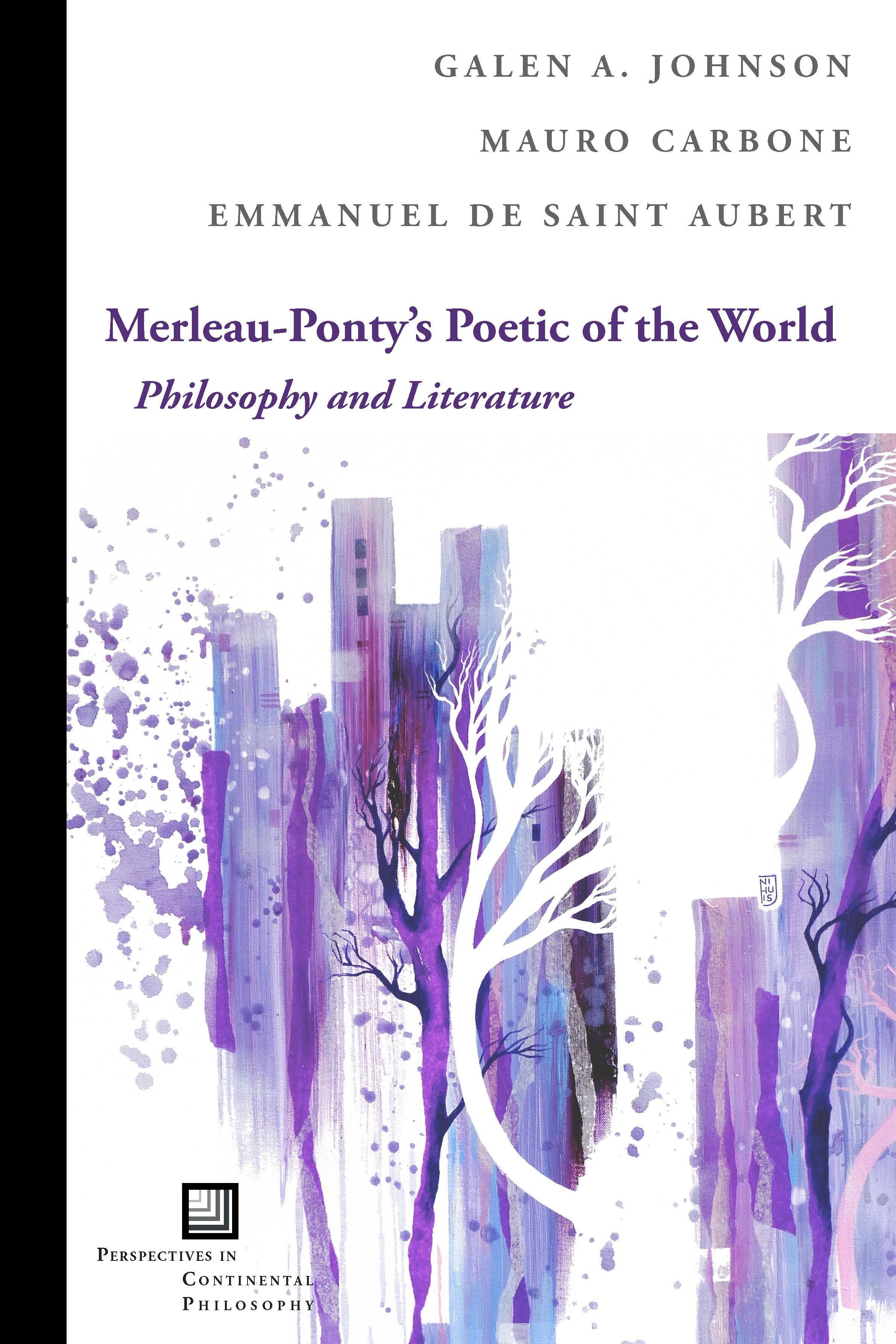
Merleau-Ponty has long been known as one of the most important philosophers of aesthetics, yet most discussions of his aesthetics focus on visual art. This book corrects that balance by turning to Merleau-Ponty's extensive engagement with literature.
From Proust, Merleau-Ponty developed his conception of “sensible ideas,” from Claudel, his conjoining of birth and knowledge as “co-naissance,” from Valéry came “implex” or the “animal of words” and the “chiasma of two destinies.” Literature also provokes the questions of expression, metaphor, and truth and the meaning of a Merleau-Pontian poetics.
The poetic of Merleau-Ponty is, the book argues, a poetic of the flesh, a poetic of mystery, and a poetic of the visible in its relation to the invisible. Ultimately, theoretical figures or “figuratives” that appear at the threshold between philosophy and literature enable the possibility of a new ontology. What is at stake is the very meaning of philosophy itself and its mode of expression.
Betal nemt med kort, Klarna, Apple Pay eller Google Pay. Ikke tilfreds? Du har altid 14 dages fortrydelsesret. Læs mere i vores vilkår. Har du spørgsmål, så send os en mail på hello@memmo.org.
Memmo gør det nemmere at studere – uanset hvor du er i verden. Hos os samler du dine kursusbøger og smarte studieværktøjer ét sted: resuméer, quizzer, podcasts og flashcards. Og så er der Ted, din studieven, der svarer på alt, du undrer dig over. Over 50 000 studerende studerer allerede her – bygget til at hjælpe dig med at lære hurtigere og stresse mindre.