
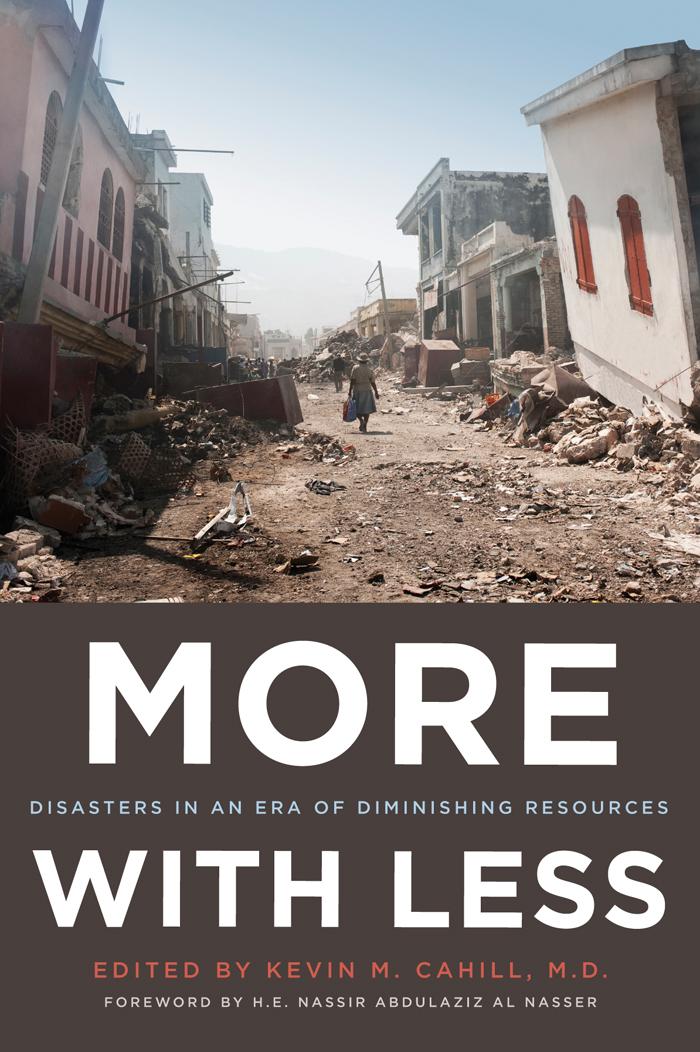
Natural and human-made disasters are increasing around the world. Hurricanes, typhoons, earthquakes, tsunamis, droughts, and resultant famine, floods, and armed conflicts are constant reminders of the frailty of our human race. Global warming may cause whole island states to be submerged as the oceans rise. In the past these acute and recurring crises have been met by the international community responding to UN and
media appeals. The economic collapse of nations is now a reality; some of those most affected had been traditional, generous donors to disaster relief operations. It is unlikely—probably impossible—that they will be
able to continue to contribute overseas when their own domestic needs are unmet.
A recent New York Times front page report suggested that one of the few domestic issues to have bipartisan support was to cut the foreign aid budget. This book analyzes the global economic forecast and the United
Nations pattern of philanthropy, provides a case study of how one nation with a tradition of giving will cope in the face of a marked reduction in flexible funds and then provides thoughtful chapters on new approaches
to disaster preparedness and disaster response.
Betal nemt med kort, Klarna, Apple Pay eller Google Pay. Ikke tilfreds? Du har altid 14 dages fortrydelsesret. Læs mere i vores vilkår. Har du spørgsmål, så send os en mail på hello@memmo.org.
Memmo gør det nemmere at studere – uanset hvor du er i verden. Hos os samler du dine kursusbøger og smarte studieværktøjer ét sted: resuméer, quizzer, podcasts og flashcards. Og så er der Ted, din studieven, der svarer på alt, du undrer dig over. Over 50 000 studerende studerer allerede her – bygget til at hjælpe dig med at lære hurtigere og stresse mindre.