
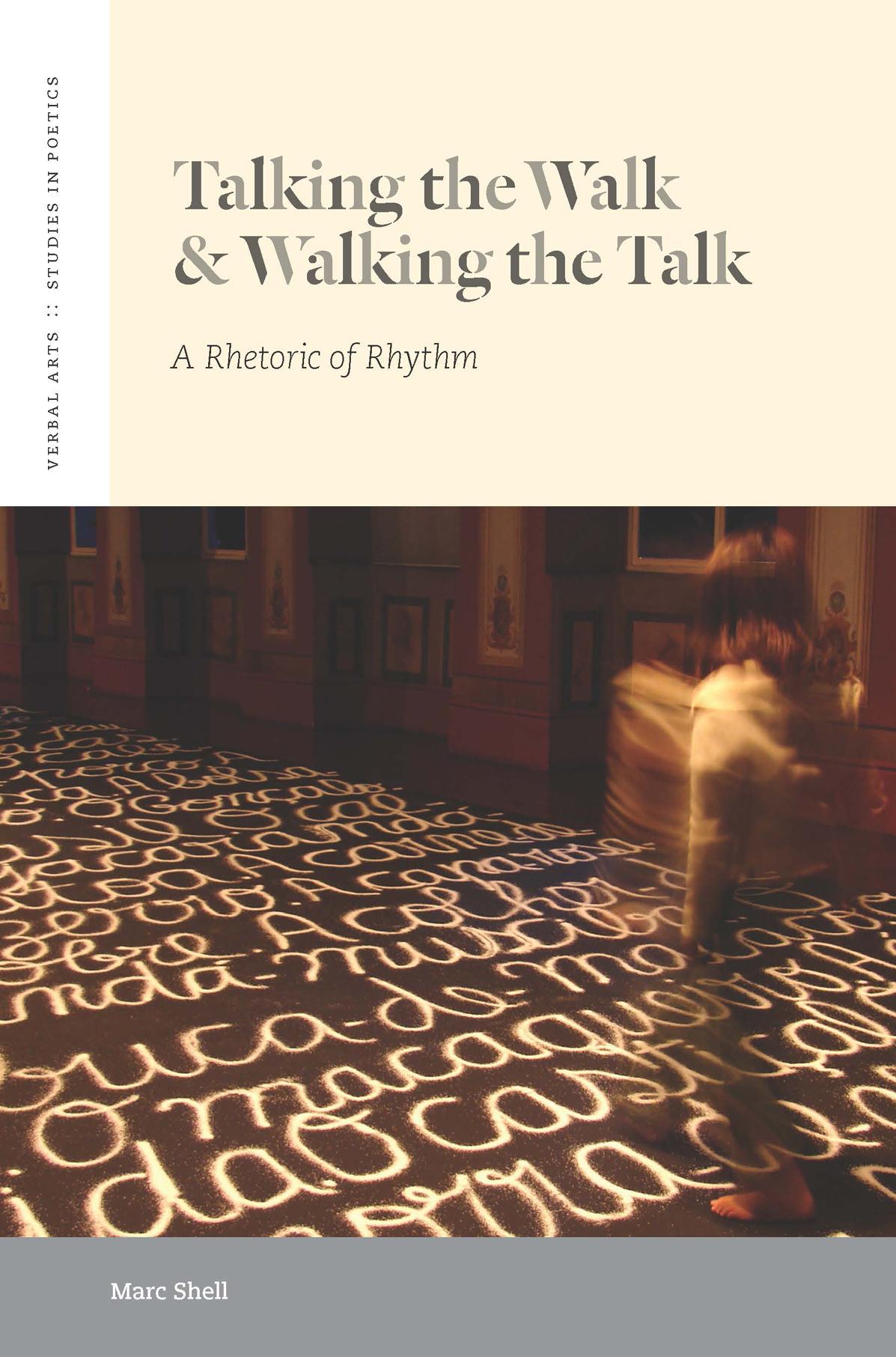
This book argues that we should regard walking and talking in a single rhythmic vision. In doing so, it contributes to the theory of prosody, our understanding of respiration and looking, and, in sum, to the particular links, across the board, between the human characteristics of bipedal walking and meaningful talk.
The author first introduces the philosophical, neurological, anthropological, and aesthetic aspects of the subject in historical perspective, then focuses on rhetoric and introduces a tension between the small and large issues of rhythm. He thereupon turns his attention to the roles of breathing in poetry—as a life-and-death matter, with attention to beats and walking poems. This opens onto technical concepts from the classical traditions of rhetoric and philology.
Turning to the relationship between prosody and motion, he considers both animals and human beings as both ostensibly able-bodied creatures and presumptively disabled ones. Finally, he looks at dancing and writing as aspects of walking and talking, with special attention to motion in Arabic and Chinese calligraphy.
The final chapters of the book provide a series of interrelated representative case studies.
Betal nemt med kort, Klarna, Apple Pay eller Google Pay. Ikke tilfreds? Du har altid 14 dages fortrydelsesret. Læs mere i vores vilkår. Har du spørgsmål, så send os en mail på hello@memmo.org.
Memmo gør det nemmere at studere – uanset hvor du er i verden. Hos os samler du dine kursusbøger og smarte studieværktøjer ét sted: resuméer, quizzer, podcasts og flashcards. Og så er der Ted, din studieven, der svarer på alt, du undrer dig over. Over 50 000 studerende studerer allerede her – bygget til at hjælpe dig med at lære hurtigere og stresse mindre.