
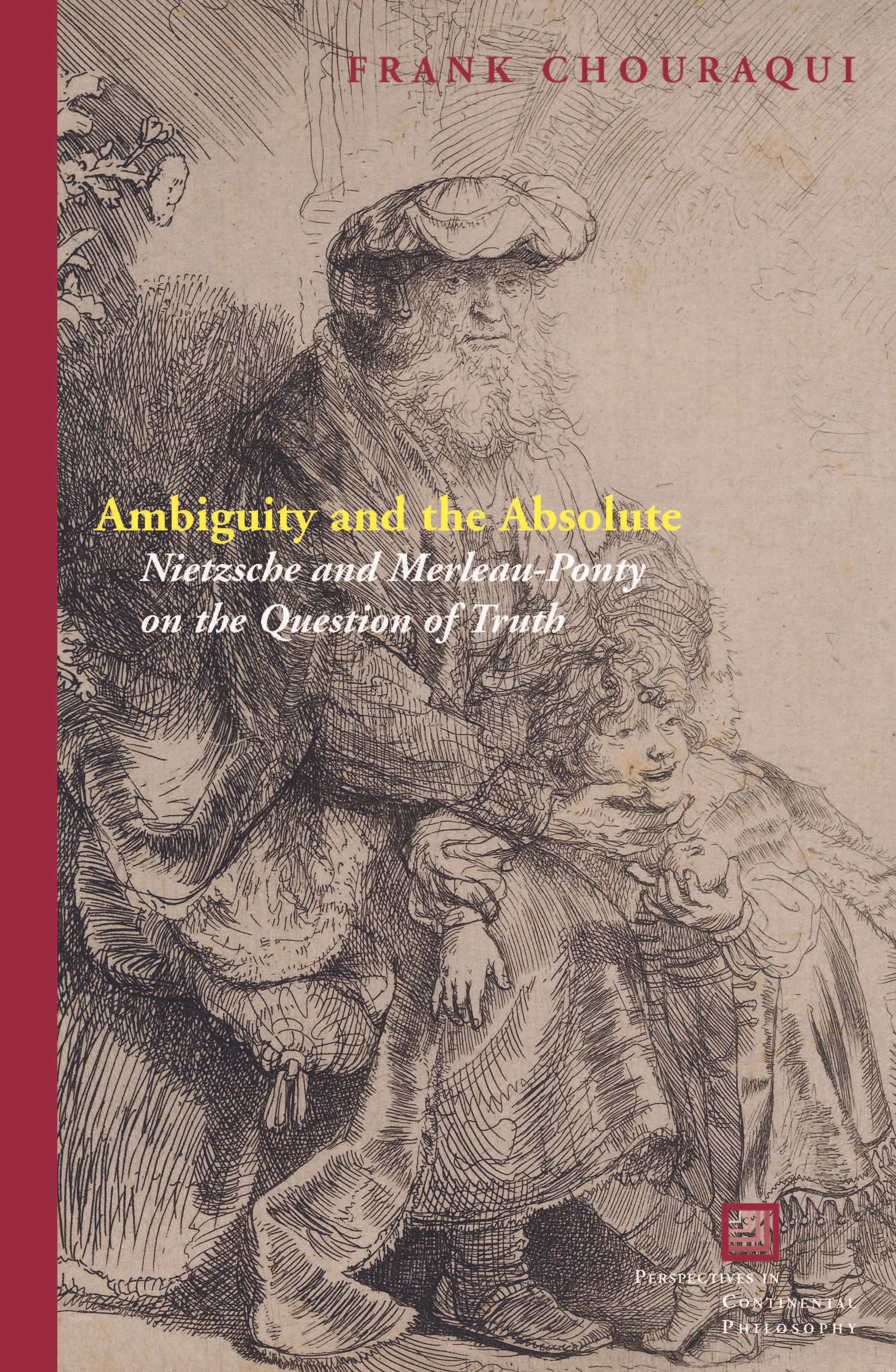
Friedrich Nietzsche and Maurice Merleau-Ponty, Chouraqui argues, are linked by how they conceive the question of truth. Although both thinkers criticize the traditional concept of truth as objectivity, they both find that rejecting it does not solve the problem. What is it in our natural existence that gave rise to the notion of truth?
The answer to that question is threefold. First, Nietzsche and Merleau-Ponty both propose a genealogy of “truth” in which to exist means to make implicit truth claims. Second, both seek to recover the preobjective ground from which truth as an erroneous concept arose. Finally, this attempt at recovery leads both thinkers to ontological considerations regarding how we must conceive of a being whose structure allows for the existence of the belief in truth. In conclusion, Chouraqui suggests that both thinkers’ investigations of the question of truth lead them to conceive of being as the process of self-falsification by which indeterminate being presents itself as determinate.
Betal nemt med kort, Klarna, Apple Pay eller Google Pay. Ikke tilfreds? Du har altid 14 dages fortrydelsesret. Læs mere i vores vilkår. Har du spørgsmål, så send os en mail på hello@memmo.org.
Memmo gør det nemmere at studere – uanset hvor du er i verden. Hos os samler du dine kursusbøger og smarte studieværktøjer ét sted: resuméer, quizzer, podcasts og flashcards. Og så er der Ted, din studieven, der svarer på alt, du undrer dig over. Over 50 000 studerende studerer allerede her – bygget til at hjælpe dig med at lære hurtigere og stresse mindre.