
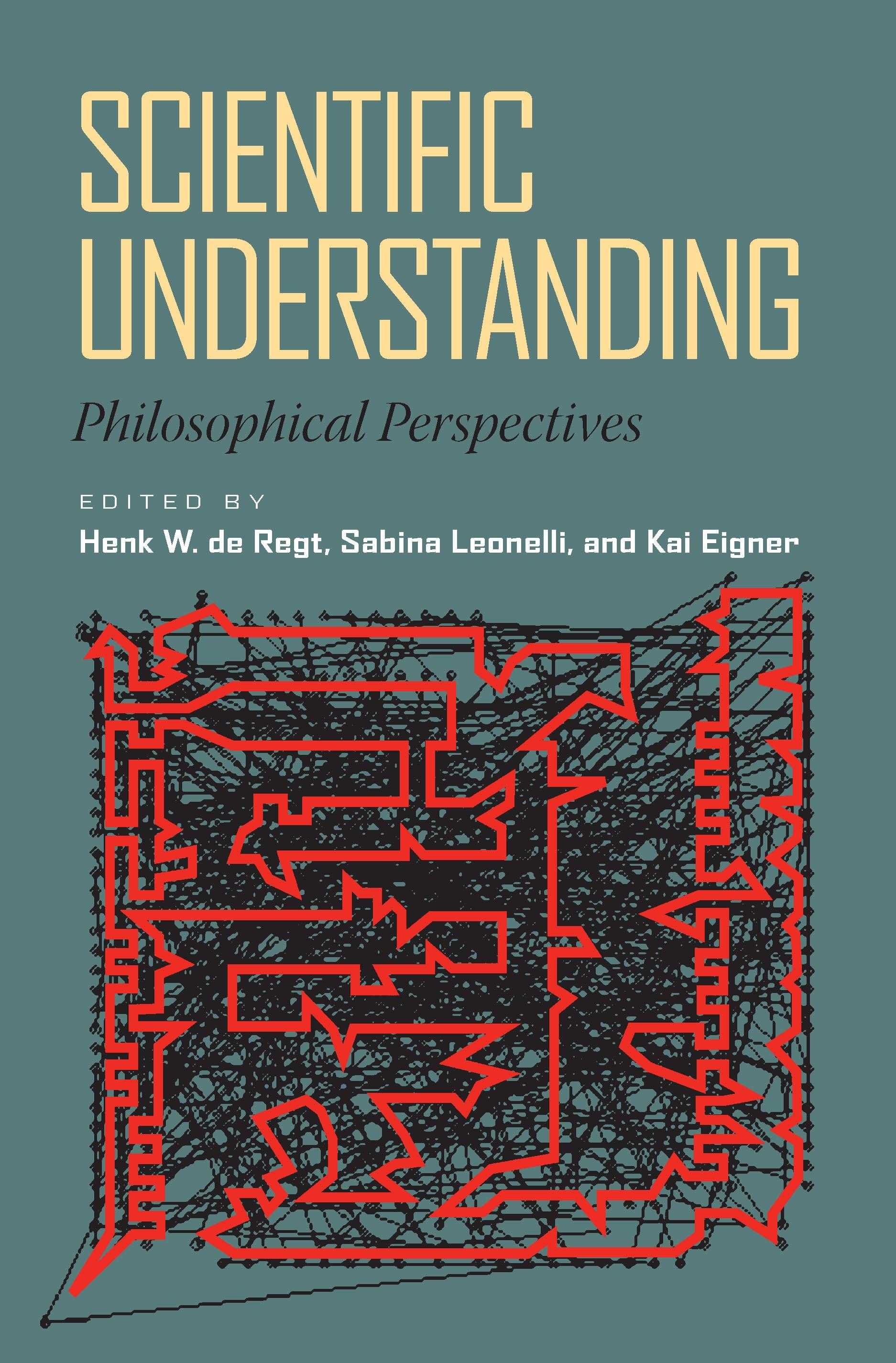
To most scientists, and to those interested in the sciences, understanding is the ultimate aim of scientific endeavor. In spite of this, understanding, and how it is achieved, has received little attention in recent philosophy of science. Scientific Understanding seeks to reverse this trend by providing original and in-depth accounts of the concept of understanding and its essential role in the scientific process. To this end, the chapters in this volume explore and develop three key topics: understanding and explanation, understanding and models, and understanding in scientific practice.
Earlier philosophers, such as Carl Hempel, dismissed understanding as subjective and pragmatic. They believed that the essence of science was to be found in scientific theories and explanations. In Scientific Understanding, the contributors maintain that we must also consider the relation between explanations and the scientists who construct and use them. They focus on understanding as the cognitive state that is a goal of explanation and on the understanding of theories and models as a means to this end.
The chapters in this book highlight the multifaceted nature of the process of scientific research. The contributors examine current uses of theory, models, simulations, and experiments to evaluate the degree to which these elements contribute to understanding. Their analyses pay due attention to the roles of intelligibility, tacit knowledge, and feelings of understanding. Furthermore, they investigate how understanding is obtained within diverse scientific disciplines and examine how the acquisition of understanding depends on specific contexts, the objects of study, and the stated aims of research.
Earlier philosophers, such as Carl Hempel, dismissed understanding as subjective and pragmatic. They believed that the essence of science was to be found in scientific theories and explanations. In Scientific Understanding, the contributors maintain that we must also consider the relation between explanations and the scientists who construct and use them. They focus on understanding as the cognitive state that is a goal of explanation and on the understanding of theories and models as a means to this end.
The chapters in this book highlight the multifaceted nature of the process of scientific research. The contributors examine current uses of theory, models, simulations, and experiments to evaluate the degree to which these elements contribute to understanding. Their analyses pay due attention to the roles of intelligibility, tacit knowledge, and feelings of understanding. Furthermore, they investigate how understanding is obtained within diverse scientific disciplines and examine how the acquisition of understanding depends on specific contexts, the objects of study, and the stated aims of research.
Kategori: Vetenskapsteori och forskningsmetod
e-ISBN: 9780822971245
Betal nemt med kort, Klarna, Apple Pay eller Google Pay. Ikke tilfreds? Du har altid 14 dages fortrydelsesret. Læs mere i vores vilkår. Har du spørgsmål, så send os en mail på hello@memmo.org.
Memmo gør det nemmere at studere – uanset hvor du er i verden. Hos os samler du dine kursusbøger og smarte studieværktøjer ét sted: resuméer, quizzer, podcasts og flashcards. Og så er der Ted, din studieven, der svarer på alt, du undrer dig over. Over 50 000 studerende studerer allerede her – bygget til at hjælpe dig med at lære hurtigere og stresse mindre.
Du kan måske også lide
Køb bogen0