
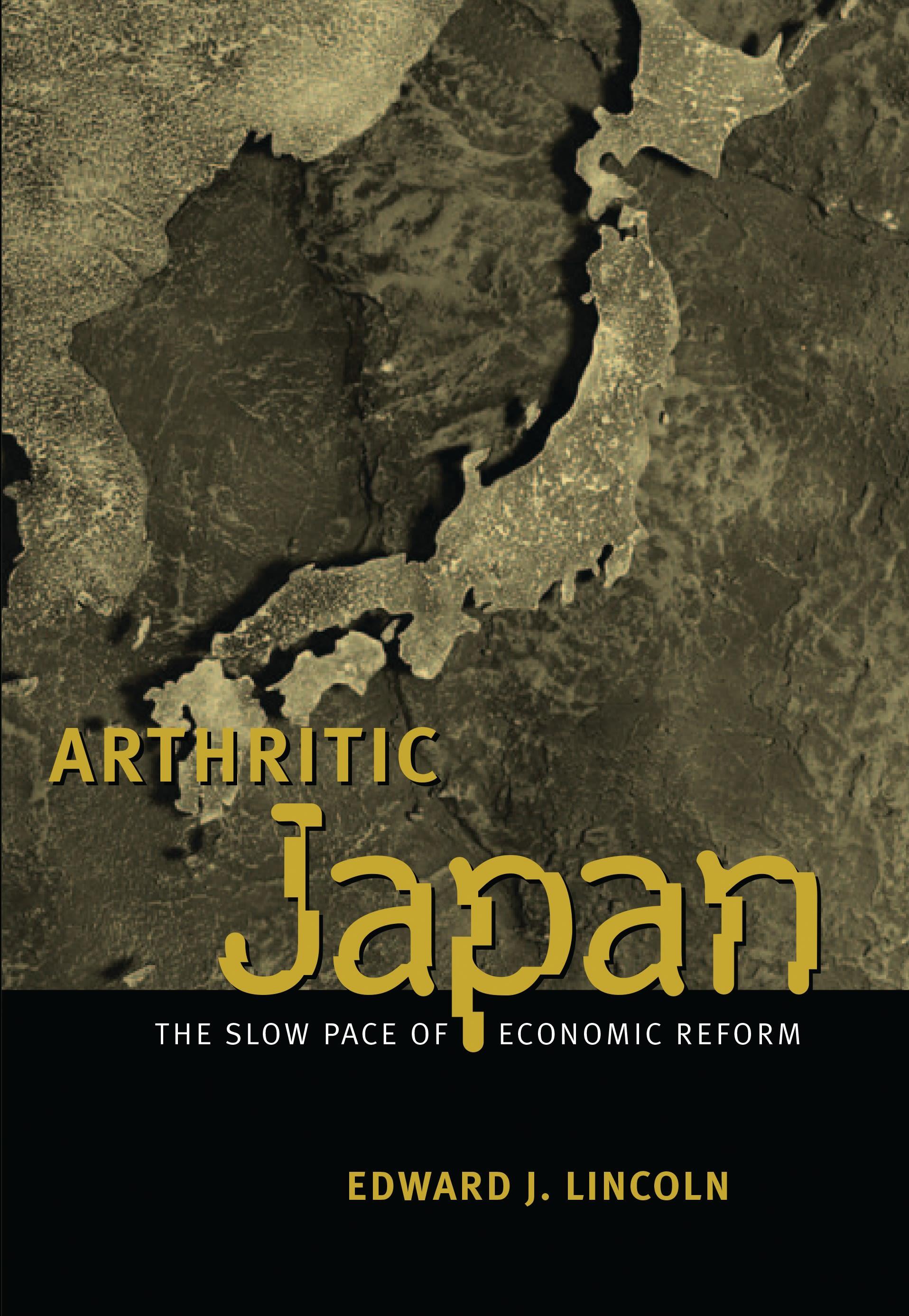
In the late 1980s, Japan's strong economic performance put it on a the verge of becoming a major player in regional and global affairs. But nearly a decade of economic stagnation, a mounting of bad debts, and a continuing stream of scandals have tarnished the country's distinctive economic model. At the turn of the millennium, the Japanese economy remained mired in a pattern of stagnation. As this disappointing condition dragged on, the government pursued policies to restore economic health. Yet Japan has been slow to embrace the systemic reform on which a robust economic recovery depends. In Arthritic Japan, Edward J. Lincoln examines the causes and implications of this weak response. Concluding that Japan is unlikely to pursue the vigorous reform necessary for economic growth, Lincoln warns of serious consequences: a stumbling economy bedeviled by recession and financial crisis, eroding leadership in economic and security issues, a continued defensive trade posture, and a disgruntled population that could turn a more nationalistic stance in foreign policy.
Betal nemt med kort, Klarna, Apple Pay eller Google Pay. Ikke tilfreds? Du har altid 14 dages fortrydelsesret. Læs mere i vores vilkår. Har du spørgsmål, så send os en mail på hello@memmo.org.
Memmo gør det nemmere at studere – uanset hvor du er i verden. Hos os samler du dine kursusbøger og smarte studieværktøjer ét sted: resuméer, quizzer, podcasts og flashcards. Og så er der Ted, din studieven, der svarer på alt, du undrer dig over. Over 50 000 studerende studerer allerede her – bygget til at hjælpe dig med at lære hurtigere og stresse mindre.