
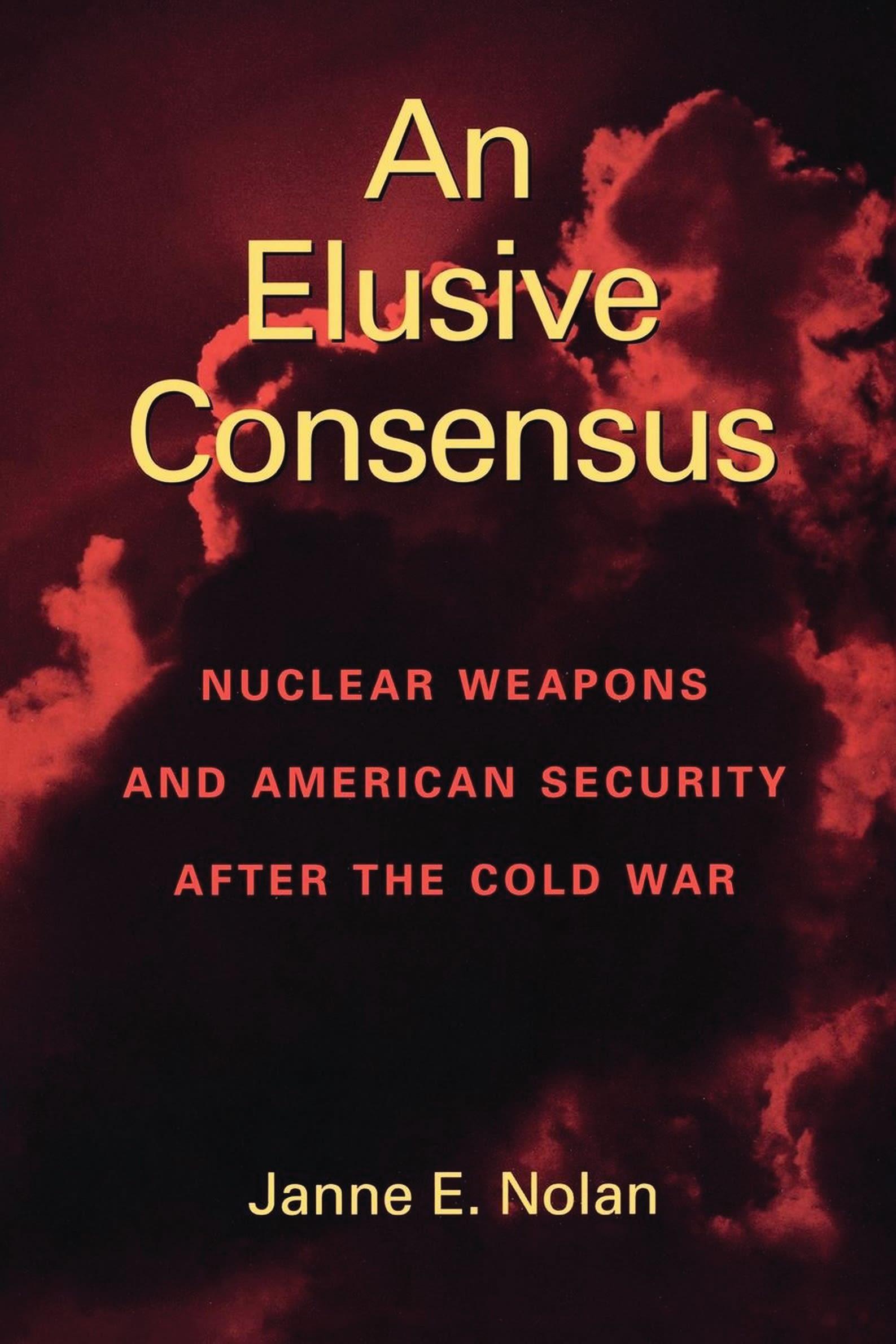
The United States continues to maintain a large nuclear arsenal guided by a deterrence strategy little changed since the collapse of the Warsaw Pact. Notwithstanding changes in the size and composition of nuclear forces brought about since 1991, the fundamental rationales and planning principles which informed U.S. nuclear policy for decades remain in place--despite the disappearance of a superpower nuclear enemy. In this work, Janne E. Nolan traces the effort to articulate a post-cold war nuclear doctrine through decisions taken in the Bush and Clinton administrations, focusing on the leadership styles of presidents, bureaucratic politics, and broader foreign policy objectives. Based on in-depth interviews with policy participants, this study illuminates in detail the dynamics by which the U.S. government has tried to reflect the dramatically altered international arena in its nuclear policies. In two major policy developments--the 1994 Nuclear Posture Review and the decision to sign the African Nuclear Weapons Free Zone Treaty--U.S. policy makers sought to define the utility of nuclear weapons after the cold war and to gain broad-based consensus. For many reasons, these efforts were largely unsuccessful in developing coherent policies, with the absence of sustained presidential leadership proving most decisive.
Sider: 139
Kategori: Statsvetenskap & Politik
e-ISBN: 9780815791195
Forsendelsesvægt: 1.2 kg
Sendes inden for: 1-2 dage
Betal nemt med kort, Klarna, Apple Pay eller Google Pay. Ikke tilfreds? Du har altid 14 dages fortrydelsesret. Læs mere i vores vilkår. Har du spørgsmål, så send os en mail på hello@memmo.org.
Memmo gør det nemmere at studere – uanset hvor du er i verden. Hos os samler du dine kursusbøger og smarte studieværktøjer ét sted: resuméer, quizzer, podcasts og flashcards. Og så er der Ted, din studieven, der svarer på alt, du undrer dig over. Over 50 000 studerende studerer allerede her – bygget til at hjælpe dig med at lære hurtigere og stresse mindre.