
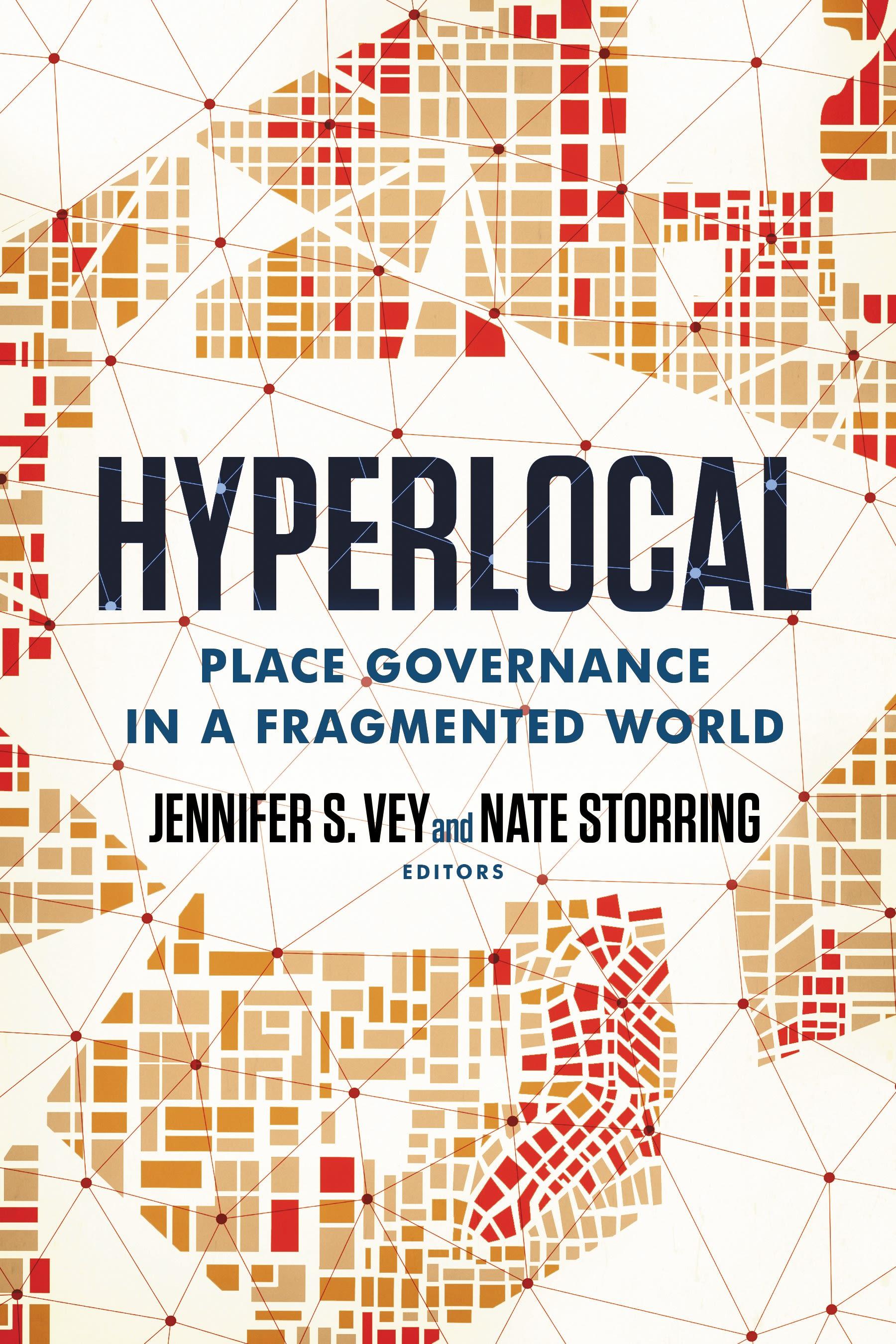
An examination of how the (hyper)local is the locus of real change
Many of America’s downtowns, waterfronts, and innovation districts have experienced significant revitalization and reinvestment in recent years, but concentrated poverty and racial segregation remain persistent across thousands of urban, suburban, and rural neighborhoods. The coronavirus pandemic magnified this sustained and growing landscape of inequality.
Uneven patterns of economic growth and investment require a shift in how communities are governed and managed. This shift must take into account the changing socioeconomic realities of regions and the pressing need to bring inclusive economic growth and prosperity to more people and places.
In this context, place-based (“hyperlocal”) governance structures in the United States and around the globe have been both part of the problem and part of the solution. These organizations range from community land trusts to business improvement districts to neighborhood councils. However, very little systematic research has documented the full diversity and evolution of these organizations as part of one interrelated field. Hyperlocal helps fill that gap by describing the challenges and opportunities of “place governance.”
The chapters in Hyperlocal explore both the tensions and benefits associated with governing places in an increasingly fragmented—and inequitable—economic landscape. Together they explore the potential of place governance to give stakeholders a structure through which to share ideas, voice concerns, advocate for investments, and co-design strategies with others both inside and outside their place. They also discuss how place governance can serve the interests of some stakeholders over others, in turn exacerbating wealth-based inequities within and across communities. Finally, they highlight innovative financing, organizing, and ownership models for creating and sustaining more effective and inclusive place governance structures.
The authors hope to provoke new thinking among place governance practitioners, policymakers, private sector leaders, urban planners, scholars, students, and philanthropists about how, why, and for whom place governance matters. The book also provides guidance on how to improve place governance practice to benefit more people and places.
Many of America’s downtowns, waterfronts, and innovation districts have experienced significant revitalization and reinvestment in recent years, but concentrated poverty and racial segregation remain persistent across thousands of urban, suburban, and rural neighborhoods. The coronavirus pandemic magnified this sustained and growing landscape of inequality.
Uneven patterns of economic growth and investment require a shift in how communities are governed and managed. This shift must take into account the changing socioeconomic realities of regions and the pressing need to bring inclusive economic growth and prosperity to more people and places.
In this context, place-based (“hyperlocal”) governance structures in the United States and around the globe have been both part of the problem and part of the solution. These organizations range from community land trusts to business improvement districts to neighborhood councils. However, very little systematic research has documented the full diversity and evolution of these organizations as part of one interrelated field. Hyperlocal helps fill that gap by describing the challenges and opportunities of “place governance.”
The chapters in Hyperlocal explore both the tensions and benefits associated with governing places in an increasingly fragmented—and inequitable—economic landscape. Together they explore the potential of place governance to give stakeholders a structure through which to share ideas, voice concerns, advocate for investments, and co-design strategies with others both inside and outside their place. They also discuss how place governance can serve the interests of some stakeholders over others, in turn exacerbating wealth-based inequities within and across communities. Finally, they highlight innovative financing, organizing, and ownership models for creating and sustaining more effective and inclusive place governance structures.
The authors hope to provoke new thinking among place governance practitioners, policymakers, private sector leaders, urban planners, scholars, students, and philanthropists about how, why, and for whom place governance matters. The book also provides guidance on how to improve place governance practice to benefit more people and places.
Betal nemt med kort, Klarna, Apple Pay eller Google Pay. Ikke tilfreds? Du har altid 14 dages fortrydelsesret. Læs mere i vores vilkår. Har du spørgsmål, så send os en mail på hello@memmo.org.
Memmo gør det nemmere at studere – uanset hvor du er i verden. Hos os samler du dine kursusbøger og smarte studieværktøjer ét sted: resuméer, quizzer, podcasts og flashcards. Og så er der Ted, din studieven, der svarer på alt, du undrer dig over. Over 50 000 studerende studerer allerede her – bygget til at hjælpe dig med at lære hurtigere og stresse mindre.