
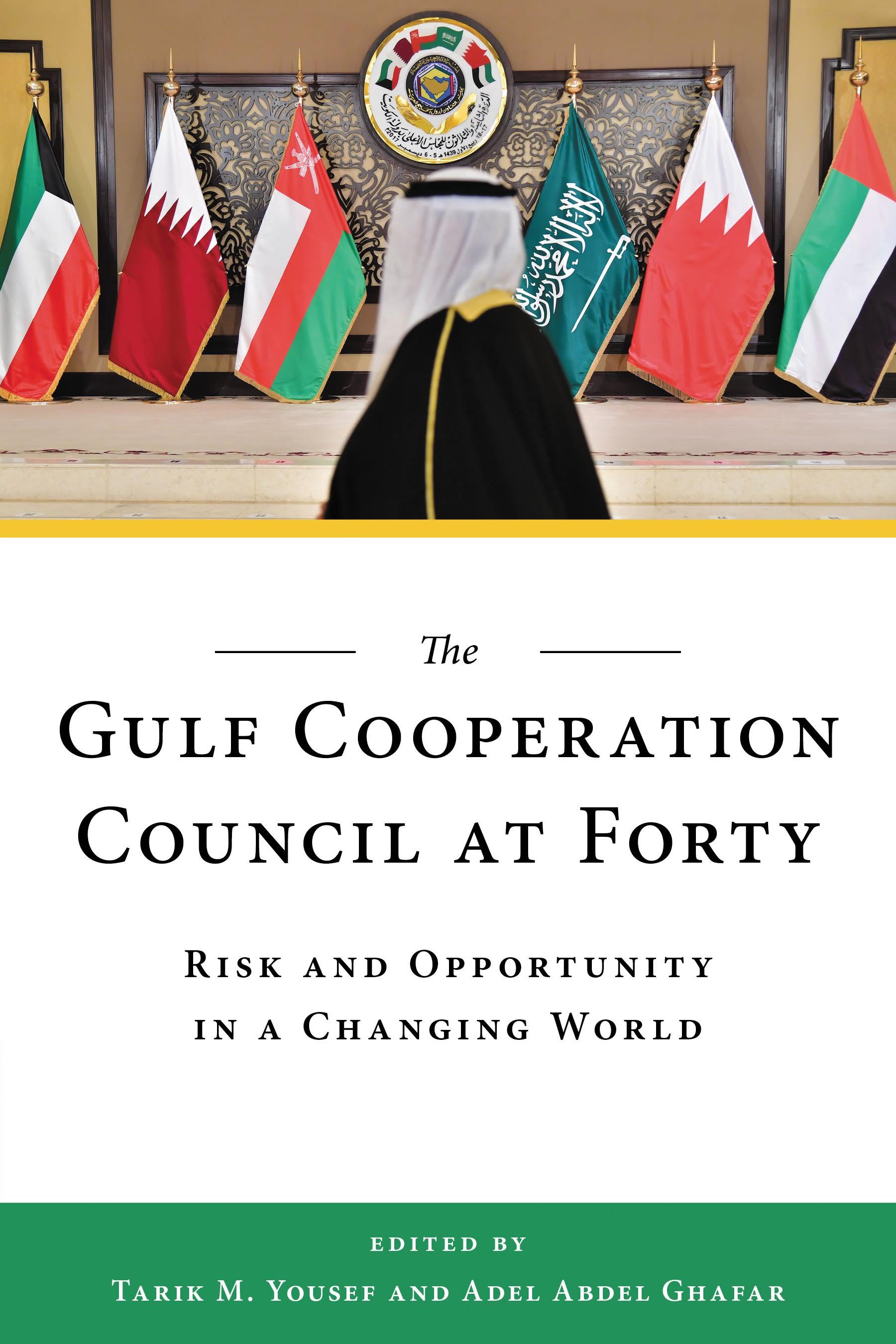
All of the GCC countries—Bahrain, Kuwait, Oman, Qatar, Saudi Arabia, and the United Arab Emirates—are undergoing historic socio-economic transitions. They are facing enormous strains on public finances and challenging economic outlooks, due to fluctuating oil prices, demographic pressures, high unemployment rates, and a lack of economic diversification. These countries also are likely to feel the rising impact of climate change, and global policies to deal with it, over the coming decades. In addition, seemingly unstoppable shifts in the long-standing international order, notably the rise of China and uncertainties about U.S. leadership, have potentially serious implications for the Middle East and beyond.
This by noted scholars and experts considers the key trends shaping Gulf Cooperation Council (GCC) countries--Bahrain, Kuwait, Oman, Qatar, Saudi Arabia, and the United Arab Emirate-- ranging from the COVID-19 pandemic, to climate change, economic disruptions, demographics and other domestic concerns, and shifts in the global order.
The book’s chapters address such questions as: How will global megatrends impact the GCC? How can GCC states adjust and diversify their economies to meet the dual challenges of fluctuating oil prices and climate change? How can these states adjust their labor markets to absorb and support women and youth? How will inter GCC disagreements impact the region moving forward? And how will GCC relations with international actors shift in the coming years?
This timely book, with its comprehensive analyses and policy recommendations, will be of interest to a wide range of readers interested in the GCC region, including policymakers, academics, and researchers at think tanks and nongovernmental organizations.
This by noted scholars and experts considers the key trends shaping Gulf Cooperation Council (GCC) countries--Bahrain, Kuwait, Oman, Qatar, Saudi Arabia, and the United Arab Emirate-- ranging from the COVID-19 pandemic, to climate change, economic disruptions, demographics and other domestic concerns, and shifts in the global order.
The book’s chapters address such questions as: How will global megatrends impact the GCC? How can GCC states adjust and diversify their economies to meet the dual challenges of fluctuating oil prices and climate change? How can these states adjust their labor markets to absorb and support women and youth? How will inter GCC disagreements impact the region moving forward? And how will GCC relations with international actors shift in the coming years?
This timely book, with its comprehensive analyses and policy recommendations, will be of interest to a wide range of readers interested in the GCC region, including policymakers, academics, and researchers at think tanks and nongovernmental organizations.
Betal nemt med kort, Klarna, Apple Pay eller Google Pay. Ikke tilfreds? Du har altid 14 dages fortrydelsesret. Læs mere i vores vilkår. Har du spørgsmål, så send os en mail på hello@memmo.org.
Memmo gør det nemmere at studere – uanset hvor du er i verden. Hos os samler du dine kursusbøger og smarte studieværktøjer ét sted: resuméer, quizzer, podcasts og flashcards. Og så er der Ted, din studieven, der svarer på alt, du undrer dig over. Over 50 000 studerende studerer allerede her – bygget til at hjælpe dig med at lære hurtigere og stresse mindre.