
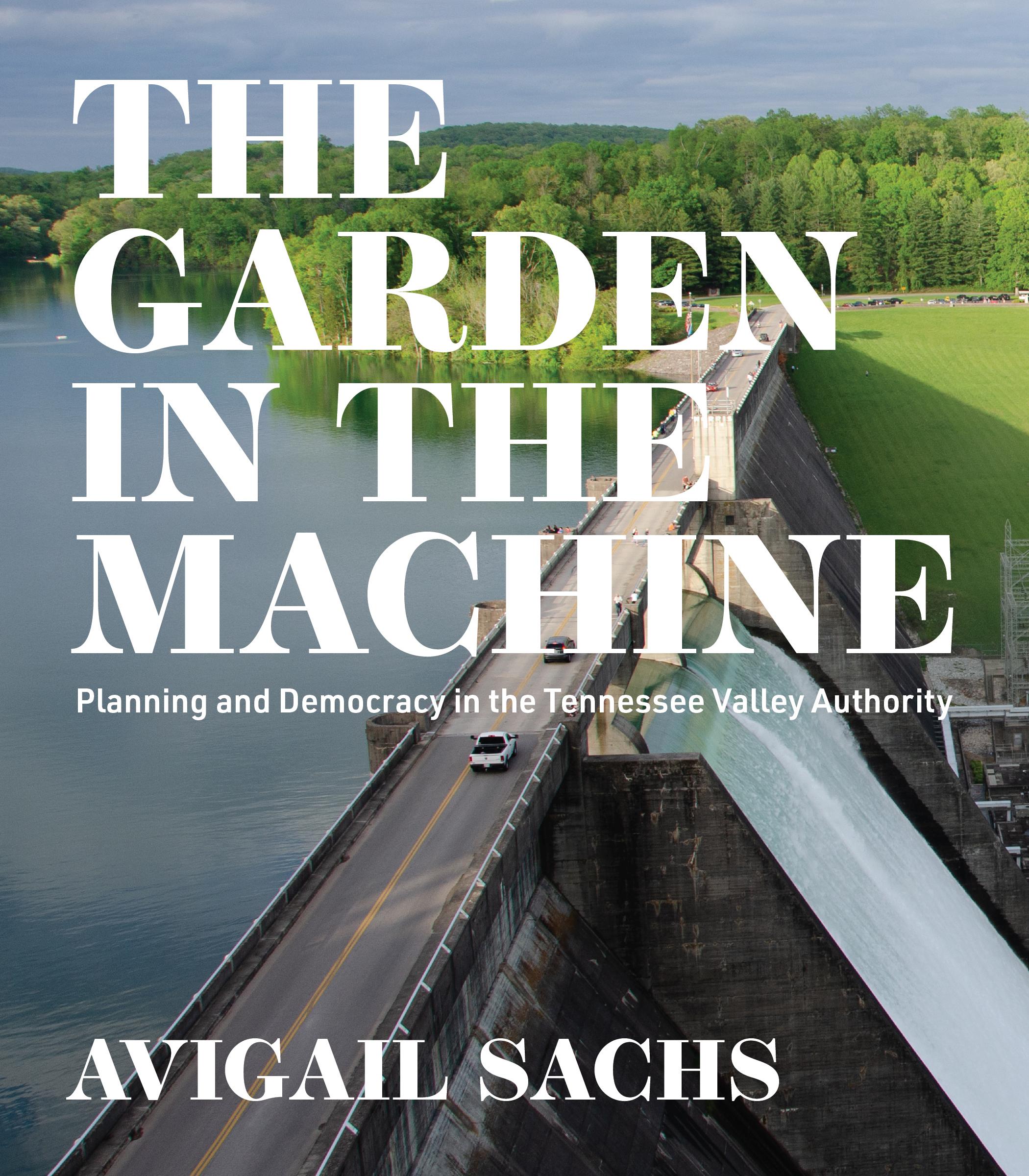
The Tennessee Valley Authority was the largest single agency created under the auspices of the New Deal legislation. Until 1933, when the project was initiated, the Tennessee Valley was known romantically as "a region of untapped potential" and, less romantically, as one of the most impoverished and isolated areas of the country. The TVA was responsible for three large-scale environmental projects–the river, land, and power machines–but the project also had social, even utopian, goals. In service to the latter, the TVA put together a cadre of regional planners, architects, and landscape architects that Avigail Sachs calls the "atelier TVA." These professionals contributed to the design of the system of multipurpose dams, arranged visitor centers and scenic routes, built housing and communities (although both were segregated), and instigated a regional recreation industry. In addition to its planning and design history audience, this volume will be of interest to environmental historians and historians of the Progressive Era.
Publication of this volume was assisted by a grant from Furthermore: a program of the J. M. Kaplan Fund.
Betal nemt med kort, Klarna, Apple Pay eller Google Pay. Ikke tilfreds? Du har altid 14 dages fortrydelsesret. Læs mere i vores vilkår. Har du spørgsmål, så send os en mail på hello@memmo.org.
Memmo gør det nemmere at studere – uanset hvor du er i verden. Hos os samler du dine kursusbøger og smarte studieværktøjer ét sted: resuméer, quizzer, podcasts og flashcards. Og så er der Ted, din studieven, der svarer på alt, du undrer dig over. Over 50 000 studerende studerer allerede her – bygget til at hjælpe dig med at lære hurtigere og stresse mindre.