
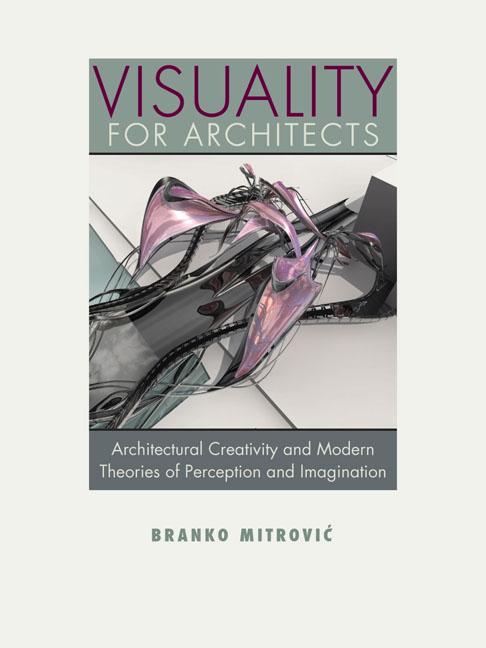
What is more important in architectural works—their form, shape, and color, or the meanings and symbolism that can be associated with them? Can aesthetic judgments of architecture be independent of the stories one can tell about buildings? Do non-architects perceive buildings in the same way as do architects?
For the greater part of the twentieth century it was common to respond to these and similar questions by relying on psychological theories asserting there is no innocent eye, that we think only in language, and that human visuality results from preexisting, conceptual knowledge. Dramatic breakthroughs in philosophy and psychology over the past two decades, however, have shown us that human visuality functions for the most part independently of conceptual thinking and language.
This book examines the ways in which new theories of human visuality create a different understanding of architectural design, practice, and education. This new understanding coincides with and supports formalist approaches to architecture that have become influential in recent years as a result of the digital revolution in architectural design.
Betal nemt med kort, Klarna, Apple Pay eller Google Pay. Ikke tilfreds? Du har altid 14 dages fortrydelsesret. Læs mere i vores vilkår. Har du spørgsmål, så send os en mail på hello@memmo.org.
Memmo gør det nemmere at studere – uanset hvor du er i verden. Hos os samler du dine kursusbøger og smarte studieværktøjer ét sted: resuméer, quizzer, podcasts og flashcards. Og så er der Ted, din studieven, der svarer på alt, du undrer dig over. Over 50 000 studerende studerer allerede her – bygget til at hjælpe dig med at lære hurtigere og stresse mindre.