
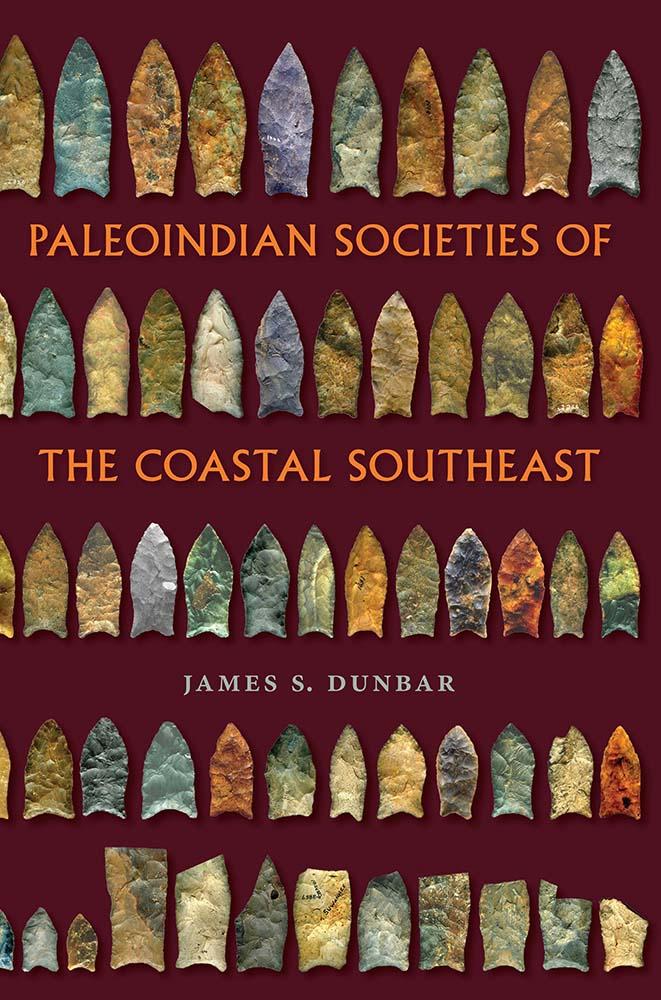
The late Pleistocene-early Holocene landscape hosted more species and greater numbers of them in the Southeast compared to any other region in North America at that time. Yet James Dunbar posits that a misguided reliance on using Old World origins to validate New World evidence has stalled research in this area. Rejecting the one-size-fits-all approach to Pleistocene archaeological sites, Dunbar analyzes five areas of contextual data—stratigraphy; chronology; paleoclimate; the combined consideration of habitat, resource availability, and subsistence; and artifacts and technology—to resolve unanswered questions surrounding the Paleoindian occupation of the Americas.
Through his extensive research, Dunbar demonstrates a masterful understanding of the lifeways of the region’s people and the animals they hunted, showing that the geography and diversity of food sources was unique to that period. He suggests that the most important archaeological and paleontological resources in the Americas still remain undiscovered in Florida’s karst river basins. Building a case for the wealth of information yet to be unearthed, he provides a fresh perspective on the distant past and an original way of thinking about early life on the land mass we call Florida.
A volume in the Florida Museum of Natural History: Ripley P. Bullen Series
Sider: 344
Kategori: Arkeologi & Antikvetenskap
e-ISBN: 9780813065311
Forsendelsesvægt: 1.2 kg
Sendes inden for: 1-2 dage
Betal nemt med kort, Klarna, Apple Pay eller Google Pay. Ikke tilfreds? Du har altid 14 dages fortrydelsesret. Læs mere i vores vilkår. Har du spørgsmål, så send os en mail på hello@memmo.org.
Memmo gør det nemmere at studere – uanset hvor du er i verden. Hos os samler du dine kursusbøger og smarte studieværktøjer ét sted: resuméer, quizzer, podcasts og flashcards. Og så er der Ted, din studieven, der svarer på alt, du undrer dig over. Over 50 000 studerende studerer allerede her – bygget til at hjælpe dig med at lære hurtigere og stresse mindre.
Du kan måske også lide
Køb bogen0