
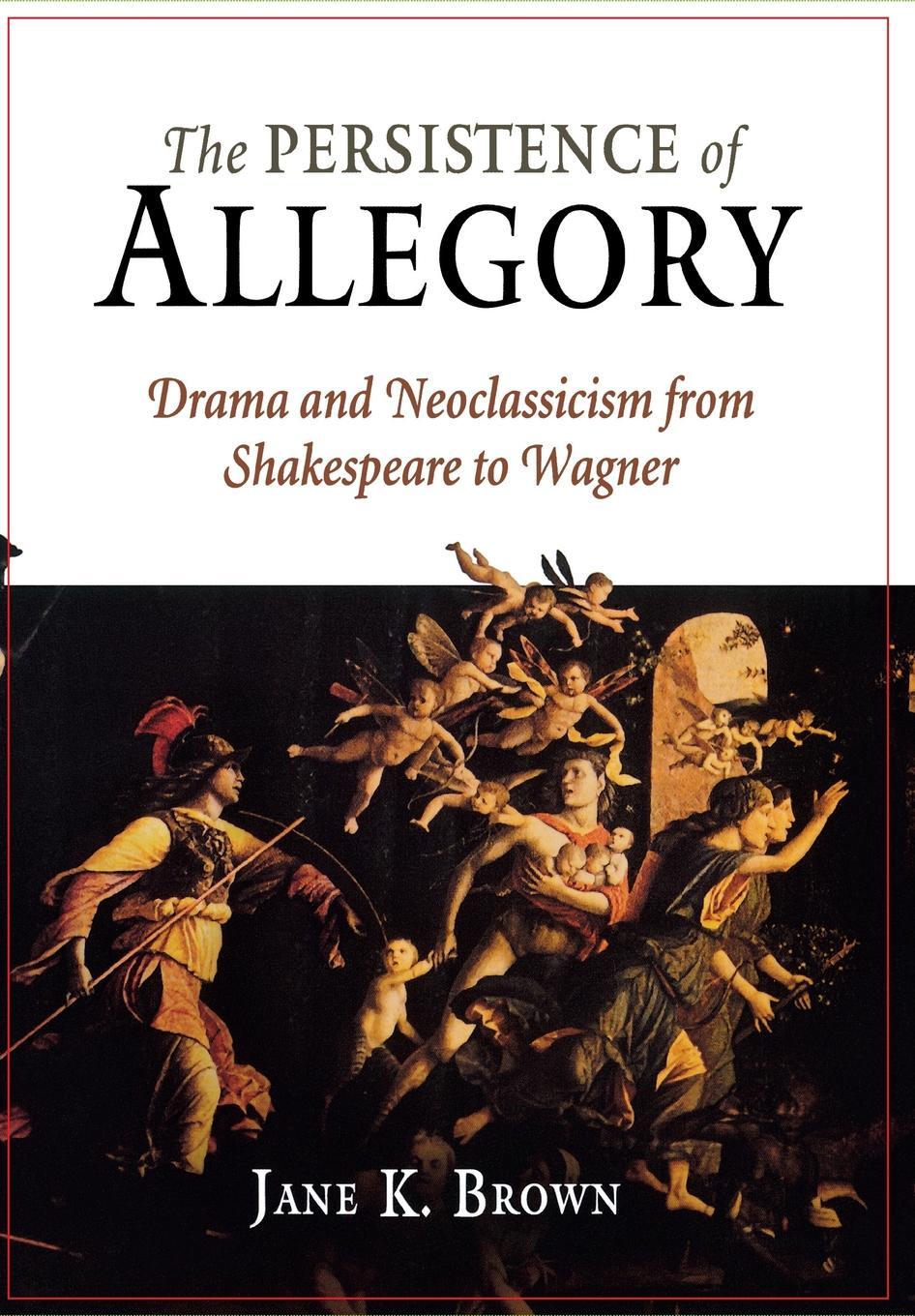
In an impressively comparative work, Jane K. Brown explores the tension in European drama between allegory and neoclassicism from the sixteenth through the nineteenth century. Imitation of nature is generally thought to triumph over religious allegory in the Elizabethan and French classical theater, a shift attributable to the recovery of Aristotle's Poetics in the Renaissance. But if Aristotle's terminology was rapidly assimilated, Brown demonstrates that change in dramatic practice took place only gradually and partially and that allegory was never fully cast off the stage.
The book traces a complex history of neoclassicism in which new allegorical forms flourish and older ones are constantly revitalized. Brown reveals the allegorical survivals in the works of such major figures as Shakespeare, Calderón, Racine, Vondel, Metastasio, Goethe, and Wagner and reads tragedy, comedy, masque, opera, and school drama together rather than as separate developments. Throughout, she draws illuminating parallels to modes of representation in the visual arts.
A work of broad interest to scholars, teachers, and students of theatrical form, The Persistence of Allegory presents a fundamental rethinking of the history of European drama.
Betal nemt med kort, Klarna, Apple Pay eller Google Pay. Ikke tilfreds? Du har altid 14 dages fortrydelsesret. Læs mere i vores vilkår. Har du spørgsmål, så send os en mail på hello@memmo.org.
Memmo gør det nemmere at studere – uanset hvor du er i verden. Hos os samler du dine kursusbøger og smarte studieværktøjer ét sted: resuméer, quizzer, podcasts og flashcards. Og så er der Ted, din studieven, der svarer på alt, du undrer dig over. Over 50 000 studerende studerer allerede her – bygget til at hjælpe dig med at lære hurtigere og stresse mindre.