
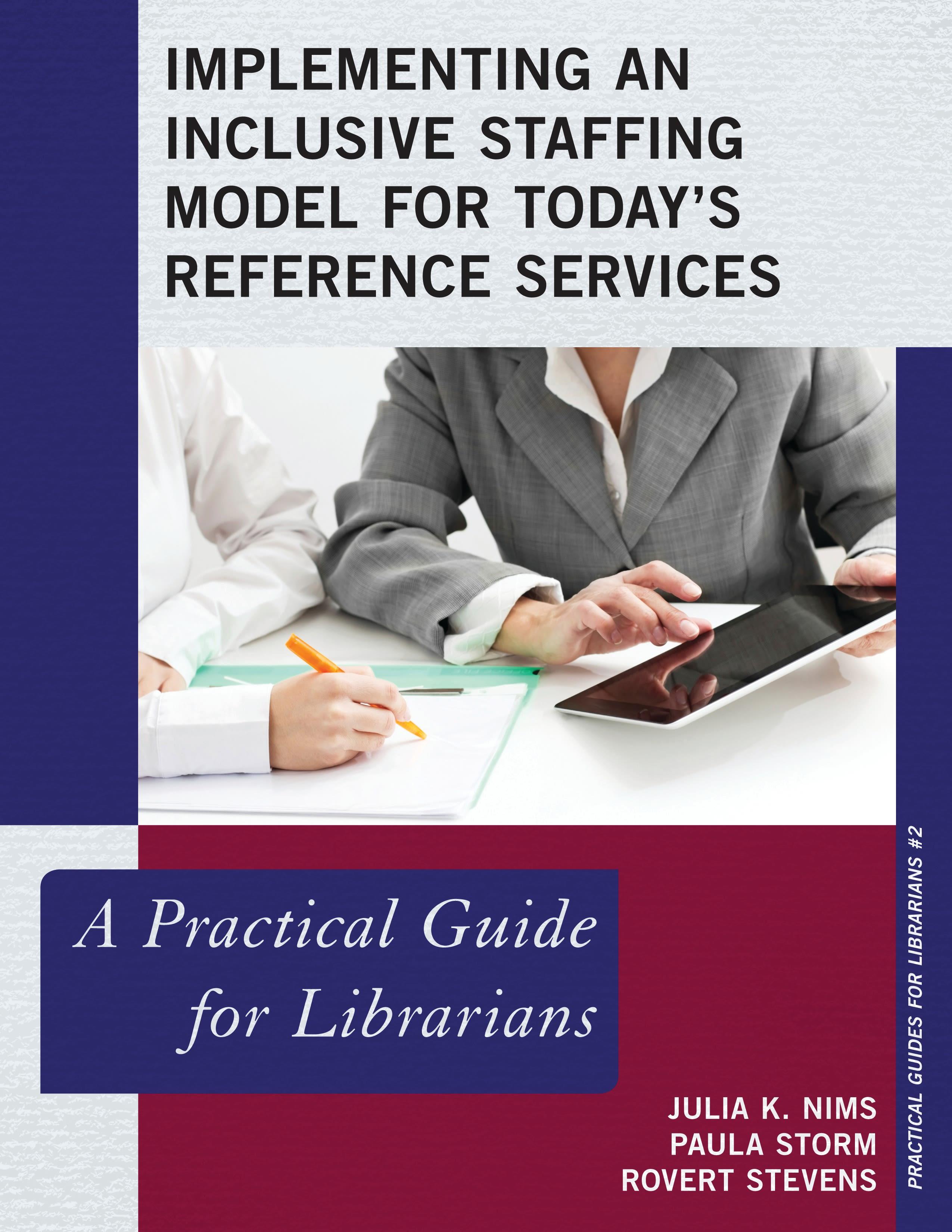
Reference service remains a core function of modern libraries. However, how and where we provide assistance has evolved with changing technologies and the shifting habits and preferences of our users. One way libraries can provide the on-demand, in-person assistance while managing and developing new services and resources that will benefit current and future users is to reconsider how their reference points and services are staffed and adopt a staff-based reference model.
The authors, staff members at Eastern Michigan University, chose to address this by implementing an inclusive reference model in which staff and student assistants are trained to answer certain levels of reference questions while working at the reference desk and at other service points. The result was that librarians became more available to work with students who needed in-depth assistance and users were able to get simple questions answered throughout the library. Similar training for all staff and student assistants who work in the library results in better service, more accurate answers, and improved interdepartmental communication.
In Implementing an Inclusive Staffing Model for Today's Reference Services, they describe step-by-step how to transition from the traditional librarian-staffed reference desk to an inclusive reference model where non-MLS personnel are equipped and empowered to answer reference questions wherever these questions might be asked. Users ask questions of staff at all service points, not just at the Reference Desk. It is vitally important that those who work at circulation, periodicals, maps, archives and other public service points be trained in how to answer certain reference questions. When this is accomplished, users who have simple questions will not have to make useless treks to the Reference Desk.
Topics covered include:
Recognizing that nearly all staff answer reference questions, but few are trained to do sodocumenting the necessity for a change in reference modelgaining buy-in from all interested parties—librarians, non-MLS staff, and administratorsdetermining the optimal staffing levelcreating training materials and schedulesmonitoring the quality of reference service supervising staffevaluating the new model using multiple methods
Additionally, each chapter contains practical resources such as checklists, forms, and sample materials, and other usable features to support readers as they implement the inclusive reference model.
The book describes in detail the process of transforming traditional reference into a model that transcends departmental and job title boundaries, is focused on the user, and allows librarians to better utilize their time and talents, and include non-professional staff in their reference services.
The authors, staff members at Eastern Michigan University, chose to address this by implementing an inclusive reference model in which staff and student assistants are trained to answer certain levels of reference questions while working at the reference desk and at other service points. The result was that librarians became more available to work with students who needed in-depth assistance and users were able to get simple questions answered throughout the library. Similar training for all staff and student assistants who work in the library results in better service, more accurate answers, and improved interdepartmental communication.
In Implementing an Inclusive Staffing Model for Today's Reference Services, they describe step-by-step how to transition from the traditional librarian-staffed reference desk to an inclusive reference model where non-MLS personnel are equipped and empowered to answer reference questions wherever these questions might be asked. Users ask questions of staff at all service points, not just at the Reference Desk. It is vitally important that those who work at circulation, periodicals, maps, archives and other public service points be trained in how to answer certain reference questions. When this is accomplished, users who have simple questions will not have to make useless treks to the Reference Desk.
Topics covered include:
Recognizing that nearly all staff answer reference questions, but few are trained to do sodocumenting the necessity for a change in reference modelgaining buy-in from all interested parties—librarians, non-MLS staff, and administratorsdetermining the optimal staffing levelcreating training materials and schedulesmonitoring the quality of reference service supervising staffevaluating the new model using multiple methods
Additionally, each chapter contains practical resources such as checklists, forms, and sample materials, and other usable features to support readers as they implement the inclusive reference model.
The book describes in detail the process of transforming traditional reference into a model that transcends departmental and job title boundaries, is focused on the user, and allows librarians to better utilize their time and talents, and include non-professional staff in their reference services.
Sider: 162
Kategori: Företagande & Management
e-ISBN: 9780810891296
Forsendelsesvægt: 1.2 kg
Sendes inden for: 1-2 dage
Betal nemt med kort, Klarna, Apple Pay eller Google Pay. Ikke tilfreds? Du har altid 14 dages fortrydelsesret. Læs mere i vores vilkår. Har du spørgsmål, så send os en mail på hello@memmo.org.
Memmo gør det nemmere at studere – uanset hvor du er i verden. Hos os samler du dine kursusbøger og smarte studieværktøjer ét sted: resuméer, quizzer, podcasts og flashcards. Og så er der Ted, din studieven, der svarer på alt, du undrer dig over. Over 50 000 studerende studerer allerede her – bygget til at hjælpe dig med at lære hurtigere og stresse mindre.