
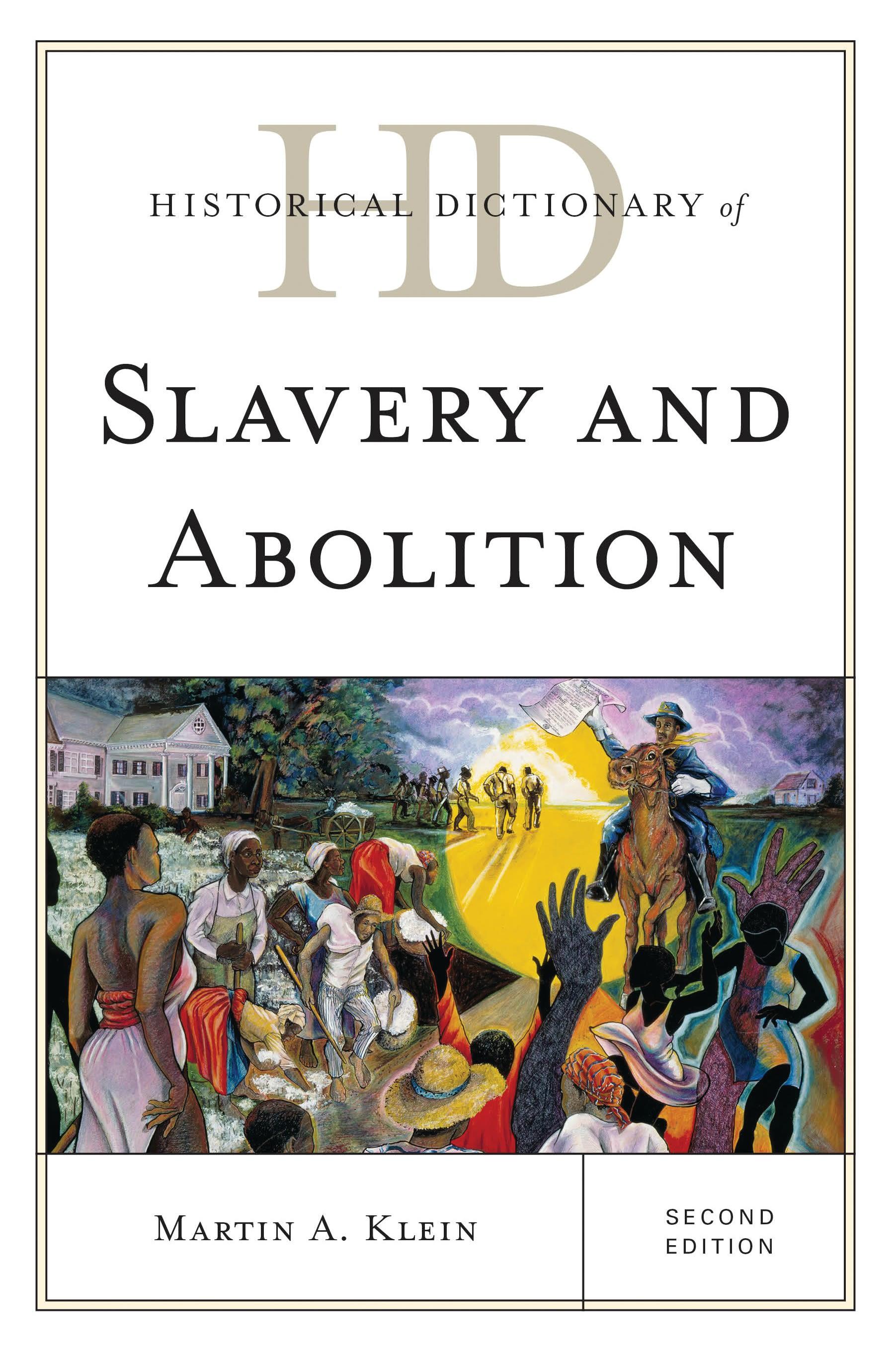
For almost four thousand years, men and women with power have exploited vulnerable populations for cheap or free labor. These slaves, serfs, helots, tenants, peons, bonded or forced laborers, etc., built pyramids and temples, dug canals and mined the earth for precious metals and gemstones. They built the palaces and mansions in which the powerful lived, grown the food they ate, spun the cloth that clothed them.
This second edition of Historical Dictionary of Slavery and Abolition relates the long and brutal history of slavery and the struggle for abolition using several key features:
Chronology Introductory essayAppendixesExtensive bibliographyOver 500 cross-referenced entries on forms of slavery, famous slaves and abolitionists, sources of slaves, and current conditions of modern slavery around the world
This book is an excellent access point for students, researchers, and anyone wanting to know more about slavery and abolition.
This second edition of Historical Dictionary of Slavery and Abolition relates the long and brutal history of slavery and the struggle for abolition using several key features:
Chronology Introductory essayAppendixesExtensive bibliographyOver 500 cross-referenced entries on forms of slavery, famous slaves and abolitionists, sources of slaves, and current conditions of modern slavery around the world
This book is an excellent access point for students, researchers, and anyone wanting to know more about slavery and abolition.
Betal nemt med kort, Klarna, Apple Pay eller Google Pay. Ikke tilfreds? Du har altid 14 dages fortrydelsesret. Læs mere i vores vilkår. Har du spørgsmål, så send os en mail på hello@memmo.org.
Memmo gør det nemmere at studere – uanset hvor du er i verden. Hos os samler du dine kursusbøger og smarte studieværktøjer ét sted: resuméer, quizzer, podcasts og flashcards. Og så er der Ted, din studieven, der svarer på alt, du undrer dig over. Over 50 000 studerende studerer allerede her – bygget til at hjælpe dig med at lære hurtigere og stresse mindre.