
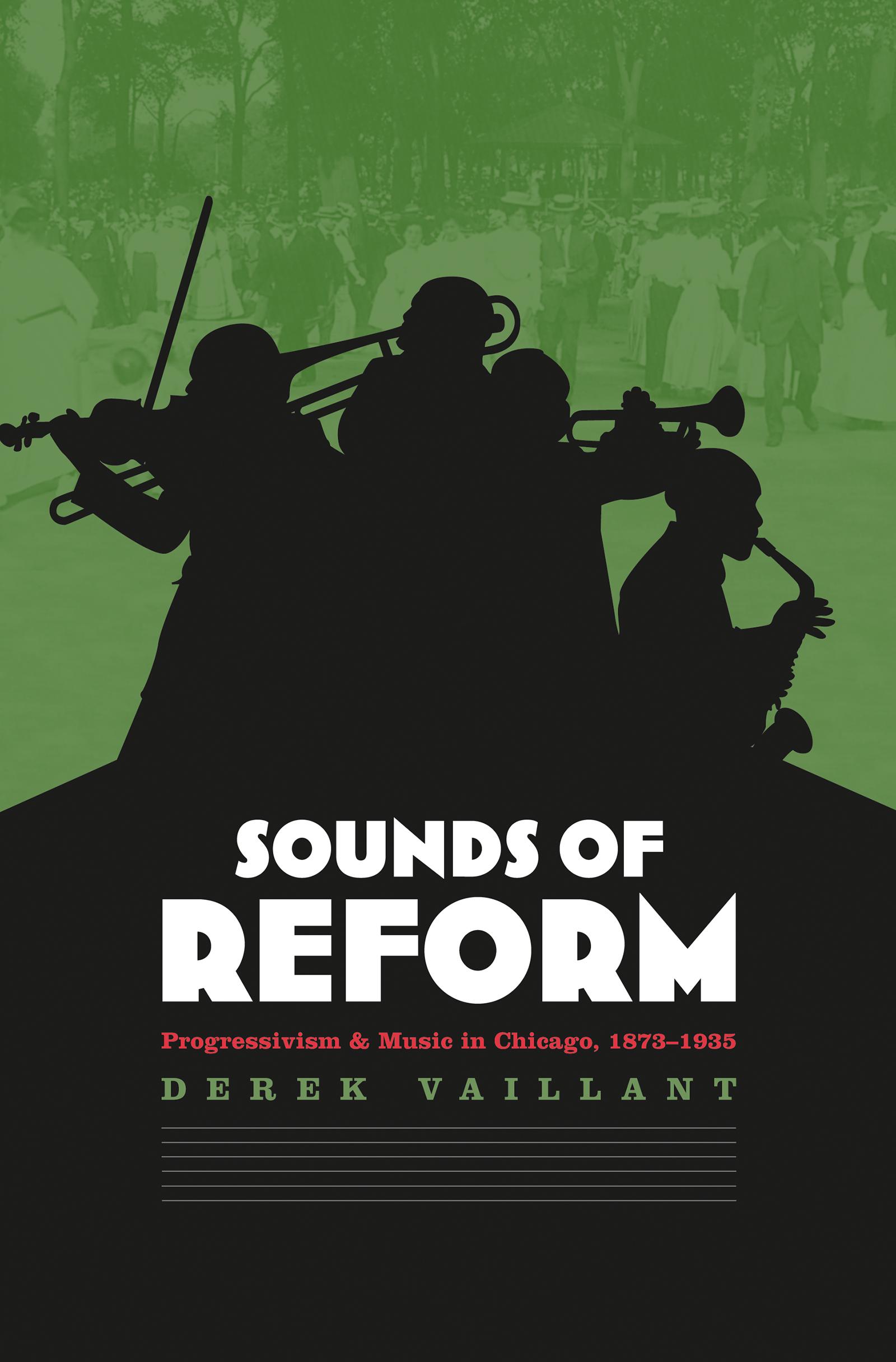
Between 1873 and 1935, reformers in Chicago used the power of music to unify the diverse peoples of the metropolis. These musical progressives emphasized the capacity of music to transcend differences among various groups. Sounds of Reform looks at the history of efforts to propagate this vision and the resulting encounters between activists and ethnic, immigrant, and working-class residents.
Musical progressives sponsored free concerts and music lessons at neighborhood parks and settlement houses, organized music festivals and neighborhood dances, and used the radio waves as part of an unprecedented effort to advance civic engagement. European classical music, ragtime, jazz, and popular American song all figured into the musical progressives' mission.
For residents with ideas about music as a tool of self-determination, musical progressivism could be problematic as well as empowering. The resulting struggles and negotiations between reformers and residents transformed the public culture of Chicago. Through his innovative examination of the role of music in the history of progressivism, Derek Vaillant offers a new perspective on the cultural politics of music and American society.
Betal nemt med kort, Klarna, Apple Pay eller Google Pay. Ikke tilfreds? Du har altid 14 dages fortrydelsesret. Læs mere i vores vilkår. Har du spørgsmål, så send os en mail på hello@memmo.org.
Memmo gør det nemmere at studere – uanset hvor du er i verden. Hos os samler du dine kursusbøger og smarte studieværktøjer ét sted: resuméer, quizzer, podcasts og flashcards. Og så er der Ted, din studieven, der svarer på alt, du undrer dig over. Over 50 000 studerende studerer allerede her – bygget til at hjælpe dig med at lære hurtigere og stresse mindre.