
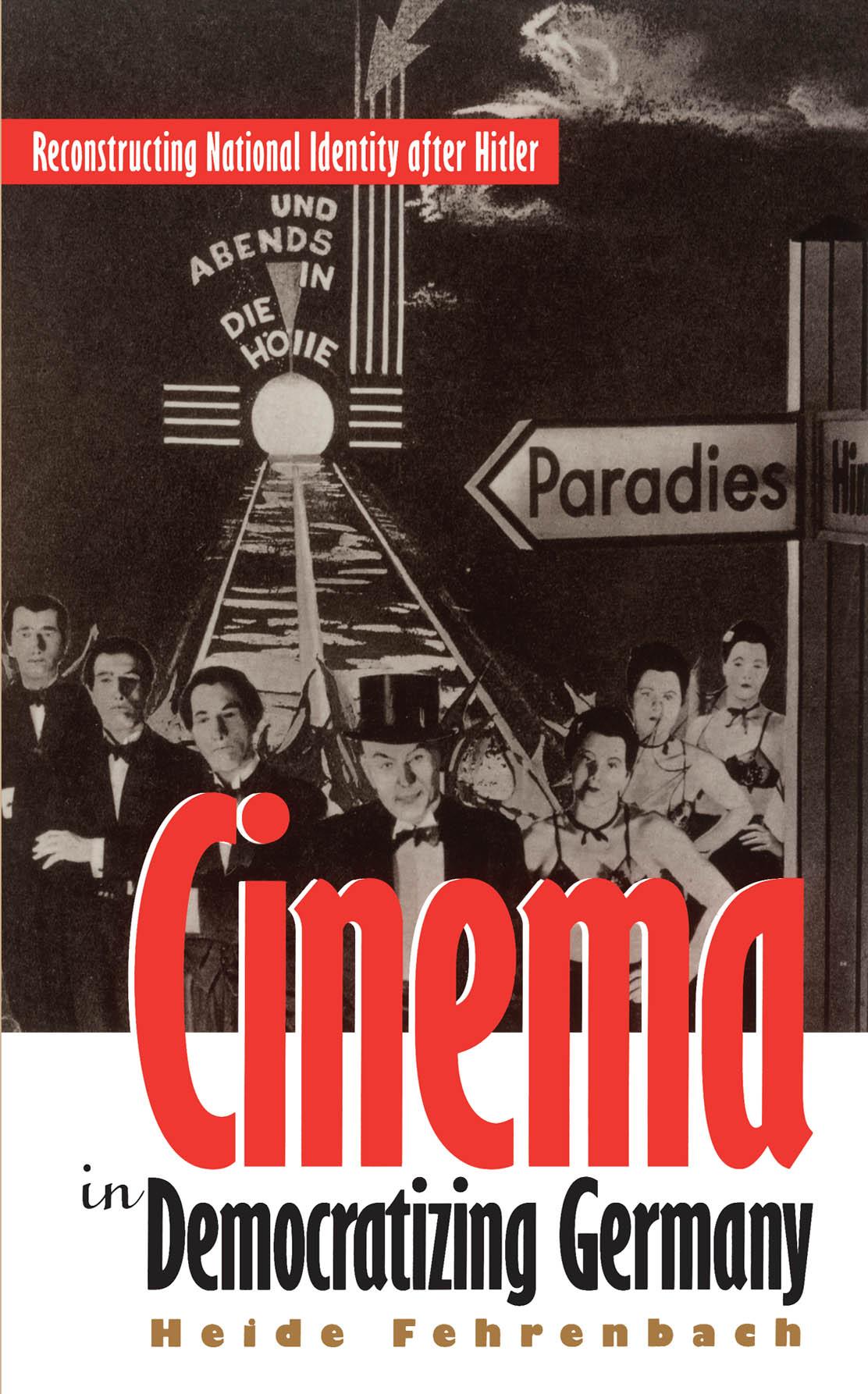
Heide Fehrenbach analyzes the important role cinema played in the reconstruction of German cultural and political identity between 1945 and 1962. Concentrating on the former West Germany, she explores the complex political uses of film — and the meanings attributed to film representation and spectatorship — during a period of abrupt transition to democracy. According to Fehrenbach, the process of national redefinition made cinema and cinematic control a focus of heated ideological debate. Moving beyond a narrow political examination of Allied-German negotiations, she investigates the broader social nexus of popular moviegoing, public demonstrations, film clubs, and municipal festivals. She also draws on work in gender and film studies to probe the ways filmmakers, students, church leaders, local politicians, and the general public articulated national identity in relation to the challenges posed by military occupation, American commercial culture, and redefined gender roles. Thus highlighting the links between national identity and cultural practice, this book provides a richer picture of what German reconstruction entailed for both women and men.
Betal nemt med kort, Klarna, Apple Pay eller Google Pay. Ikke tilfreds? Du har altid 14 dages fortrydelsesret. Læs mere i vores vilkår. Har du spørgsmål, så send os en mail på hello@memmo.org.
Memmo gør det nemmere at studere – uanset hvor du er i verden. Hos os samler du dine kursusbøger og smarte studieværktøjer ét sted: resuméer, quizzer, podcasts og flashcards. Og så er der Ted, din studieven, der svarer på alt, du undrer dig over. Over 50 000 studerende studerer allerede her – bygget til at hjælpe dig med at lære hurtigere og stresse mindre.
Du kan måske også lide
Køb bogen0