
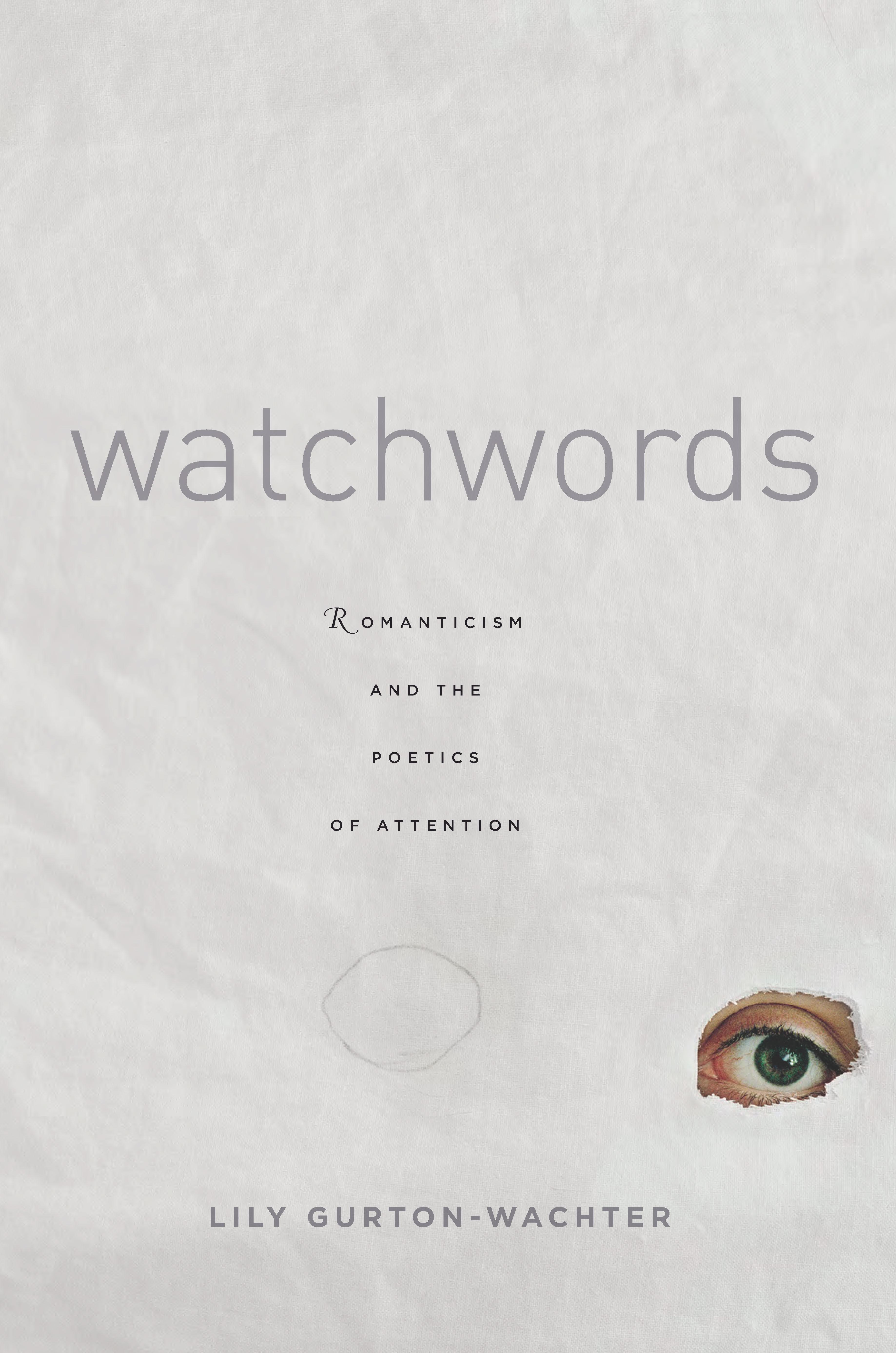
This book revisits British Romanticism as a poetics of heightened attention. At the turn of the nineteenth century, as Britain was on the alert for a possible French invasion, attention became a phenomenon of widespread interest, one that aligned and distinguished an unusual range of fields (including medicine, aesthetics, theology, ethics, pedagogy, and politics). Within this wartime context, the Romantic aesthetic tradition appears as a response to a crisis in attention caused by demands on both soldiers and civilians to keep watch. Close formal readings of the poetry of Blake, Coleridge, Cowper, Keats, (Charlotte) Smith, and Wordsworth, in conversation with research into Enlightenment philosophy and political and military discourses, suggest the variety of forces competing for—or commanding—attention in the period. This new framework for interpreting Romanticism and its legacy illuminates what turns out to be an ongoing tradition of war literature that, rather than give testimony to or represent warfare, uses rhythm and verse to experiment with how and what we attend to during times of war.
Betal nemt med kort, Klarna, Apple Pay eller Google Pay. Ikke tilfreds? Du har altid 14 dages fortrydelsesret. Læs mere i vores vilkår. Har du spørgsmål, så send os en mail på hello@memmo.org.
Memmo gør det nemmere at studere – uanset hvor du er i verden. Hos os samler du dine kursusbøger og smarte studieværktøjer ét sted: resuméer, quizzer, podcasts og flashcards. Og så er der Ted, din studieven, der svarer på alt, du undrer dig over. Over 50 000 studerende studerer allerede her – bygget til at hjælpe dig med at lære hurtigere og stresse mindre.