
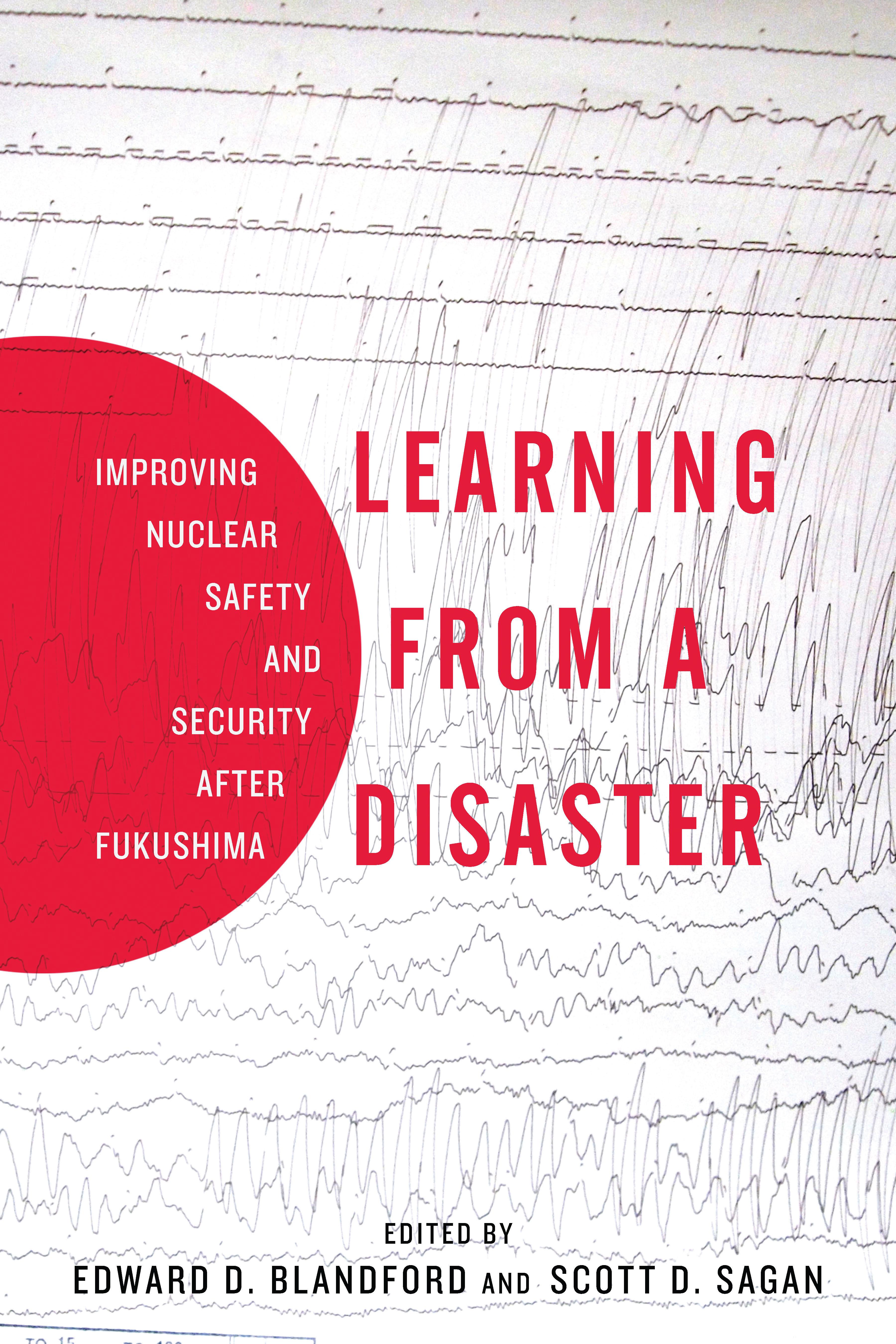
This book—the culmination of a truly collaborative international and highly interdisciplinary effort—brings together Japanese and American political scientists, nuclear engineers, historians, and physicists to examine the Fukushima accident from a new and broad perspective.
It explains the complex interactions between nuclear safety risks (the causes and consequences of accidents) and nuclear security risks (the causes and consequences of sabotage or terrorist attacks), exposing the possible vulnerabilities all countries may have if they fail to learn from this accident.
The book further analyzes the lessons of Fukushima in comparative perspective, focusing on the politics of safety and emergency preparedness. It first compares the different policies and procedures adopted by various nuclear facilities in Japan and then discusses the lessons learned—and not learned—after major nuclear accidents and incidents in other countries in the past. The book's editors conclude that learning lessons across nations has proven to be very difficult, and they propose new policies to improve global learning after nuclear accidents or attacks.
Betal nemt med kort, Klarna, Apple Pay eller Google Pay. Ikke tilfreds? Du har altid 14 dages fortrydelsesret. Læs mere i vores vilkår. Har du spørgsmål, så send os en mail på hello@memmo.org.
Memmo gør det nemmere at studere – uanset hvor du er i verden. Hos os samler du dine kursusbøger og smarte studieværktøjer ét sted: resuméer, quizzer, podcasts og flashcards. Og så er der Ted, din studieven, der svarer på alt, du undrer dig over. Over 50 000 studerende studerer allerede her – bygget til at hjælpe dig med at lære hurtigere og stresse mindre.