
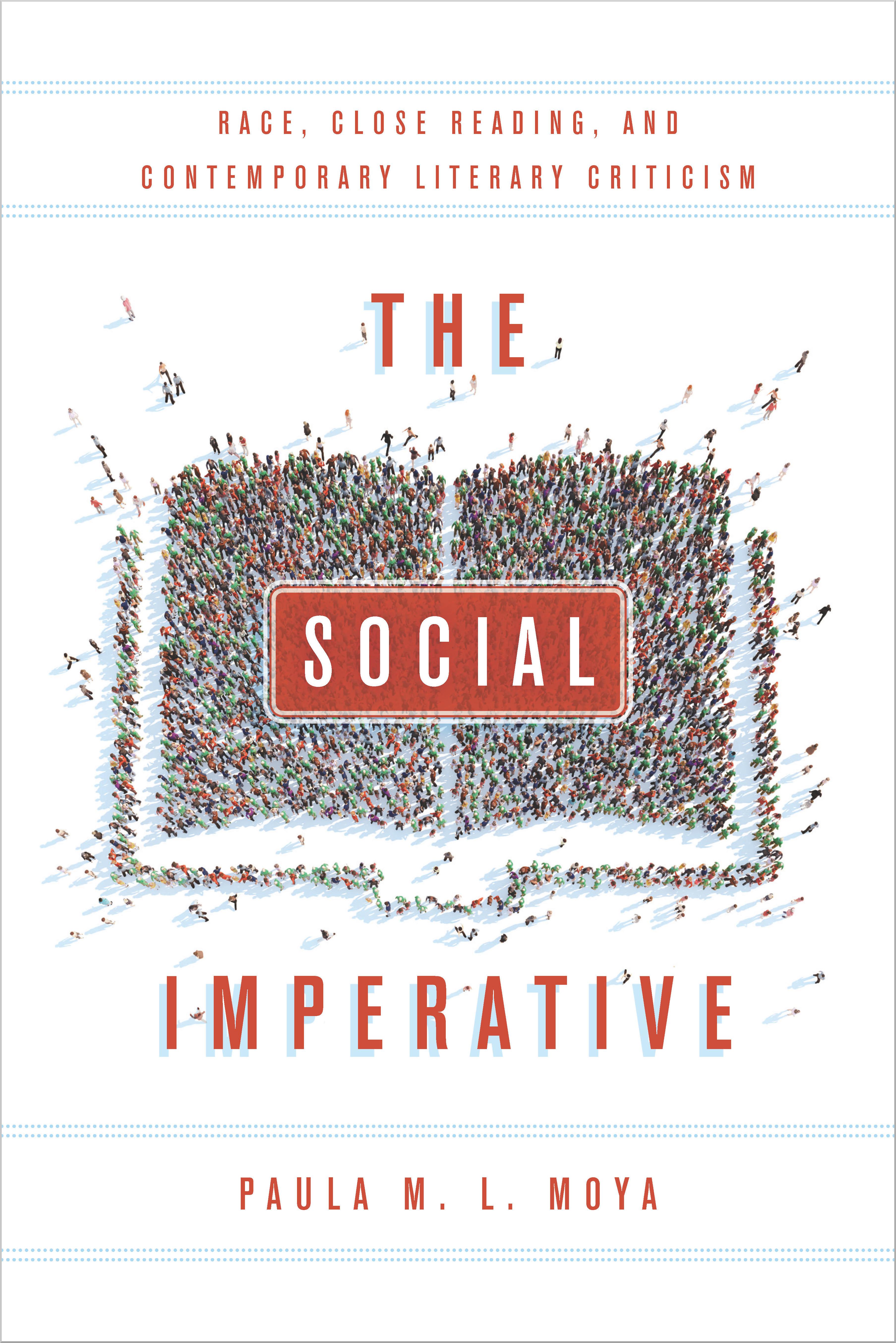
In the context of the ongoing crisis in literary criticism, The Social Imperative reminds us that while literature will never by itself change the world, it remains a powerful tool and important actor in the ongoing struggle to imagine better ways to be human and free. Figuring the relationship between reader and text as a type of friendship, the book elaborates the social-psychological concept of schema to show that our multiple social contexts affect what we perceive and how we feel when we read. Championing and modeling a kind of close reading that attends to how literature reflects, promotes, and contests pervasive sociocultural ideas about race, ethnicity, gender, and sexuality, Paula M. L. Moya demonstrates the power of works of literature by writers such as Junot Diaz, Toni Morrison, and Helena Maria Viramontes to alter perceptions and reshape cultural imaginaries. Insofar as literary fiction is a unique form of engagement with weighty social problems, it matters not only which specific works of literature we read and teach, but also how we read them, and with whom. This is what constitutes the social imperative of literature.
Betal nemt med kort, Klarna, Apple Pay eller Google Pay. Ikke tilfreds? Du har altid 14 dages fortrydelsesret. Læs mere i vores vilkår. Har du spørgsmål, så send os en mail på hello@memmo.org.
Memmo gør det nemmere at studere – uanset hvor du er i verden. Hos os samler du dine kursusbøger og smarte studieværktøjer ét sted: resuméer, quizzer, podcasts og flashcards. Og så er der Ted, din studieven, der svarer på alt, du undrer dig over. Over 50 000 studerende studerer allerede her – bygget til at hjælpe dig med at lære hurtigere og stresse mindre.