
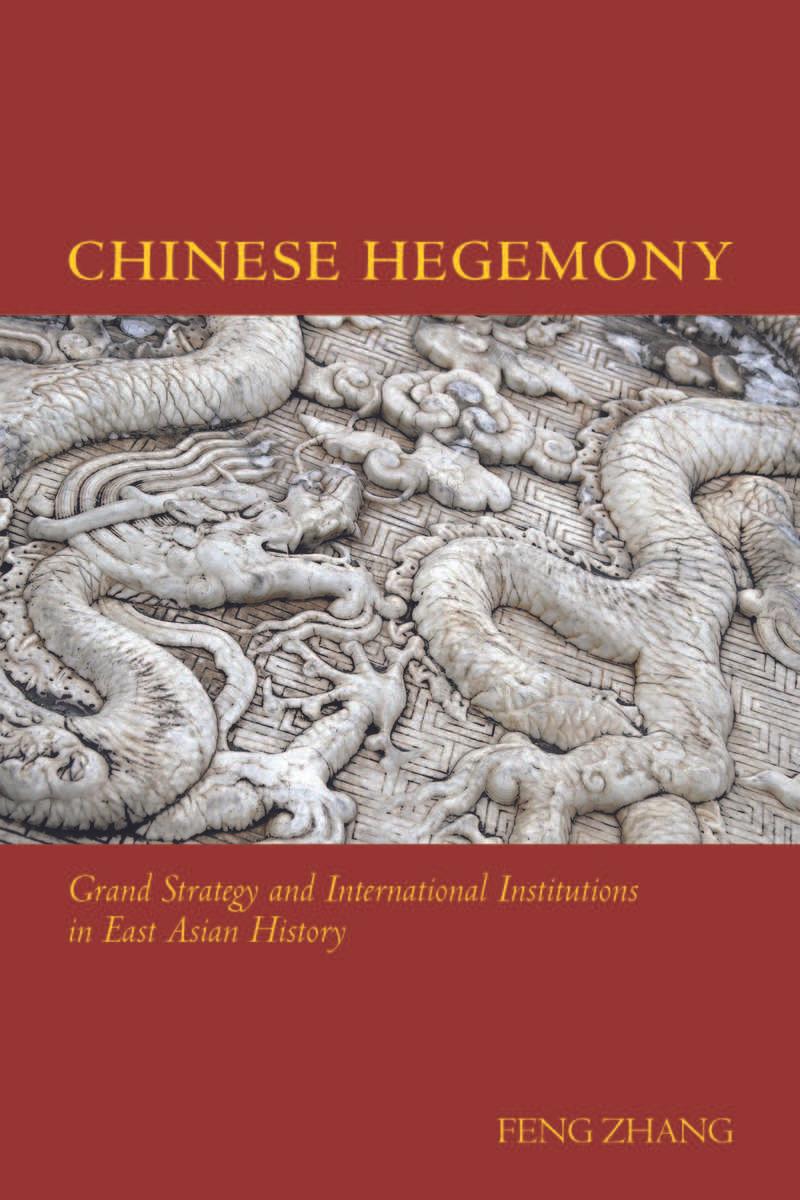
Chinese Hegemony: Grand Strategy and International Institutions in East Asian History joins a rapidly growing body of important literature that combines history and International Relations theory to create new perspectives on East Asian political and strategic behavior. The book explores the strategic and institutional dynamics of international relations in East Asian history when imperial China was the undisputed regional hegemon, focusing in depth on two central aspects of Chinese hegemony at the time: the grand strategies China and its neighbors adopted in their strategic interactions, and the international institutions they engaged in to maintain regional order—including but not limited to the tribute system.
Feng Zhang draws on both Chinese and Western intellectual traditions to develop a relational theory of grand strategy and fundamental institutions in regional relations. The theory is evaluated with three case studies of Sino-Korean, Sino-Japanese, and Sino-Mongol relations during China's early Ming dynasty—when a type of Confucian expressive strategy was an essential feature of regional relations. He then explores the policy implications of this relational model for understanding and analyzing contemporary China's rise and the changing East Asian order. The book suggests some historical lessons for understanding contemporary Chinese foreign policy and considers the possibility of a more relational and cooperative Chinese strategy in the future.
Betal nemt med kort, Klarna, Apple Pay eller Google Pay. Ikke tilfreds? Du har altid 14 dages fortrydelsesret. Læs mere i vores vilkår. Har du spørgsmål, så send os en mail på hello@memmo.org.
Memmo gør det nemmere at studere – uanset hvor du er i verden. Hos os samler du dine kursusbøger og smarte studieværktøjer ét sted: resuméer, quizzer, podcasts og flashcards. Og så er der Ted, din studieven, der svarer på alt, du undrer dig over. Over 50 000 studerende studerer allerede her – bygget til at hjælpe dig med at lære hurtigere og stresse mindre.