
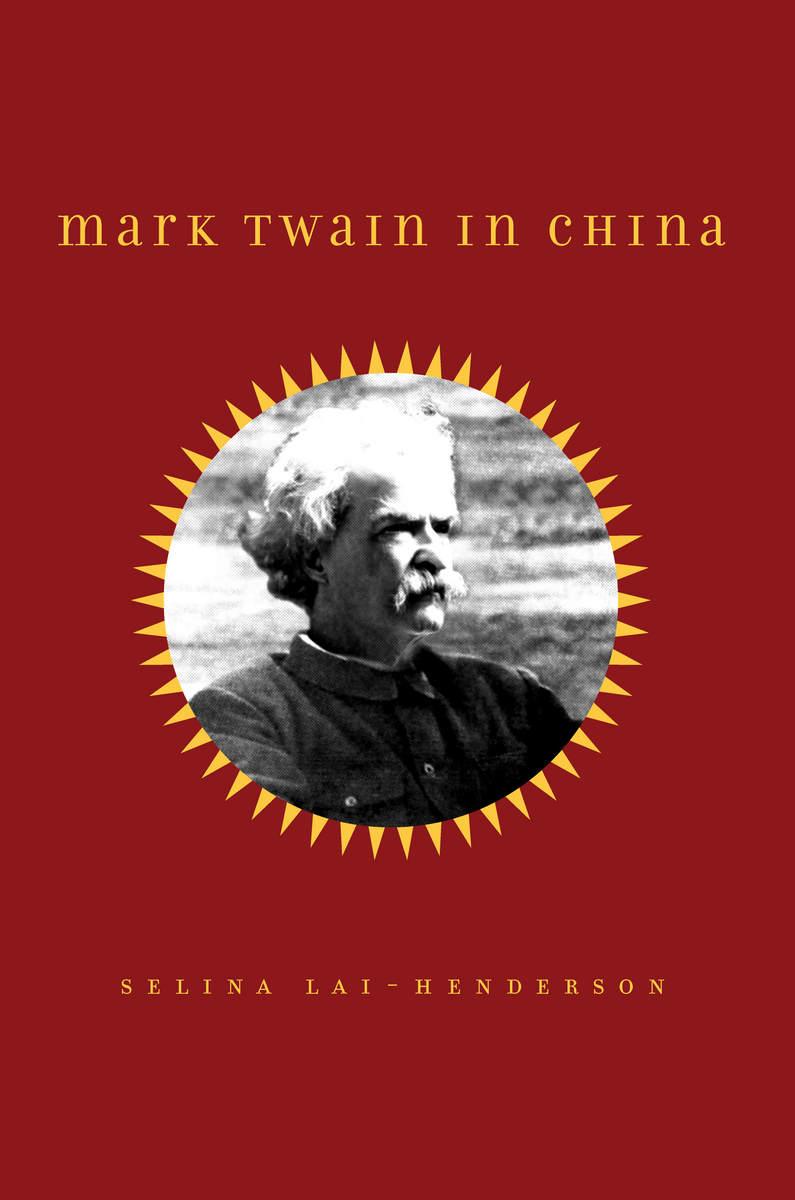
Mark Twain (Samuel Langhorne Clemens, 1835–1910) has had an intriguing relationship with China that is not as widely known as it should be. Although he never visited the country, he played a significant role in speaking for the Chinese people both at home and abroad. After his death, his Chinese adventures did not come to an end, for his body of works continued to travel through China in translation throughout the twentieth century. Were Twain alive today, he would be elated to know that he is widely studied and admired there, and that Adventures of Huckleberry Finn alone has gone through no less than ninety different Chinese translations, traversing China, Taiwan, and Hong Kong. Looking at Twain in various Chinese contexts—his response to events involving the American Chinese community and to the Chinese across the Pacific, his posthumous journey through translation, and China's reception of the author and his work, Mark Twain in China points to the repercussions of Twain in a global theater. It highlights the cultural specificity of concepts such as "race," "nation," and "empire," and helps us rethink their alternative legacies in countries with dramatically different racial and cultural dynamics from the United States.
Betal nemt med kort, Klarna, Apple Pay eller Google Pay. Ikke tilfreds? Du har altid 14 dages fortrydelsesret. Læs mere i vores vilkår. Har du spørgsmål, så send os en mail på hello@memmo.org.
Memmo gør det nemmere at studere – uanset hvor du er i verden. Hos os samler du dine kursusbøger og smarte studieværktøjer ét sted: resuméer, quizzer, podcasts og flashcards. Og så er der Ted, din studieven, der svarer på alt, du undrer dig over. Over 50 000 studerende studerer allerede her – bygget til at hjælpe dig med at lære hurtigere og stresse mindre.