
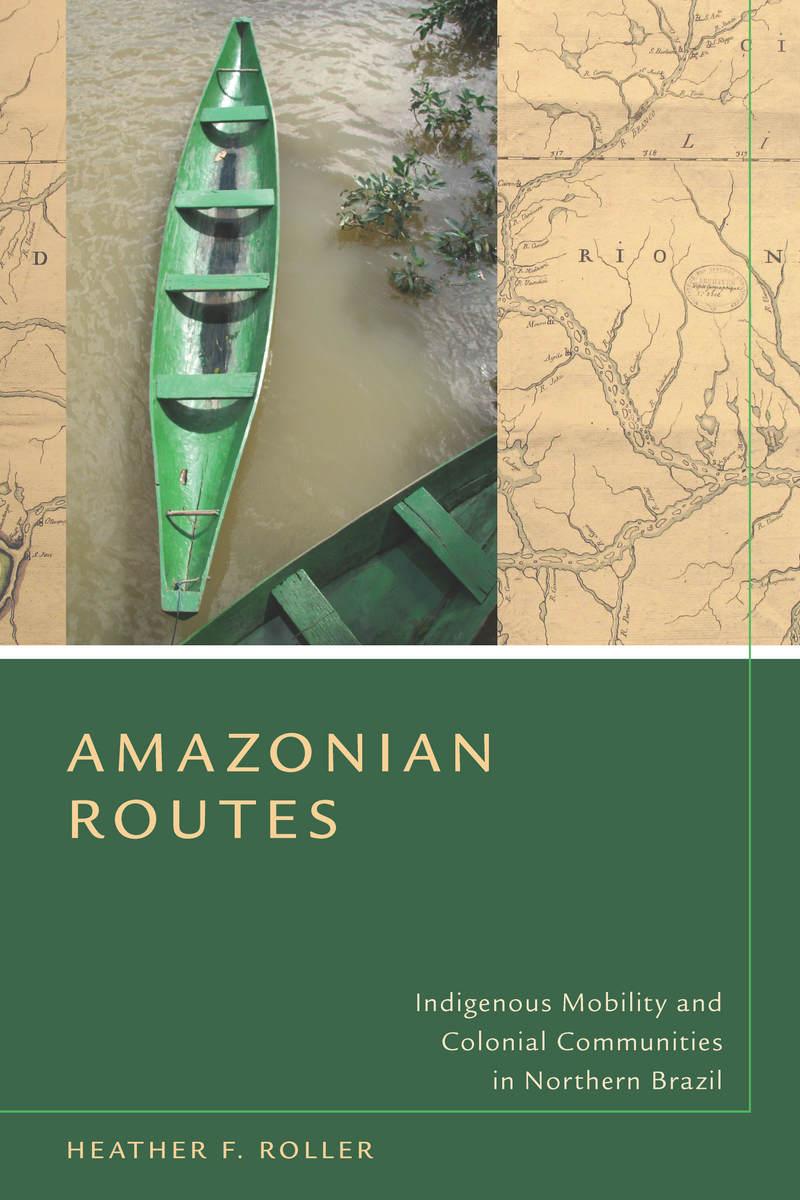
This book reconstructs the world of eighteenth-century Amazonia to argue that indigenous mobility did not undermine settlement or community. In doing so, it revises longstanding views of native Amazonians as perpetual wanderers, lacking attachment to place and likely to flee at the slightest provocation. Instead, native Amazonians used traditional as well as new, colonial forms of spatial mobility to build enduring communities under the constraints of Portuguese colonialism. Canoeing and trekking through the interior to collect forest products or to contact independent native groups, Indians expanded their social networks, found economic opportunities, and brought new people and resources back to the colonial villages. When they were not participating in these state-sponsored expeditions, many Indians migrated between colonial settlements, seeking to be incorporated as productive members of their chosen communities.
Drawing on largely untapped village-level sources, the book shows that mobile people remained attached to their home communities and committed to the preservation of their lands and assets. This argument still matters today, and not just to scholars, as rural communities in the Brazilian Amazon find themselves threatened by powerful outsiders who argue that their mobility invalidates their claims to territory.
Betal nemt med kort, Klarna, Apple Pay eller Google Pay. Ikke tilfreds? Du har altid 14 dages fortrydelsesret. Læs mere i vores vilkår. Har du spørgsmål, så send os en mail på hello@memmo.org.
Memmo gør det nemmere at studere – uanset hvor du er i verden. Hos os samler du dine kursusbøger og smarte studieværktøjer ét sted: resuméer, quizzer, podcasts og flashcards. Og så er der Ted, din studieven, der svarer på alt, du undrer dig over. Over 50 000 studerende studerer allerede her – bygget til at hjælpe dig med at lære hurtigere og stresse mindre.