
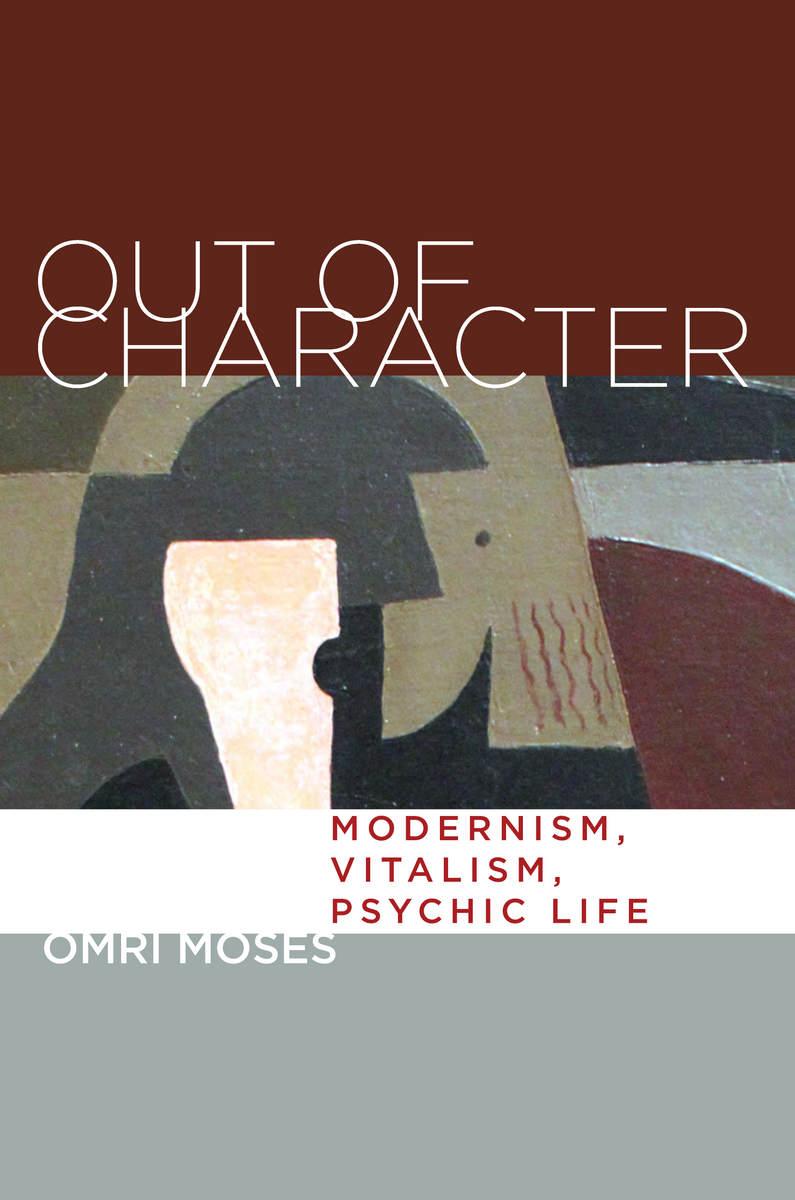
"Characters" are those fictive beings in novels whose coherent patterns of behavior make them credible as people. "Character" is also used to refer to the capacity—or incapacity—of individuals to sustain core principles. When characters are inconsistent, they risk coming across as dangerous or immoral, not to mention unconvincing. But what is behind our culture's esteem for unwavering consistency? Out of Character examines literary characters who defy our culture's models of personal integrity. It argues that modernist writers Henry James, Gertrude Stein, and T. S. Eliot drew inspiration from vitalism as a way of reinventing the means of depicting people in fiction and poetry. Rather than regarding a rigid character as something that inoculates us against the shifting tides of circumstance, these writers insist on the ethical necessity of forming improvisational, dynamic social relationships. Charting the literary impact of William James, Charles Darwin, Friedrich Nietzsche, and, in particular, Henri Bergson, this book contends that vitalist understandings of psychology, affect, and perception led to new situational and relational definitions of selfhood. As Moses demonstrates, the modernists stirred by these vital life lessons give us a sense of what psychic life looks like at its most intricate, complex, and unpredictable.
Betal nemt med kort, Klarna, Apple Pay eller Google Pay. Ikke tilfreds? Du har altid 14 dages fortrydelsesret. Læs mere i vores vilkår. Har du spørgsmål, så send os en mail på hello@memmo.org.
Memmo gør det nemmere at studere – uanset hvor du er i verden. Hos os samler du dine kursusbøger og smarte studieværktøjer ét sted: resuméer, quizzer, podcasts og flashcards. Og så er der Ted, din studieven, der svarer på alt, du undrer dig over. Over 50 000 studerende studerer allerede her – bygget til at hjælpe dig med at lære hurtigere og stresse mindre.