
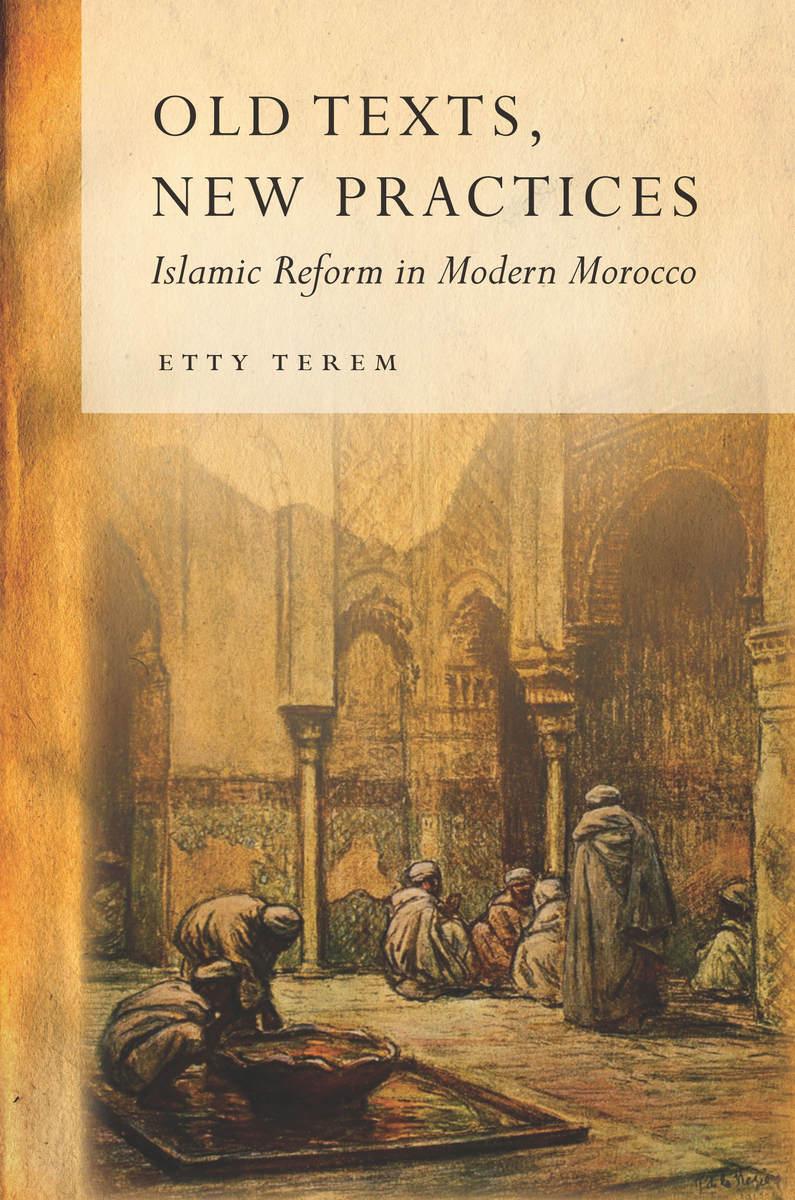
In 1910, al-Mahdi al-Wazzani, a prominent Moroccan Islamic scholar completed his massive compilation of Maliki fatwas. An eleven-volume set, it is the most extensive collection of fatwas written and published in the Arab Middle East during the late nineteenth and early twentieth centuries. Al-Wazzani's legal opinions addressed practical concerns and questions: What are the ethical and legal duties of Muslims residing under European rule? Is emigration from non-Muslim territory an absolute duty? Is it ethical for Muslim merchants to travel to Europe? Is it legal to consume European-manufactured goods? It was his expectation that these fatwas would help the Muslim community navigate the modern world.
In considering al-Wazzani's work, this book explores the creative process of transforming Islamic law to guarantee the survival of a Muslim community in a changing world. It is the first study to treat Islamic revival and reform from discourses informed by the sociolegal concerns that shaped the daily lives of ordinary people. Etty Terem challenges conventional scholarship that presents Islamic tradition as inimical to modernity and, in so doing, provides a new framework for conceptualizing modern Islamic reform. Her innovative and insightful reorientation constructs the origins of modern Islam as firmly rooted in the messy complexity of everyday life.
Betal nemt med kort, Klarna, Apple Pay eller Google Pay. Ikke tilfreds? Du har altid 14 dages fortrydelsesret. Læs mere i vores vilkår. Har du spørgsmål, så send os en mail på hello@memmo.org.
Memmo gør det nemmere at studere – uanset hvor du er i verden. Hos os samler du dine kursusbøger og smarte studieværktøjer ét sted: resuméer, quizzer, podcasts og flashcards. Og så er der Ted, din studieven, der svarer på alt, du undrer dig over. Over 50 000 studerende studerer allerede her – bygget til at hjælpe dig med at lære hurtigere og stresse mindre.