
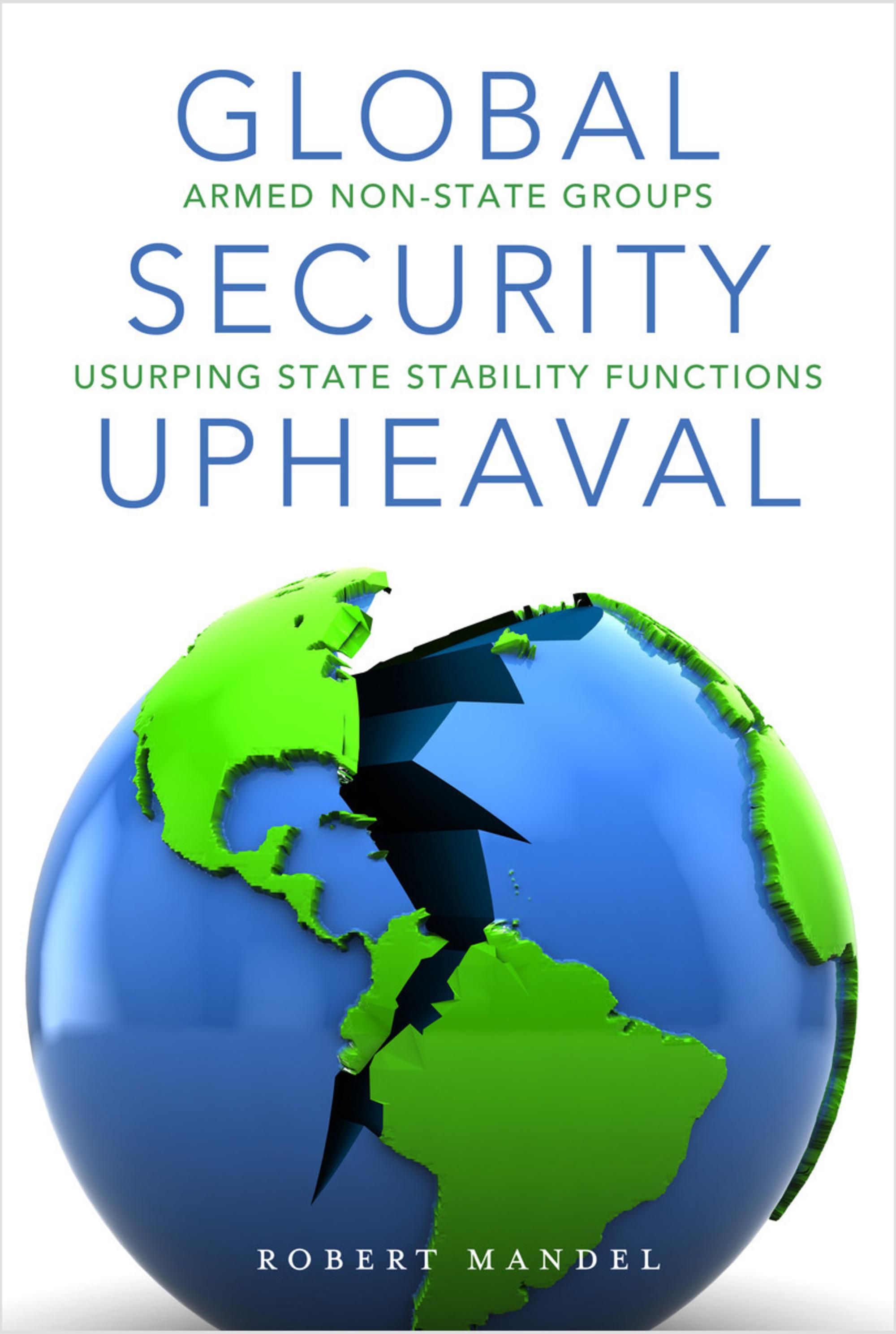
This book calls into question the commonly held contentions that central governments are the most important or even the sole sources of a nation's stability, and that subnational and transnational nonstate forces are a major source of global instability.
By assessing recent real-world trends, Mandel reveals that areas exist where it makes little sense to rely on state governments for stability, and that attempts to bolster such governments to promote stability often prove futile. He demonstrates how armed nonstate groups can sometimes provide local stability better than states, and how power-sharing arrangements between states and armed nonstate groups may sometimes be viable. He concludes that these trends in the international setting call for major shifts in our understanding of what constitutes stable governance—proposing that we adopt a fluid "emergent actor" approach. And he calls for significant deviation from standard policy responses to the opportunities and dangers posed by nontraditional sources of national authority.
Betal nemt med kort, Klarna, Apple Pay eller Google Pay. Ikke tilfreds? Du har altid 14 dages fortrydelsesret. Læs mere i vores vilkår. Har du spørgsmål, så send os en mail på hello@memmo.org.
Memmo gør det nemmere at studere – uanset hvor du er i verden. Hos os samler du dine kursusbøger og smarte studieværktøjer ét sted: resuméer, quizzer, podcasts og flashcards. Og så er der Ted, din studieven, der svarer på alt, du undrer dig over. Over 50 000 studerende studerer allerede her – bygget til at hjælpe dig med at lære hurtigere og stresse mindre.