
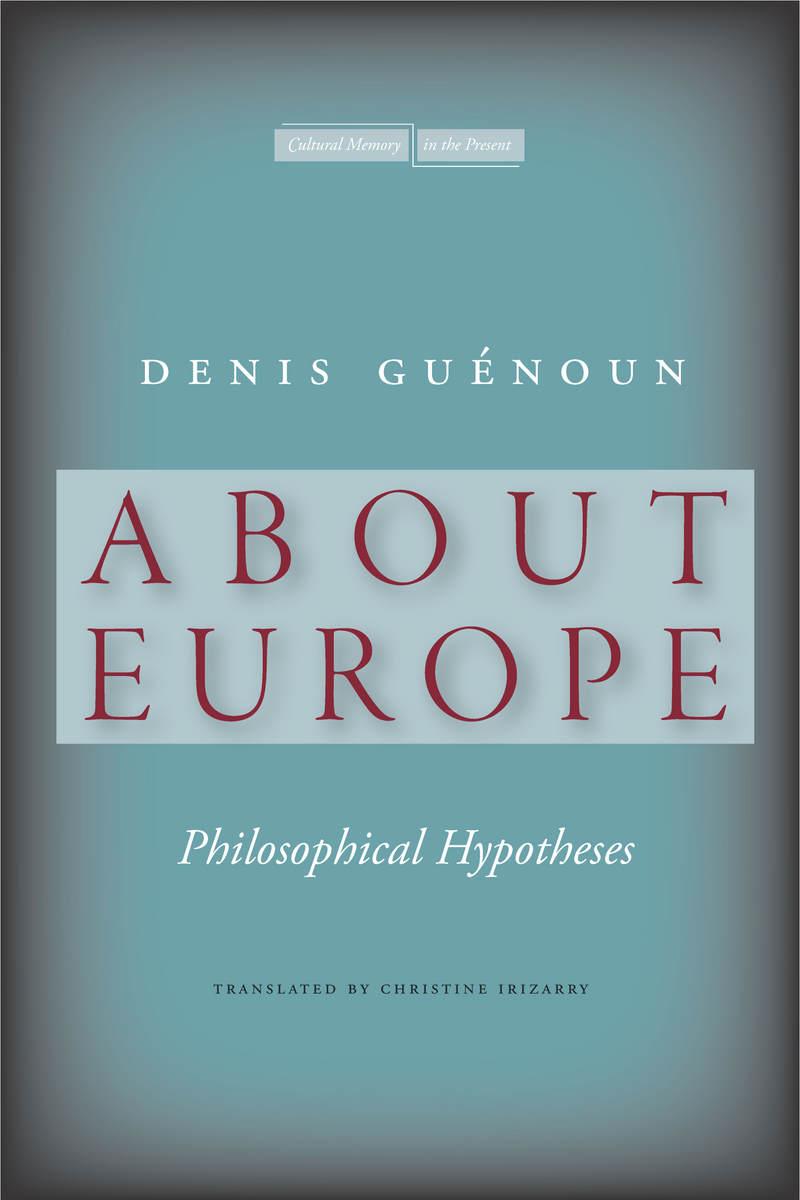
The concept of the universal was born in the lands we now call Europe, yet it is precisely the universal that is Europe's undoing. All European politics is caught in a tension: to assert a European identity is to be open to multiplicity, but this very openness could dissolve Europe as such. This book reflects on Europe and its changing boundaries over the span of twenty centuries. A work of philosophy, it consistently draws on concrete events. From ancient Greece and Rome, to Christianity, to the Reformation, to the national revolutions of the twentieth century, what we today call "Europe" has been a succession of projects in the name of ecclesia or community. Empire, Church, and EU: all have been constructed in contrast to an Oriental "other." The stakes of Europe, then, are as much metaphysical as political. Redefining a series of key concepts such as world, place, transportation, and the common, this book sheds light on Europe as process by engaging with the most significant philosophical debates on the subject, including the work of Marx, Husserl, Heidegger, Patočka, and Nancy.
Betal nemt med kort, Klarna, Apple Pay eller Google Pay. Ikke tilfreds? Du har altid 14 dages fortrydelsesret. Læs mere i vores vilkår. Har du spørgsmål, så send os en mail på hello@memmo.org.
Memmo gør det nemmere at studere – uanset hvor du er i verden. Hos os samler du dine kursusbøger og smarte studieværktøjer ét sted: resuméer, quizzer, podcasts og flashcards. Og så er der Ted, din studieven, der svarer på alt, du undrer dig over. Over 50 000 studerende studerer allerede her – bygget til at hjælpe dig med at lære hurtigere og stresse mindre.