
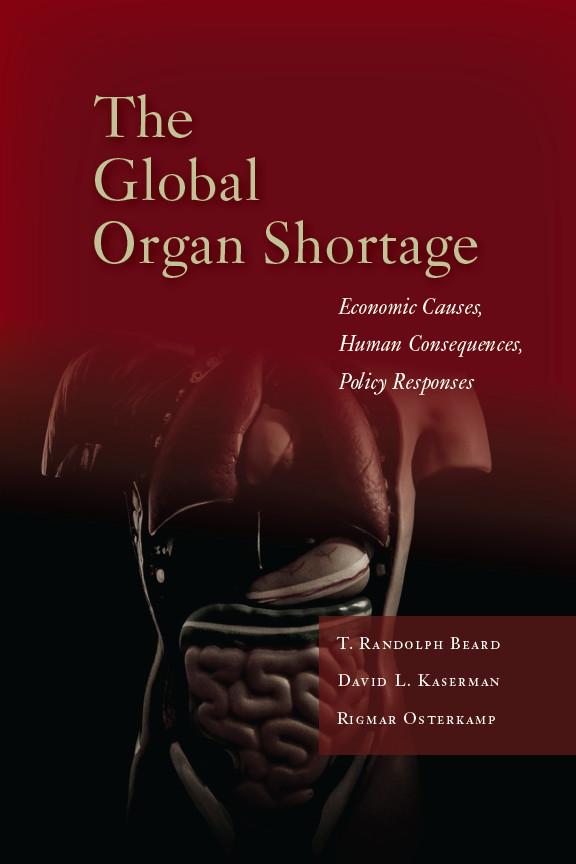
Although organ transplants provide the best, and often the only, effective therapy for many otherwise fatal conditions, the great benefits of transplantation go largely unrealized because of failures in the organ acquisition process. In the United States, for instance, more than 10,000 people die every year either awaiting transplantation, or as a result of deteriorating health exacerbated by the shortage of organs.
Issues pertaining to organ donation and transplantation represent, perhaps, the most complex and morally controversial medical dilemmas aside from abortion and euthanasia. However, these quandaries are not unsolvable. This book proposes compensating organ donors within a publicly controlled monopsony. This proposal is quite similar to current practice in Spain, where compensation for cadaveric donation now occurs "in secret," as this text reveals.
To build their recommendations, the authors provide a medical history of transplantation, a history of the development of national laws and waiting lists, a careful examination of the social costs and benefits of transplantation, a discussion of the causes of organ shortages, an evaluation of "partial" reforms tried or proposed, an extensive ethical evaluation of the current system and its competitors.
Betal nemt med kort, Klarna, Apple Pay eller Google Pay. Ikke tilfreds? Du har altid 14 dages fortrydelsesret. Læs mere i vores vilkår. Har du spørgsmål, så send os en mail på hello@memmo.org.
Memmo gør det nemmere at studere – uanset hvor du er i verden. Hos os samler du dine kursusbøger og smarte studieværktøjer ét sted: resuméer, quizzer, podcasts og flashcards. Og så er der Ted, din studieven, der svarer på alt, du undrer dig over. Over 50 000 studerende studerer allerede her – bygget til at hjælpe dig med at lære hurtigere og stresse mindre.