
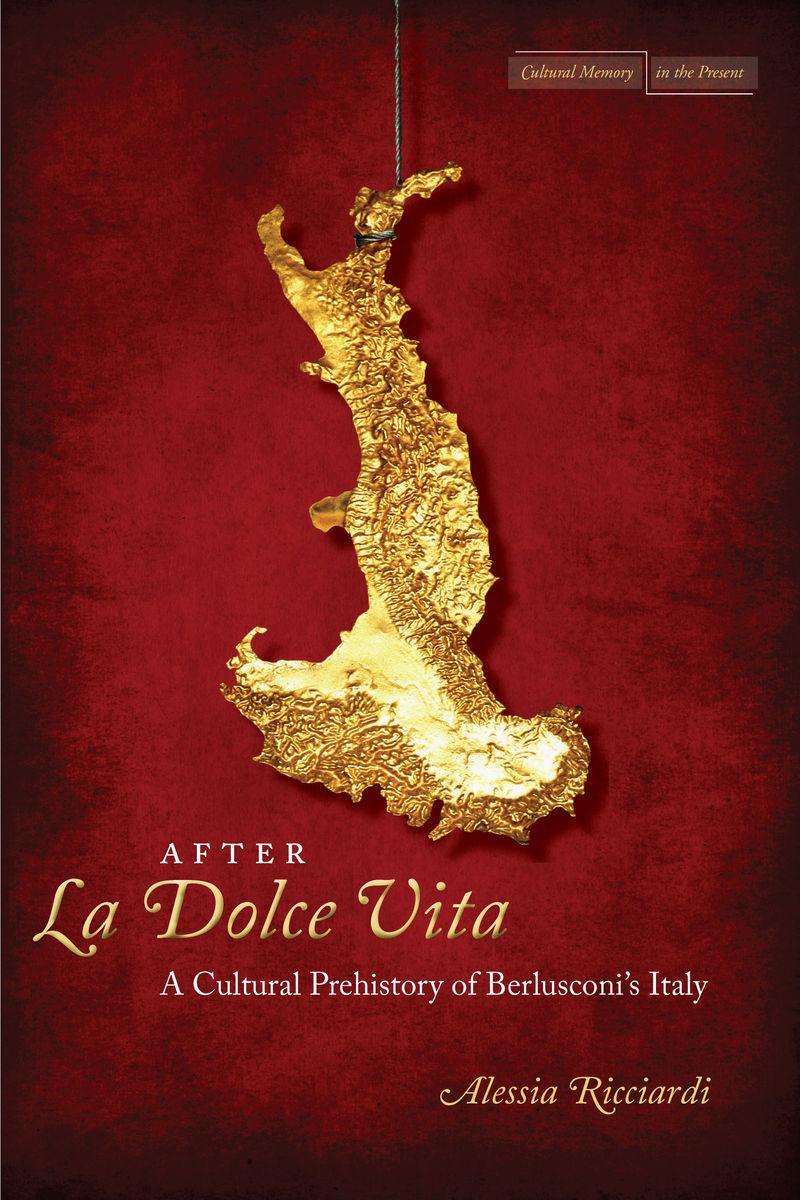
This book chronicles the demise of the supposedly leftist Italian cultural establishment during the long 1980s. During that time, the nation's literary and intellectual vanguard managed to lose the prominence handed it after the end of World War II and the defeat of Fascism. What emerged instead was a uniquely Italian brand of cultural capital that deliberately avoided any critical questioning of the prevailing order. Ricciardi criticizes the development of this new hegemonic arrangement in film, literature, philosophy, and art criticism. She focuses on several turning points: Fellini's futile, late-career critique of Berlusconi-style commercial television, Calvino's late turn to reactionary belletrism, Vattimo's nihilist and conservative responses to French poststructuralism, and Bonito Oliva's movement of art commodification, Transavanguardia.
Betal nemt med kort, Klarna, Apple Pay eller Google Pay. Ikke tilfreds? Du har altid 14 dages fortrydelsesret. Læs mere i vores vilkår. Har du spørgsmål, så send os en mail på hello@memmo.org.
Memmo gør det nemmere at studere – uanset hvor du er i verden. Hos os samler du dine kursusbøger og smarte studieværktøjer ét sted: resuméer, quizzer, podcasts og flashcards. Og så er der Ted, din studieven, der svarer på alt, du undrer dig over. Over 50 000 studerende studerer allerede her – bygget til at hjælpe dig med at lære hurtigere og stresse mindre.