
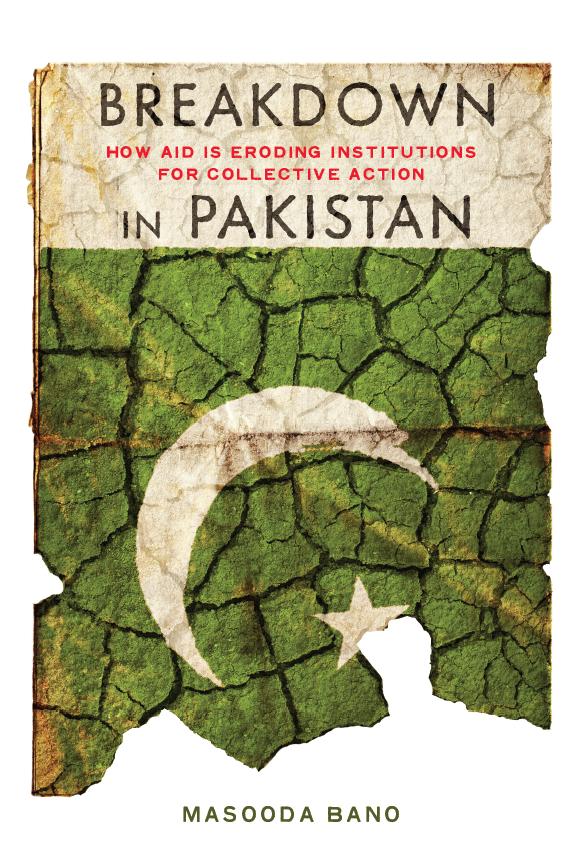
Thirty percent of foreign development aid is channeled through NGOs or community-based organizations to improve service delivery to the poor, build social capital, and establish democracy in developing nations. However, growing evidence suggests that aid often erodes, rather than promotes, cooperation within developing nations. This book presents a rare, micro level account of the complex decision-making processes that bring individuals together to form collective-action platforms. It then examines why aid often breaks down the very institutions for collective action that it aims to promote.
Breakdown in Pakistan identifies concrete measures to check the erosion of cooperation in foreign aid scenarios. Pakistan is one of the largest recipients of international development aid, and therefore the empirical details presented are particularly relevant for policy. The book's argument is equally applicable to a number of other developing countries, and has important implications for recent discussions within the field of economics.
Betal nemt med kort, Klarna, Apple Pay eller Google Pay. Ikke tilfreds? Du har altid 14 dages fortrydelsesret. Læs mere i vores vilkår. Har du spørgsmål, så send os en mail på hello@memmo.org.
Memmo gør det nemmere at studere – uanset hvor du er i verden. Hos os samler du dine kursusbøger og smarte studieværktøjer ét sted: resuméer, quizzer, podcasts og flashcards. Og så er der Ted, din studieven, der svarer på alt, du undrer dig over. Over 50 000 studerende studerer allerede her – bygget til at hjælpe dig med at lære hurtigere og stresse mindre.