
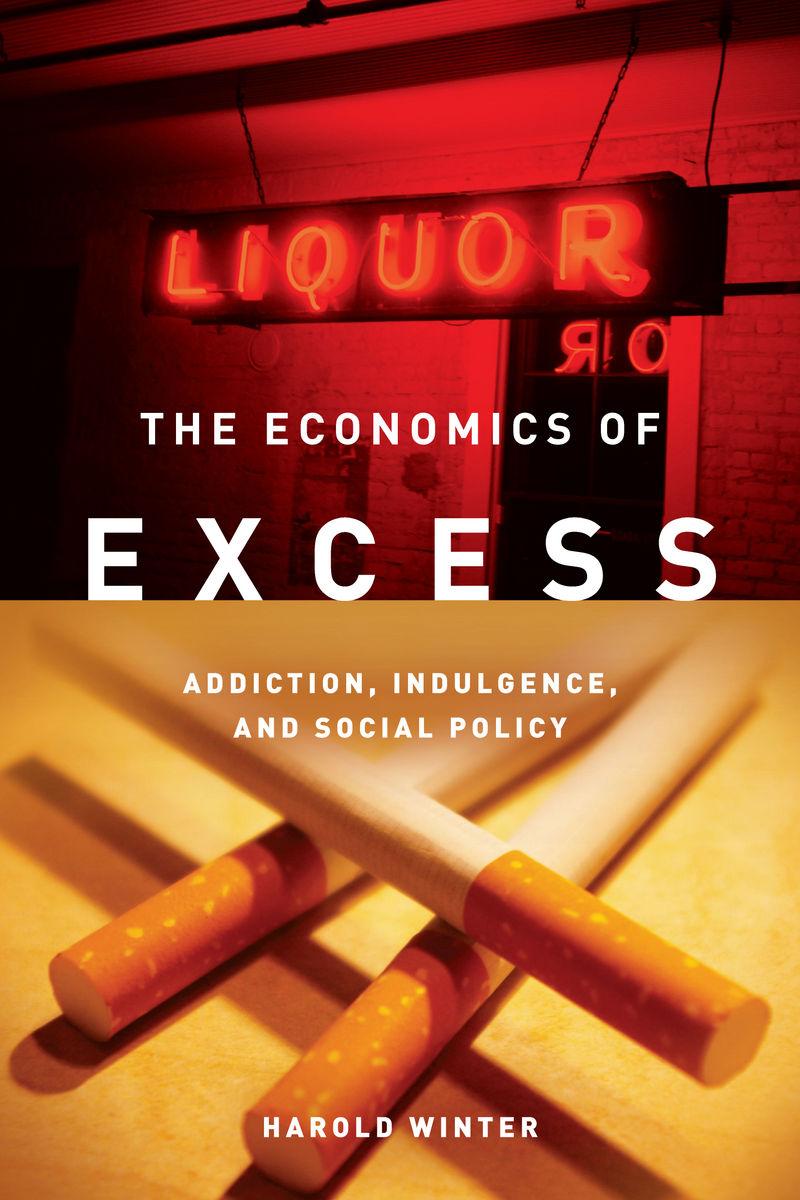
The Economics of Excess discusses both standard and behavioral economics as they apply to addiction, indulgence, and social policy.
Chapter One provides a thorough discussion of economic models of addiction. The model developed in most detail takes into account both standard and behavioral approaches. The next three chapters examine specific indulgences: smoking, drinking, and overeating. The heart of this book is its comprehensive discussion of what is often referred to as the "new paternalism." Many economists are now challenging the more traditional belief that, unless they are harming others, people should be left to their own indulgences. As more and more economists are arguing for policies that are designed to protect people from themselves, this book offers a serious, yet accessible, discussion of the pros and cons of such interventions.
Written in an approachable style, this book will serve researchers who are new to the economics of addiction and students in a variety of economics and policy courses alike.
Betal nemt med kort, Klarna, Apple Pay eller Google Pay. Ikke tilfreds? Du har altid 14 dages fortrydelsesret. Læs mere i vores vilkår. Har du spørgsmål, så send os en mail på hello@memmo.org.
Memmo gør det nemmere at studere – uanset hvor du er i verden. Hos os samler du dine kursusbøger og smarte studieværktøjer ét sted: resuméer, quizzer, podcasts og flashcards. Og så er der Ted, din studieven, der svarer på alt, du undrer dig over. Over 50 000 studerende studerer allerede her – bygget til at hjælpe dig med at lære hurtigere og stresse mindre.