
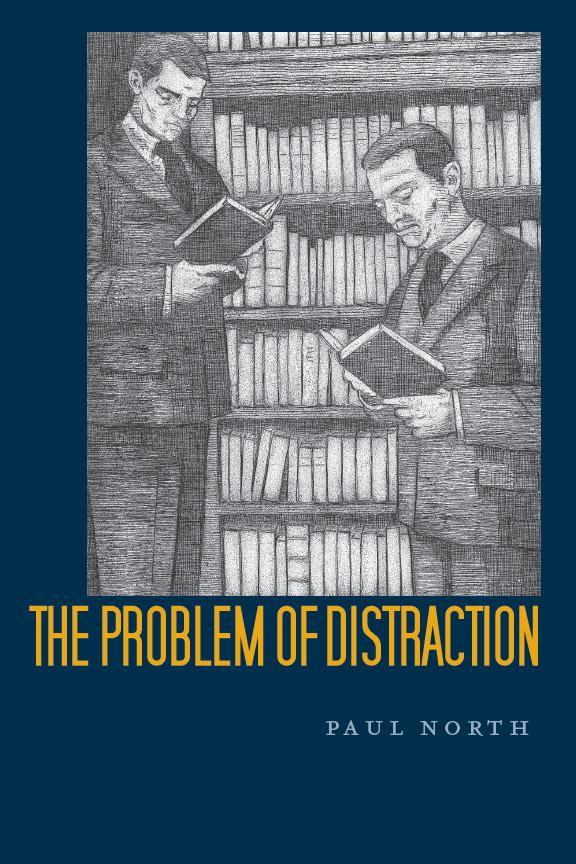
We live in an age of distraction. Contemporary analyses of culture, politics, techno-science, and psychology insist on this. They often suggest remedies for it, or ways to capitalize on it. Yet they almost never investigate the meaning and history of distraction itself. This book corrects this lack of attention. It inquires into the effects of distraction, defined not as the opposite of attention, but as truly discontinuous intellect. Human being has to be reconceived, according to this argument, not as quintessentially thought-bearing, but as subject to repeated, causeless blackouts of mind.
The Problem of Distraction presents the first genealogy of the concept from Aristotle to the largely forgotten, early twentieth-century efforts by Kafka, Heidegger, and Benjamin to revolutionize the humanities by means of distraction. Further, the book makes the case that our present troubles cannot be solved by recovering or enhancing attention. Not-always-thinking beings are beset by radical breaks in their experience, but in this way they are also receptive to what has not and cannot yet be called experience.
Betal nemt med kort, Klarna, Apple Pay eller Google Pay. Ikke tilfreds? Du har altid 14 dages fortrydelsesret. Læs mere i vores vilkår. Har du spørgsmål, så send os en mail på hello@memmo.org.
Memmo gør det nemmere at studere – uanset hvor du er i verden. Hos os samler du dine kursusbøger og smarte studieværktøjer ét sted: resuméer, quizzer, podcasts og flashcards. Og så er der Ted, din studieven, der svarer på alt, du undrer dig over. Over 50 000 studerende studerer allerede her – bygget til at hjælpe dig med at lære hurtigere og stresse mindre.