
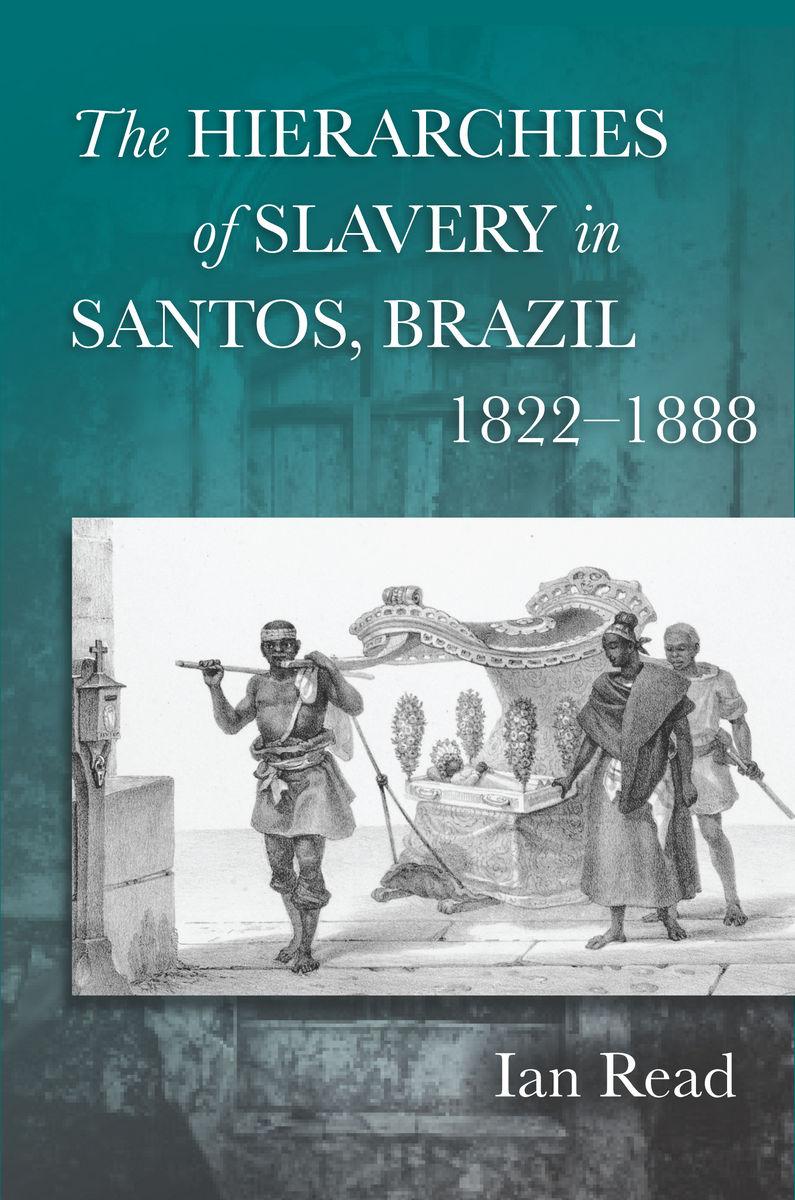
Despite the inherent brutality of slavery, some slaves could find small but important opportunities to act decisively. The Hierarchies of Slavery in Santos, Brazil, 1822–1888 explores such moments of opportunity and resistance in Santos, a Southeastern township in Imperial Brazil. It argues that slavery in Brazil was hierarchical: slaves' fleeting chances to form families, work jobs that would not kill or maim, avoid debilitating diseases, or find a (legal or illegal) pathway out of slavery were highly influenced by their demographic background and their owners' social position. By tracing the lives of slaves and owners through multiple records, the author is able to show that the cruelties that slaves faced were not equally shared. One important implication is that internal stratification likely helped perpetuate slavery because there was the belief, however illusionary, that escaping captivity was not necessary for social mobility.
Betal nemt med kort, Klarna, Apple Pay eller Google Pay. Ikke tilfreds? Du har altid 14 dages fortrydelsesret. Læs mere i vores vilkår. Har du spørgsmål, så send os en mail på hello@memmo.org.
Memmo gør det nemmere at studere – uanset hvor du er i verden. Hos os samler du dine kursusbøger og smarte studieværktøjer ét sted: resuméer, quizzer, podcasts og flashcards. Og så er der Ted, din studieven, der svarer på alt, du undrer dig over. Over 50 000 studerende studerer allerede her – bygget til at hjælpe dig med at lære hurtigere og stresse mindre.