
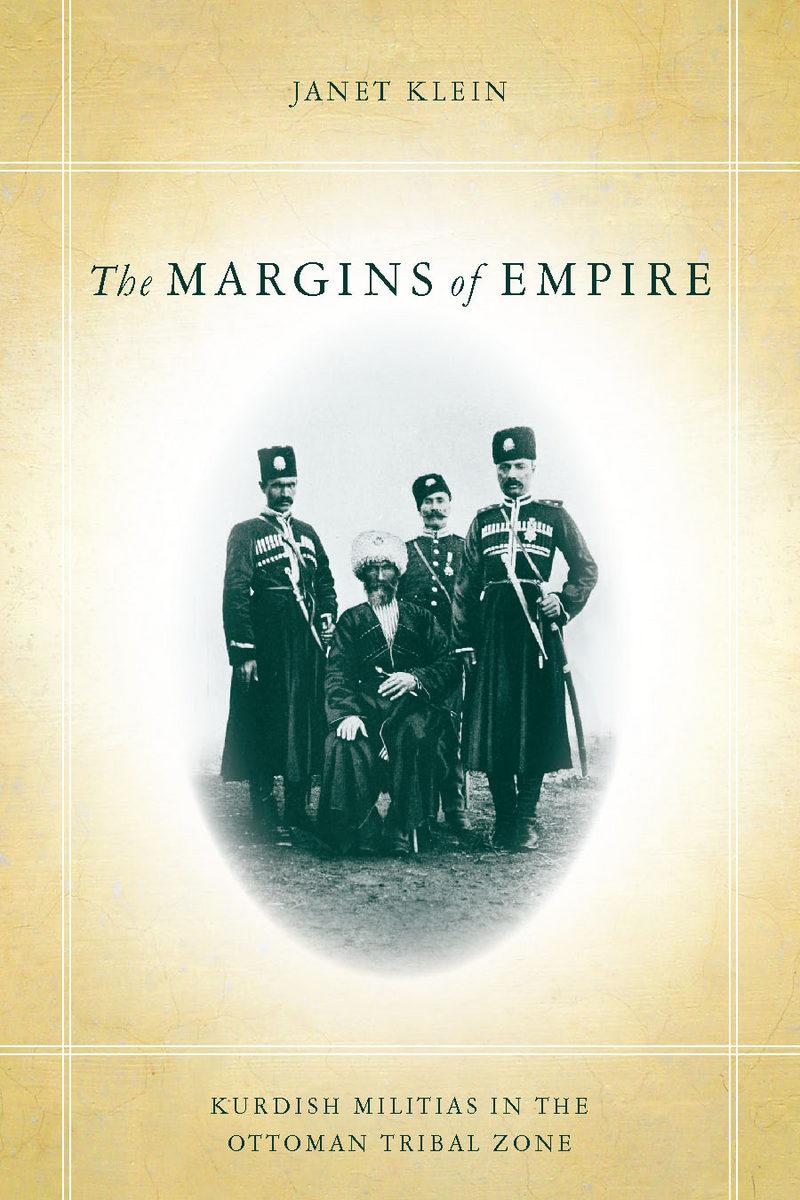
At the turn of the twentieth century, the Ottoman state identified multiple threats in its eastern regions. In an attempt to control remote Kurdish populations, Ottoman authorities organized them into a tribal militia and gave them the task of subduing a perceived Armenian threat. Following the story of this militia, Klein explores the contradictory logic of how states incorporate groups they ultimately aim to suppress and how groups who seek autonomy from the state often attempt to do so through state channels.
In the end, Armenian revolutionaries were not suppressed and Kurdish leaders, whose authority the state sought to diminish, were empowered. The tribal militia left a lasting impact on the region and on state-society and Kurdish-Turkish relations. Putting a human face on Ottoman-Kurdish histories while also addressing issues of state-building, local power dynamics, violence, and dispossession, this book engages vividly in the study of the paradoxes inherent in modern statecraft.
Betal nemt med kort, Klarna, Apple Pay eller Google Pay. Ikke tilfreds? Du har altid 14 dages fortrydelsesret. Læs mere i vores vilkår. Har du spørgsmål, så send os en mail på hello@memmo.org.
Memmo gør det nemmere at studere – uanset hvor du er i verden. Hos os samler du dine kursusbøger og smarte studieværktøjer ét sted: resuméer, quizzer, podcasts og flashcards. Og så er der Ted, din studieven, der svarer på alt, du undrer dig over. Over 50 000 studerende studerer allerede her – bygget til at hjælpe dig med at lære hurtigere og stresse mindre.