
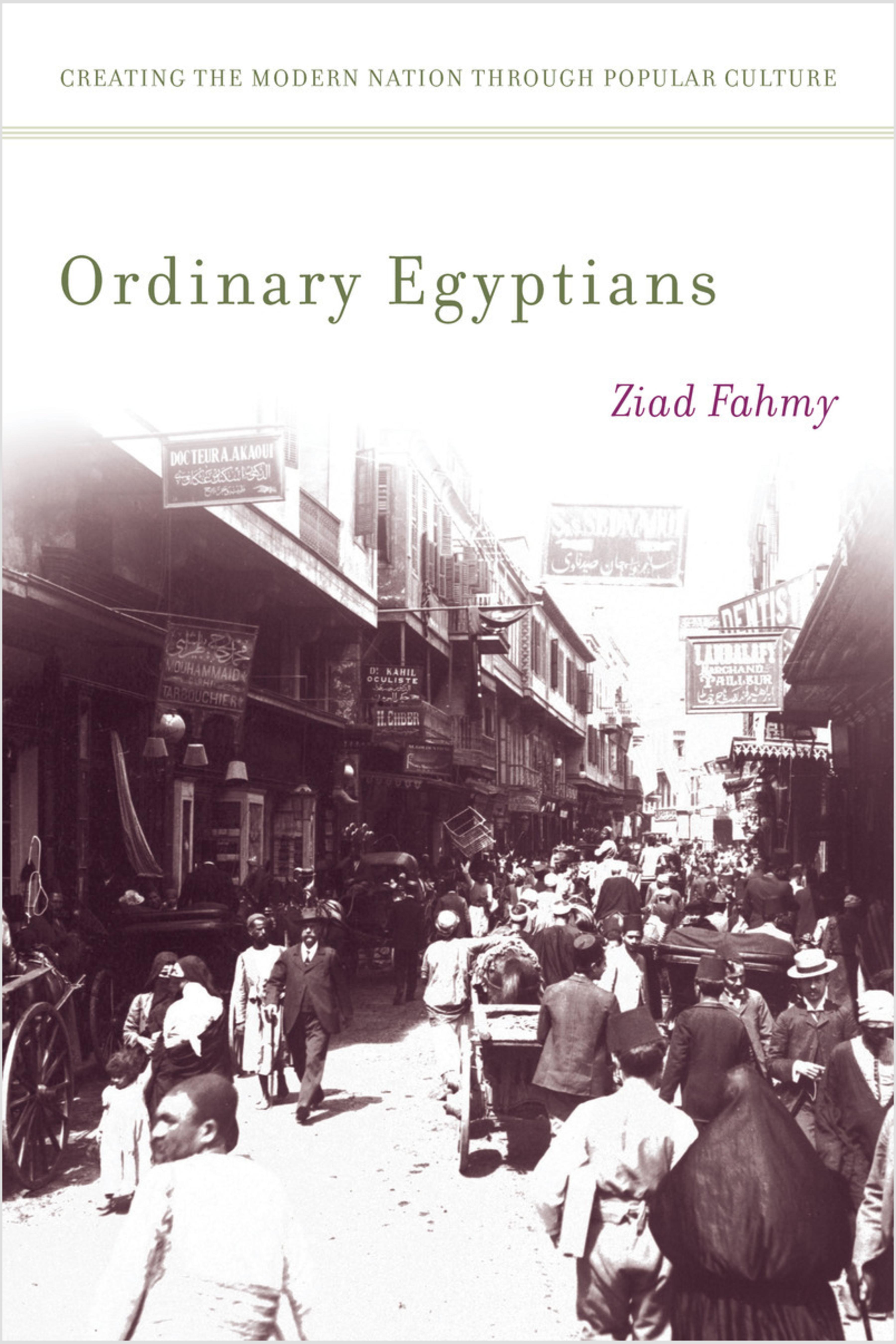
The popular culture of pre-revolution Egypt did more than entertain—it created a nation. Songs, jokes, and satire, comedic sketches, plays, and poetry, all provided an opportunity for discussion and debate about national identity and an outlet for resistance to British and elite authority. This book examines how, from the 1870s until the eve of the 1919 revolution, popular media and culture provided ordinary Egyptians with a framework to construct and negotiate a modern national identity.
Ordinary Egyptians shifts the typical focus of study away from the intellectual elite to understand the rapid politicization of the growing literate middle classes and brings the semi-literate and illiterate urban masses more fully into the historical narrative. It introduces the concept of "media-capitalism," which expands the analysis of nationalism beyond print alone to incorporate audiovisual and performance media. It was through these various media that a collective camaraderie crossing class lines was formed and, as this book uncovers, an Egyptian national identity emerged.
Betal nemt med kort, Klarna, Apple Pay eller Google Pay. Ikke tilfreds? Du har altid 14 dages fortrydelsesret. Læs mere i vores vilkår. Har du spørgsmål, så send os en mail på hello@memmo.org.
Memmo gør det nemmere at studere – uanset hvor du er i verden. Hos os samler du dine kursusbøger og smarte studieværktøjer ét sted: resuméer, quizzer, podcasts og flashcards. Og så er der Ted, din studieven, der svarer på alt, du undrer dig over. Over 50 000 studerende studerer allerede her – bygget til at hjælpe dig med at lære hurtigere og stresse mindre.