
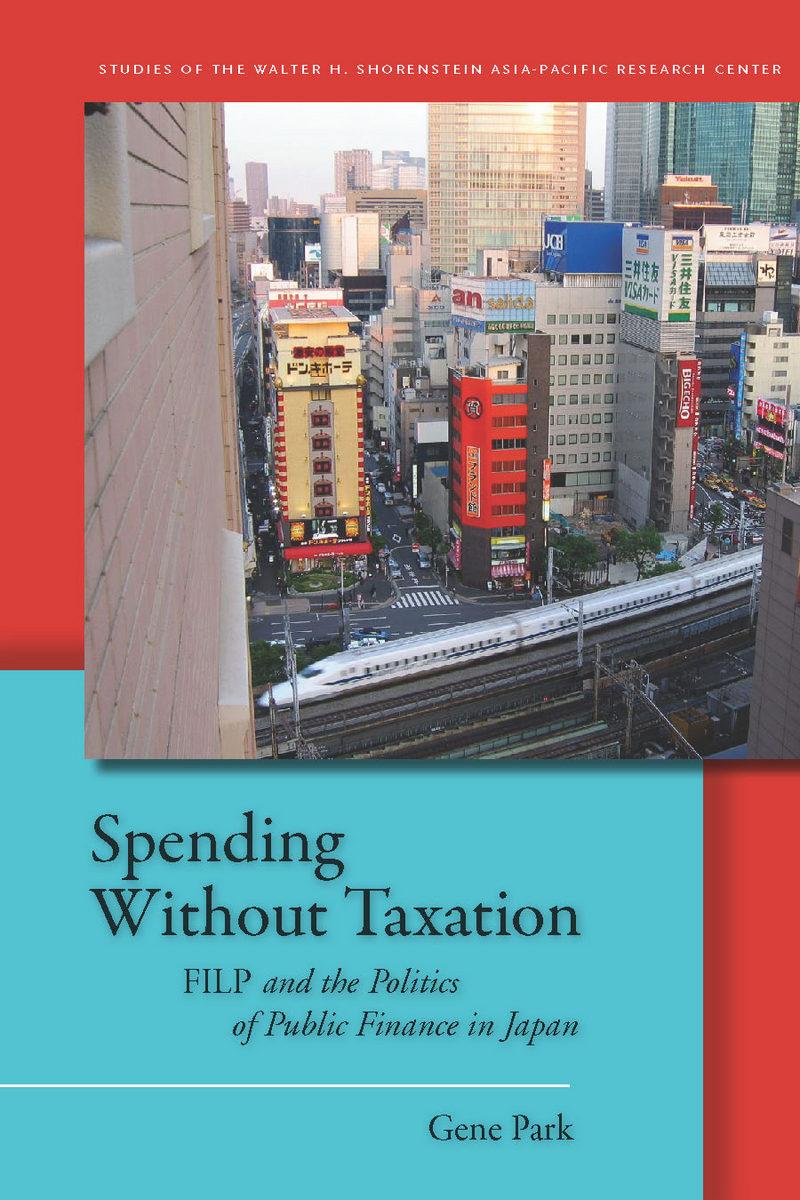
Governments confront difficult political choices when they must determine how to balance their spending. But what would happen if a government found a means of spending without taxation? In this book, Gene Park demonstrates how the Japanese government established and mobilized an enormous off-budget spending system, the Fiscal Investment Loan Program (FILP), which drew on postal savings, public pensions, and other funds to pay for its priorities and reduce demands on the budget.
Park's book argues that this system underwrote a distinctive postwar political bargain, one that eschewed the rise of the welfare state and Keynesianism, but that also came with long-term political and economic costs that continue to this day. By drawing attention to FILP, this study resolves key debates in Japanese politics and also makes a larger point about public finance, demonstrating that governments can finance their activities not only through taxes but also through financial mechanisms to allocate credit and investment. Such "policy finance" is an important but often overlooked form of public finance that can change the political calculus of government fiscal choices.
Betal nemt med kort, Klarna, Apple Pay eller Google Pay. Ikke tilfreds? Du har altid 14 dages fortrydelsesret. Læs mere i vores vilkår. Har du spørgsmål, så send os en mail på hello@memmo.org.
Memmo gør det nemmere at studere – uanset hvor du er i verden. Hos os samler du dine kursusbøger og smarte studieværktøjer ét sted: resuméer, quizzer, podcasts og flashcards. Og så er der Ted, din studieven, der svarer på alt, du undrer dig over. Over 50 000 studerende studerer allerede her – bygget til at hjælpe dig med at lære hurtigere og stresse mindre.